The story of Big Pokey is one that highlights a recurring pattern in music history. Artists who define a movement are not always the ones who profit from it immediately. As a key figure in Houston’s ‘90s rap scene, Big Pokey played a crucial role in shaping the city’s signature sound. His contributions to the Screwed Up Click and collaborations with influential artists helped lay the foundation for what would later become mainstream Southern hip-hop.
Yet despite his impact, financial success did not arrive as quickly as his influence spread. For years, his net worth remained modest compared to artists who followed in his footsteps. This raises an important question. Why did it take so long for the money to catch up with his legacy? Let’s break down Big Pokey’s career, the Houston rap ecosystem, and the factors that delayed his financial rewards.
The Houston Sound and Early Career Impact
Big Pokey emerged during a transformative period in hip-hop. As part of Screwed Up Click, he worked closely with DJ Screw, who pioneered the chopped and screwed sound. This style became synonymous with Houston rap, influencing artists far beyond Texas.
During the 1990s, Pokey contributed to numerous underground releases and collaborations. His laid-back delivery and authentic storytelling resonated with local audiences, helping build a loyal fanbase. However, much of this success remained regional.
Unlike artists backed by major labels, the Screwed Up Click operated largely within an independent framework. While this allowed creative freedom, it limited access to large-scale distribution and marketing, which are essential for significant financial growth.
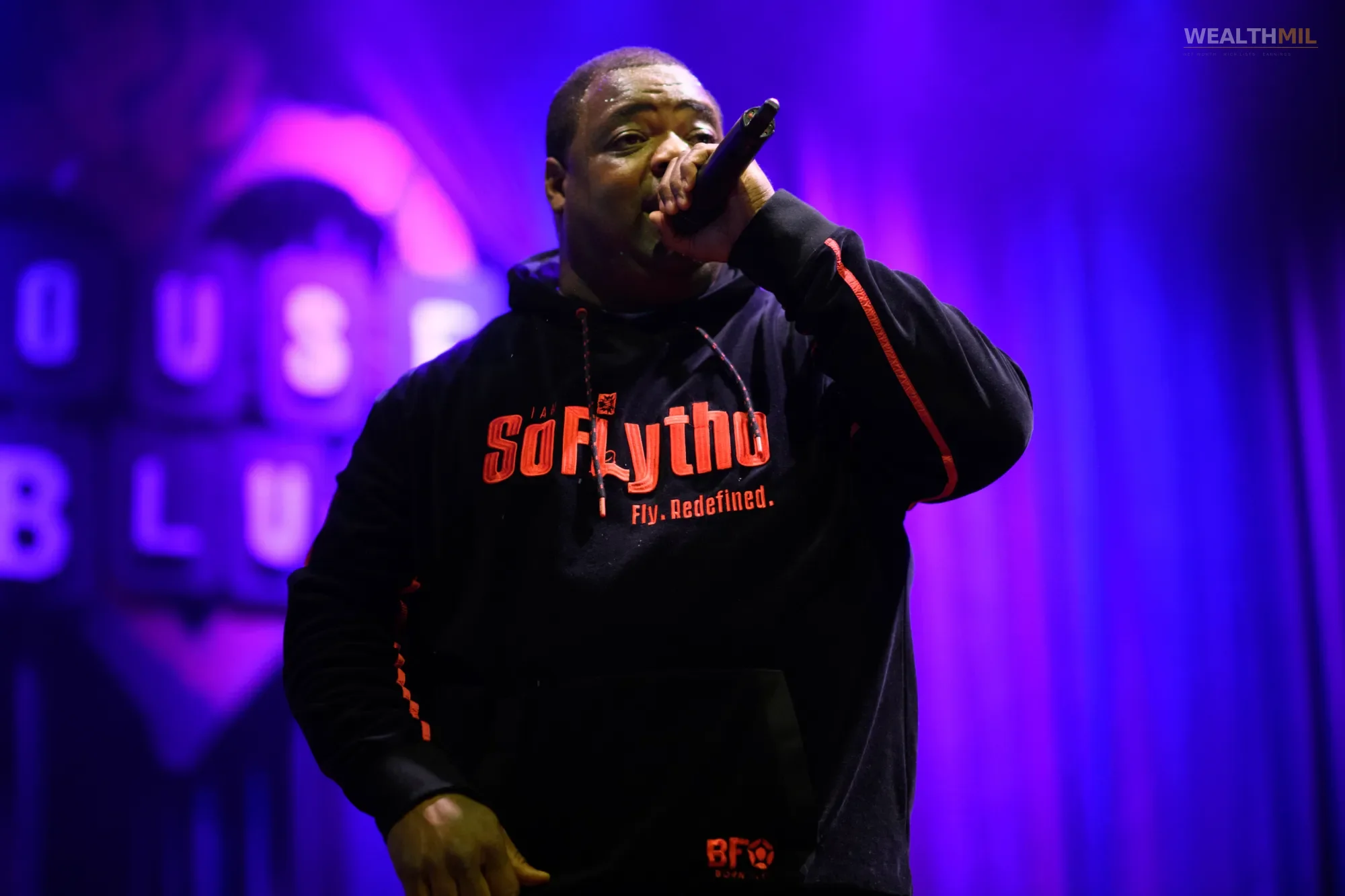
One of the biggest reasons for Big Pokey’s delayed financial success was the nature of independent music distribution in the ‘90s. At the time, physical sales and radio play were the primary drivers of revenue. Without major label support, reaching a national audience was extremely difficult.
Houston’s rap scene thrived locally, with artists selling tapes and CDs directly to fans. While this approach built strong community connections, it did not generate the same level of income as mainstream exposure.
As Southern hip-hop began gaining national attention in the early 2000s, many artists influenced by the Houston sound achieved commercial success. However, pioneers like Pokey did not always benefit proportionally from this shift.
The Role of Timing in Financial Growth
Timing plays a crucial role in the music industry, and Big Pokey’s career illustrates this clearly. He helped define a sound before the industry was ready to fully embrace it. By the time Southern rap became dominant, newer artists were better positioned to capitalize on the trend.
Additionally, the transition from physical sales to digital streaming changed how artists earn money. While this shift eventually created new opportunities, it initially disrupted traditional revenue streams.
For artists who built their careers in the pre-digital era, adapting to these changes was not always straightforward. This further contributed to the gap between influence and financial success.
In recent years, platforms like Spotify and Apple Music have introduced new ways for artists to earn from their catalog. For Big Pokey, this meant that older music could reach new audiences and generate ongoing revenue.
Streaming has also played a role in preserving the legacy of the Screwed Up Click and the chopped and screwed style. As younger listeners discover this sound, pioneers like Pokey gain renewed recognition.
This kind of delayed appreciation often leads to increased performance opportunities, collaborations, and licensing deals. While it may not fully match the earnings of mainstream stars, it helps bridge the financial gap over time.