
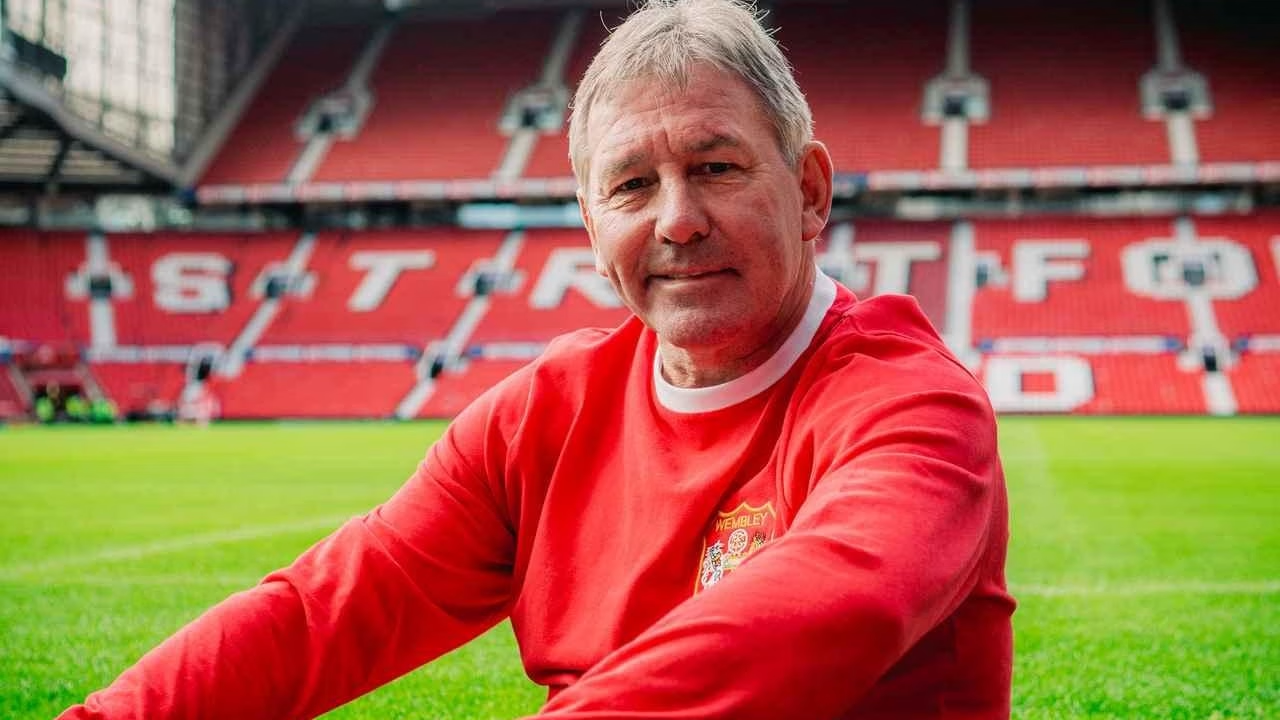
For over a decade, Bryan Robson defined leadership in English football. Known as “Captain Marvel,” he was the driving force behind Manchester United during one of the club’s most transitional eras. His relentless energy, commanding presence, and knack for scoring crucial goals made him one of the most respected midfielders of his generation.
But while Robson’s legacy on the pitch is undisputed, a more intriguing question lingers off it. How much did football actually reward him financially for his contributions? Unlike modern superstars earning millions weekly, Robson played in a different era where wages, endorsements, and financial structures were far more modest.
Yet, he still built a solid career financially through contracts, management roles, and post-retirement ventures. Let’s break down Bryan Robson’s earnings, business decisions, and financial journey to understand whether the game truly paid him back.
The Early Years: Modest Beginnings at West Bromwich Albion
Bryan Robson began his professional journey at West Bromwich Albion in 1972. At the time, English football was far removed from the financial powerhouse it is today.
Player wages were relatively modest, and even top talents didn’t enjoy the kind of wealth seen in the modern game. Robson quickly established himself as a dynamic midfielder, earning recognition for his work rate and leadership qualities.
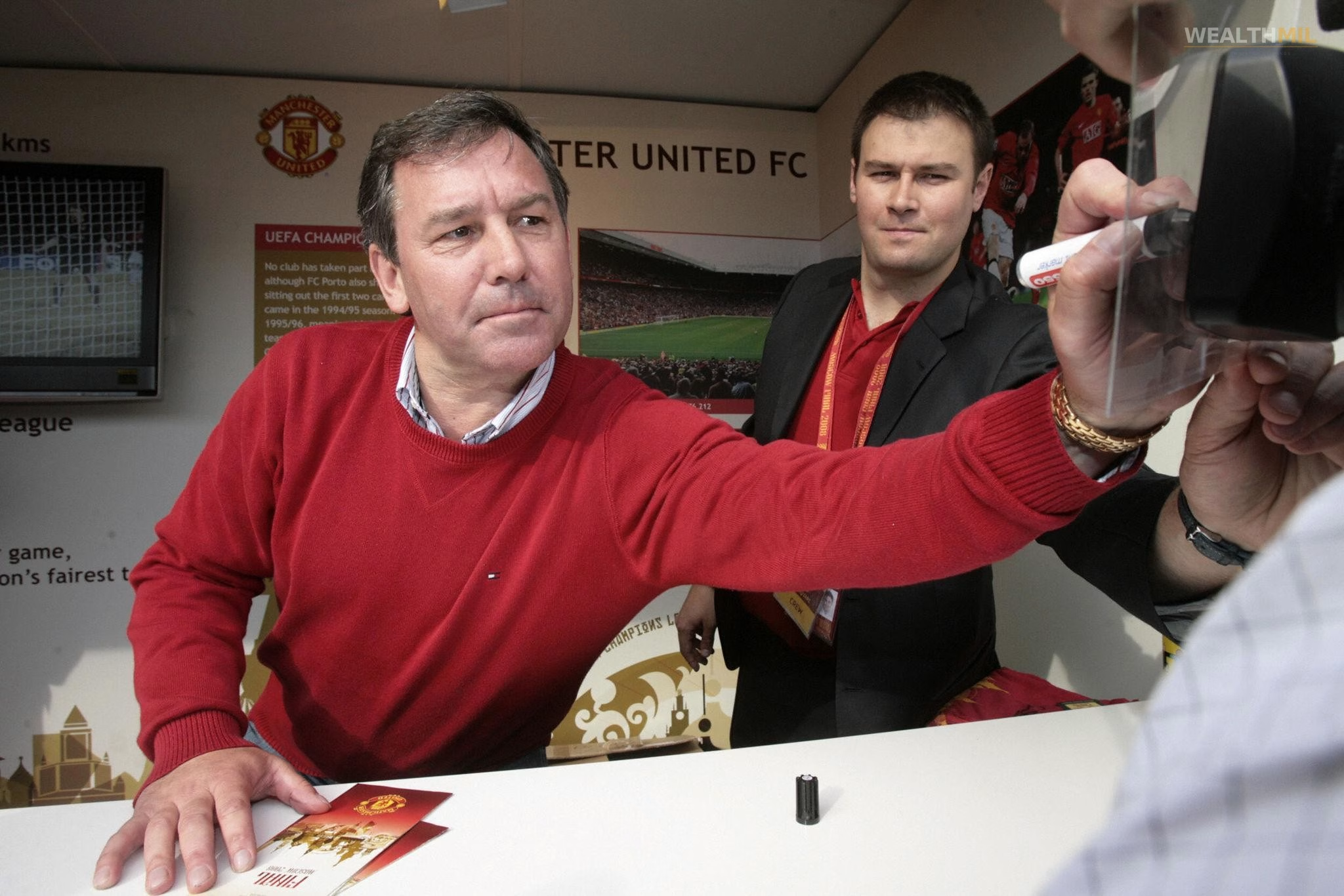
However, financially, these early years were more about building a reputation than accumulating wealth. Contracts were structured conservatively, and endorsement opportunities were limited compared to today’s globalized football market.
Still, his performances laid the groundwork for a historic move that would change both his career and earning potential.
The Record-Breaking Move to Manchester United
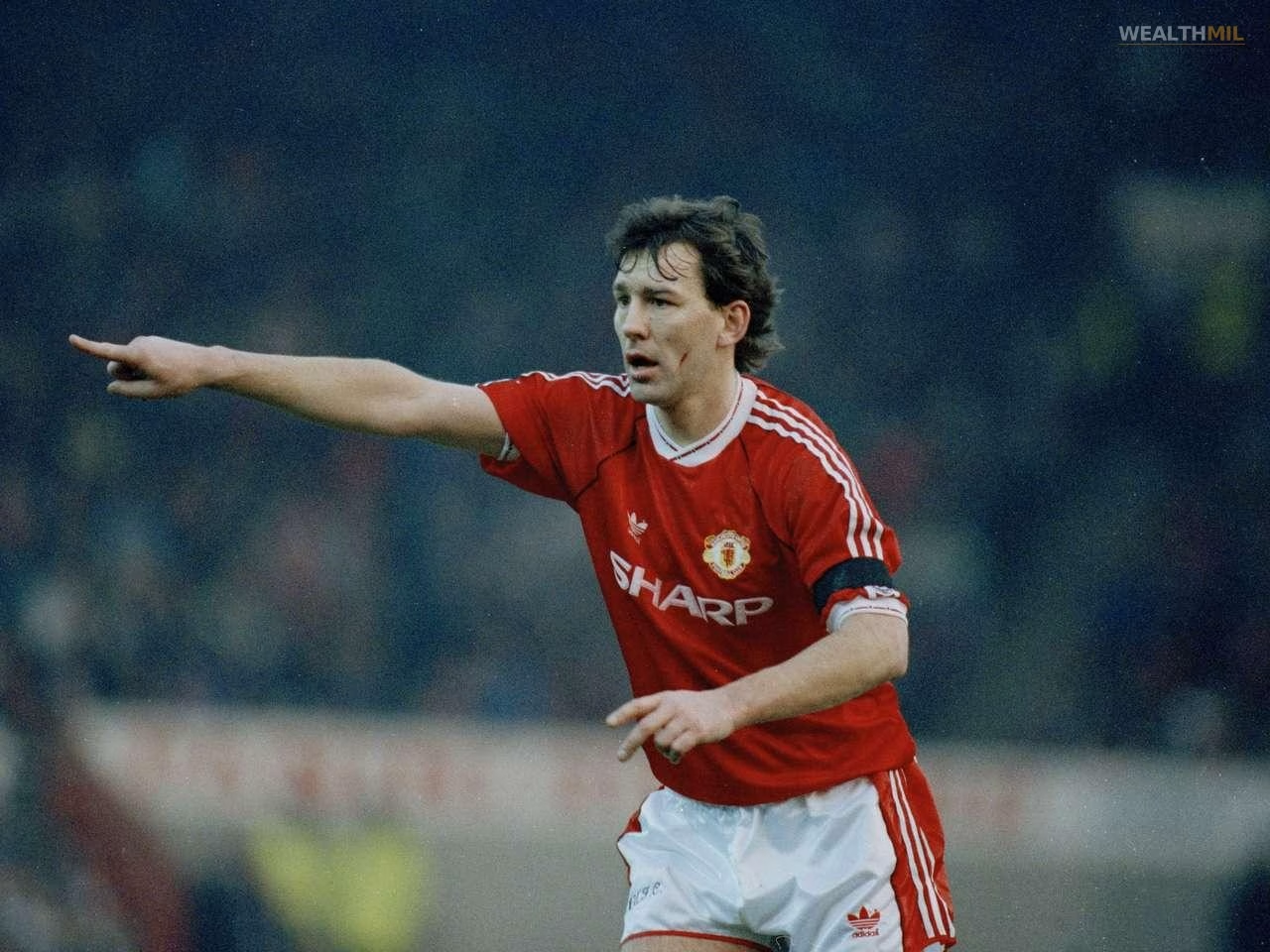
In 1981, Manchester United signed Bryan Robson for a British record fee of £1.5 million. This transfer was groundbreaking at the time and reflected his immense value as a player.
His weekly wage was reported to be around £2,000, which, while significant in that era, pales in comparison to today’s football salaries. Still, it positioned him among the better-paid players in England during the early 1980s.
By 1984, Robson signed a seven-year contract worth approximately £1 million. This deal was a major financial milestone and highlighted his importance to the club.
During his time at United, Robson won multiple trophies, including league titles, FA Cups, and a European Cup Winners’ Cup. His success on the pitch translated into steady financial growth, even if it didn’t reach modern superstar levels.
Earnings in Context: Then vs Now
To understand Bryan Robson’s financial story, it’s essential to compare his earnings with today’s football economy.
In the 1980s, even elite players earned thousands per week, not hundreds of thousands. Broadcasting deals were smaller, sponsorships were limited, and global marketing had not yet transformed football into a multi-billion-pound industry.
If Robson had played in the modern Premier League era, his leadership and skillset would likely have earned him massive contracts and endorsement deals.
This contrast often leads to a surprising conclusion. Despite being one of England’s best players, Robson’s career earnings are relatively modest when adjusted for today’s standards.
However, for his time, he was still well compensated and considered financially successful within the sport.
Life After Playing: Management and Continued Income
After retiring as a player, Bryan Robson transitioned into management, adding another layer to his financial portfolio.
He began as player-manager at Middlesbrough and continued managing the club after retiring from playing. His managerial career also included spells at West Bromwich Albion and Sheffield United, along with an international role with the Thailand national team.
While managerial salaries varied, they provided a steady income stream and kept him connected to the game. These roles also helped him maintain relevance in football circles, which later translated into ambassadorial and business opportunities.
Although not as lucrative as modern managerial contracts, this phase ensured financial continuity after his playing days ended.
Since 2008, Bryan Robson has served as a global ambassador for Manchester United. This role became one of his most consistent sources of income in recent years.
Reports suggest he earned around £150,000 every six months, which amounts to approximately £300,000 annually. His responsibilities included attending events, representing the club globally, and maintaining its legacy presence.
However, recent developments indicate changes in ambassadorial pay structures, reflecting broader financial adjustments within football organizations.
Even so, this role demonstrates how legendary players can continue earning long after retirement, especially when tied to globally recognized clubs.
Business Ventures and Financial Awareness
Beyond football, Bryan Robson has taken steps to secure his financial future through business ventures.
In 2024, he co-founded High Performance Individuals (HPI), a financial advisory firm aimed at helping athletes and high earners manage their wealth. This move was influenced by witnessing former teammates struggle financially after retirement.
HPI operates differently from traditional firms, focusing on guidance rather than commissions. It works closely with agents and advisors to ensure clients make informed financial decisions.

This venture highlights a growing awareness among former athletes about financial literacy. For Robson, it’s not just about earning money, but helping others avoid common pitfalls.
Tax Challenges and Financial Setbacks
Despite a successful career, Bryan Robson’s financial journey hasn’t been without challenges.
In 2024, he faced a significant tax issue related to IR35 regulations. A tribunal ruled that he had been working as a “disguised employee” during part of his ambassadorial tenure at Manchester United.
While he won appeals for several years, rulings against him for the 2019 to 2021 period mean he faces a notable tax bill. The exact amount remains undisclosed, but it reflects the complexities of modern financial regulations.
This situation serves as a reminder that even experienced professionals can encounter financial hurdles, especially as tax laws evolve.
Bryan Robson’s net worth is not publicly confirmed, but the available data paints a clear picture.
He earned solid wages during his playing career, secured major contracts for his time, and continued to generate income through management, ambassadorial roles, and business ventures.
However, when compared to modern footballers, his earnings appear modest. This isn’t a reflection of his value, but rather the era in which he played.
Football has changed dramatically since the 1980s. Today’s players benefit from massive TV deals, global branding, and commercial partnerships that simply didn’t exist in Robson’s time.