Dolly Parton’s career was built on unforgettable songs, business intelligence and the ability to protect the value of her own work. Before becoming one of the most successful entertainers in the world, Parton made a career-defining decision that could have changed her financial future forever: she rejected Elvis Presley’s request to record her hit song “I Will Always Love You” because the deal required her to surrender a portion of the song’s publishing rights.
The decision was difficult because Presley was one of the biggest stars on the planet, and an Elvis recording could have elevated any songwriter’s career. However, Parton understood that owning her music catalog was more valuable than a short-term opportunity.
That business instinct helped her build a massive entertainment empire, with her estimated wealth reaching around $650 million through songwriting royalties, publishing, touring, film projects, Dollywood and various business ventures.
Why Dolly Parton Refused Elvis Presley’s Recording Request
Dolly Parton originally wrote “I Will Always Love You” in 1973 while preparing to leave The Porter Wagoner Show. Wagoner had played an important role in launching her career, but Parton wanted to establish herself as a solo artist.
Instead of continuing a difficult conversation about her departure, Parton wrote the emotional farewell song as a tribute to Wagoner. The track became a major country hit in 1974 and eventually became one of the most recognized songs in music history.
Years later, Elvis Presley showed interest in recording his own version. According to Celebrity Net Worth, Presley’s team had already prepared an arrangement and Parton was invited to attend the recording session.
However, Elvis’ manager Colonel Tom Parker reportedly requested half of the publishing rights before the recording could happen. Accepting the agreement would have meant losing ownership of a significant portion of one of Parton’s most valuable songs. Parton ultimately refused the offer.
Although she was disappointed and reportedly cried after the deal fell apart, the singer stood by her decision because she believed her songwriting catalog was a long-term asset.
Whitney Houston’s Version Proved Dolly Made the Right Choice
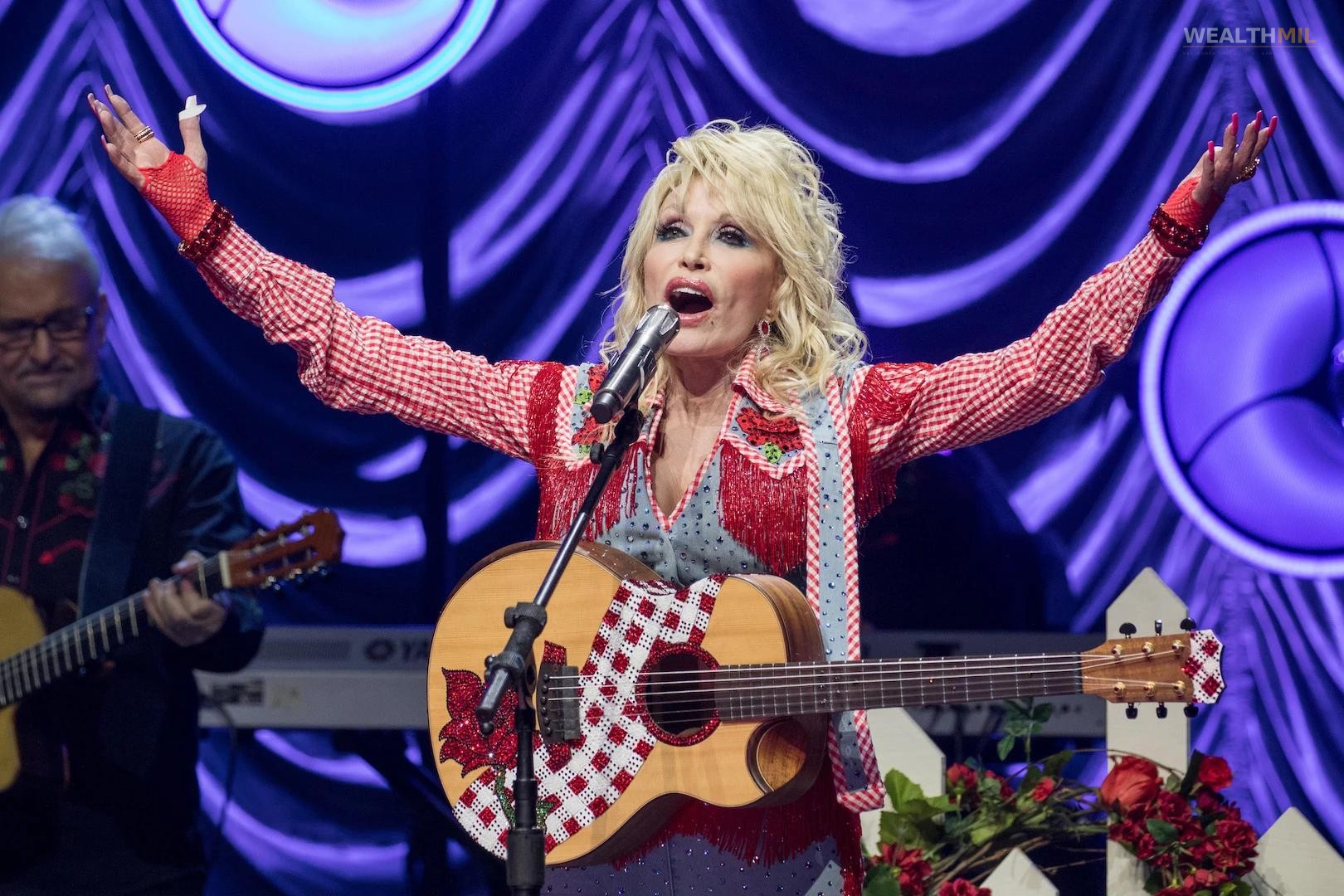
Nearly two decades after Elvis Presley’s proposed recording, “I Will Always Love You” found an even bigger audience when Whitney Houston recorded the song for The Bodyguard soundtrack in 1992.
Houston’s version became a global phenomenon, spending 14 weeks at No. 1 on the Billboard Hot 100 and becoming one of the best-selling singles ever released. Because Parton had retained ownership of the publishing rights, she continued benefiting financially from the song’s worldwide success.
The success of Houston’s cover reportedly earned Parton millions while proving that protecting ownership was one of the smartest decisions of her career.
The moment became an example of how artists can build lasting wealth by controlling their creative assets instead of accepting every major opportunity that arrives.
Dolly Parton Built More Than a Music Career
Parton’s financial success was never based on one song alone. She consistently expanded her career beyond performing, becoming a songwriter, actress, producer and entrepreneur.
Her biggest business achievement outside music was Dollywood, the Tennessee theme park that grew into a major entertainment destination celebrating the culture and traditions of the Smoky Mountains.
She also created the Imagination Library, a literacy program that provides free books to children, while supporting education, healthcare and disaster relief efforts.
From songs like “Jolene” and “9 to 5” to her film career and business ventures, Parton repeatedly demonstrated the same principle that guided her decision with Elvis: understand the value of what you create.
Her choice to keep ownership of “I Will Always Love You” became more than a financial decision. It represented the independence, confidence and business vision that defined Dolly Parton’s extraordinary legacy.