

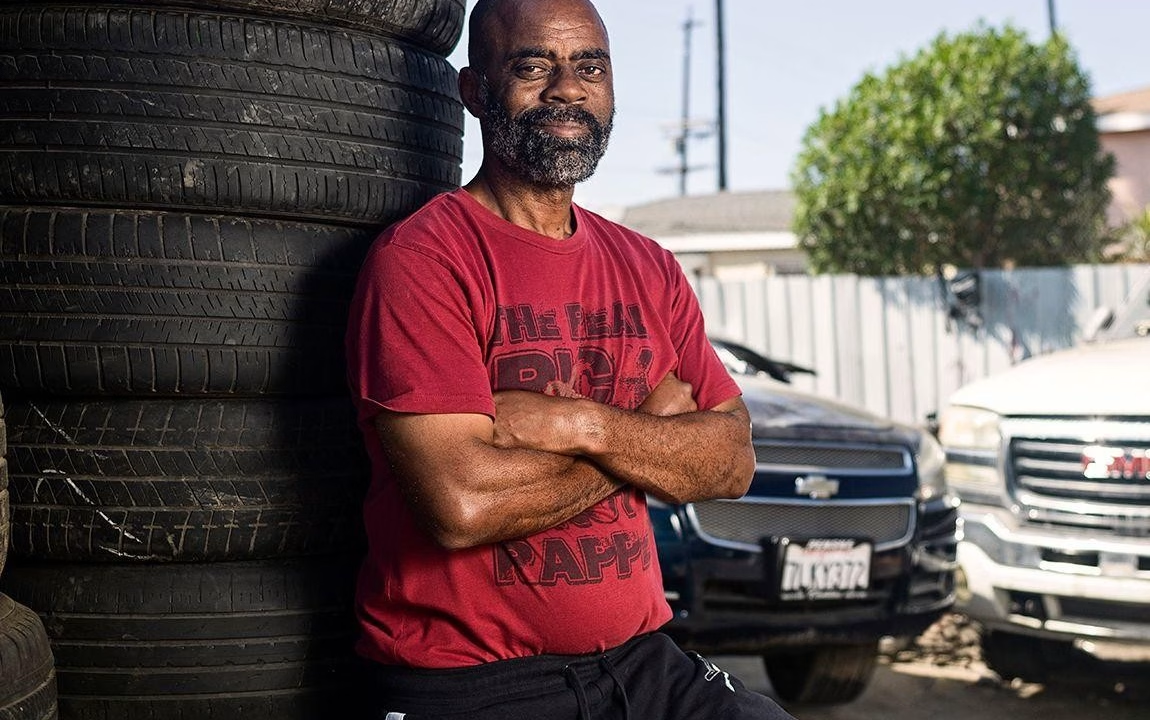
The story of Freeway Ricky Ross remains one of the most complex and controversial chapters in modern American history. Known for building a cocaine empire that federal prosecutors estimated generated over $900 million in the 1980s, Ross’s rise from poverty to extreme wealth was as rapid as it was destructive. His name later became entangled in allegations involving U.S. foreign policy, intelligence agencies, and the crack epidemic that devastated communities across the country.
At its core, this is not just a crime story. It is about ambition, systemic failure, and the fragile nature of illegal wealth that can disappear as quickly as it appears.
From Tennis Dreams to Street Survival
Before becoming a notorious figure, Ricky Donnell Ross had a very different ambition. Growing up in South Central Los Angeles, he showed real promise as a high school tennis player and hoped the sport would earn him a college scholarship. That path collapsed when it was discovered he was functionally illiterate, a limitation that effectively ended his academic and athletic future.
Ross later recalled how modest his early goals were, explaining,
“At the time we were doing $50 packages of powder cocaine, and making maybe $25… That garage was all I wanted.”
His entry into drug dealing was not initially about empire-building, but about survival and escaping poverty. However, the economics of the drug trade quickly changed the scale of his ambitions.
Ross’s trajectory shifted dramatically when he met Nicaraguan supplier Oscar Danilo Blandón. According to Ross, Blandón offered cocaine at prices far below market rates, allowing him to expand faster than competitors. While others paid around $3,000 per ounce, Ross claimed he could purchase it for nearly half that price.
This advantage fueled rapid growth. Ross built a distribution network that stretched across multiple U.S. cities, moving massive quantities of cocaine daily. Reflecting on that period, he later said,
“There was no limit to what we could do.”
That price edge became the foundation of an empire that would eventually attract national attention.
The $900 Million Cocaine Empire Explained
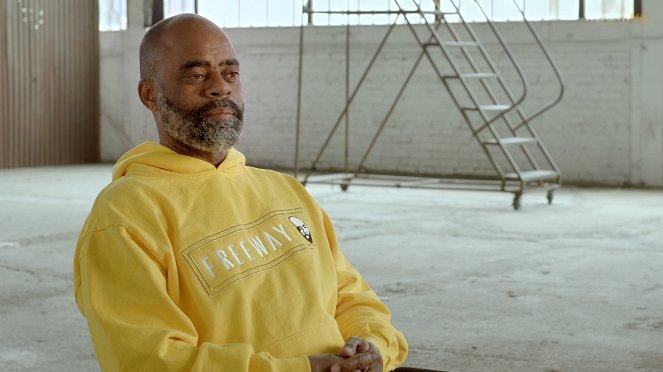
Federal prosecutors estimated that Ross’s operation generated more than $900 million in revenue during the 1980s, with personal profits reaching close to $300 million. Adjusted for inflation, those figures would approach billions in today’s terms. However, these numbers represent gross movement of money, not stable wealth.
Unlike legitimate businesses, the drug trade operates in constant risk. Cash is vulnerable to theft, law enforcement seizures, and internal betrayal. Ross’s empire, despite its scale, lacked the protections of legal financial systems, making it inherently unstable.
His rise also coincided with the explosion of crack cocaine across American cities. While later government reviews disputed claims that Ross alone drove the epidemic, his role as a major distributor during that period remains undeniable.
The story took a dramatic turn in 1996 when journalist Gary Webb published the “Dark Alliance” series in the San Jose Mercury News. Webb’s reporting suggested that Contra-linked networks, connected to U.S.-backed forces in Nicaragua, played a role in supplying cocaine that reached dealers like Ross.
The investigation sparked national outrage, particularly in communities heavily impacted by crack cocaine. Webb argued that profits from these networks supported anti-communist efforts abroad while domestic consequences were largely ignored.
However, official investigations later pushed back on the most explosive claims. The CIA’s Inspector General denied direct involvement with Ross, and a Justice Department review found insufficient evidence to support the idea that such networks were primarily responsible for the crack epidemic. Still, reports confirmed that U.S. agencies maintained relationships with Contra groups despite known drug trafficking allegations, leaving the controversy unresolved rather than fully dismissed.
Arrest, Life Sentence, and a Turning Point
Ross’s downfall came through a sting operation involving Blandón, who had become a government informant. In 1996, Ross was convicted of conspiring to purchase over 100 kilograms of cocaine and received a life sentence under federal three-strikes laws.
Prison marked a turning point. Ross finally learned to read, studying law and business while re-examining his case. His efforts paid off when his sentence was overturned on appeal, leading to his release in 2009 after serving roughly two decades.
The irony was striking. The same illiteracy that derailed his early life was eventually overcome, helping secure his freedom.