Tupac Shakur had already reached extraordinary levels of fame by the time he died at age 25 in September 1996. His music career was producing major hits, All Eyez on Me had become a blockbuster release, and his growing profile as an actor made him one of the most recognizable entertainers of his generation. Yet the wealth visible to fans did not accurately represent what Tupac personally owned.
According to financial details reported after his death, Tupac had approximately $150,000 in a bank account and owned two vehicles, but he did not have real estate, stocks, bonds or a retirement account. Even the California home where he had been living was not his personal property. The situation became even more complicated when Death Row Records claimed Tupac owed the label millions, while his estate later argued that Death Row actually owed Tupac millions in royalties.
Tupac’s Spending and Death Row Deal Complicated His Finances
Tupac’s financial difficulties had developed before he joined Death Row Records. His growing entourage and extended circle reportedly depended heavily on him, while legal expenses from his numerous criminal and civil cases consumed significant amounts of money. His spending habits could also be extravagant, creating a major gap between the money generated by his career and the wealth he actually retained.
His deal with Death Row followed his imprisonment in 1995 and was closely connected to his release on bail. The arrangement was reportedly far more complicated than the commonly repeated story that label founder Suge Knight simply paid his $1.4 million bail in exchange for Tupac signing with Death Row.
According to details later presented by Tupac’s estate, the financing involved multiple sources and was ultimately connected to his future earnings. His reported Death Row agreement included a $1 million album advance, money toward a vehicle, an annual expense allowance and funding for legal costs.
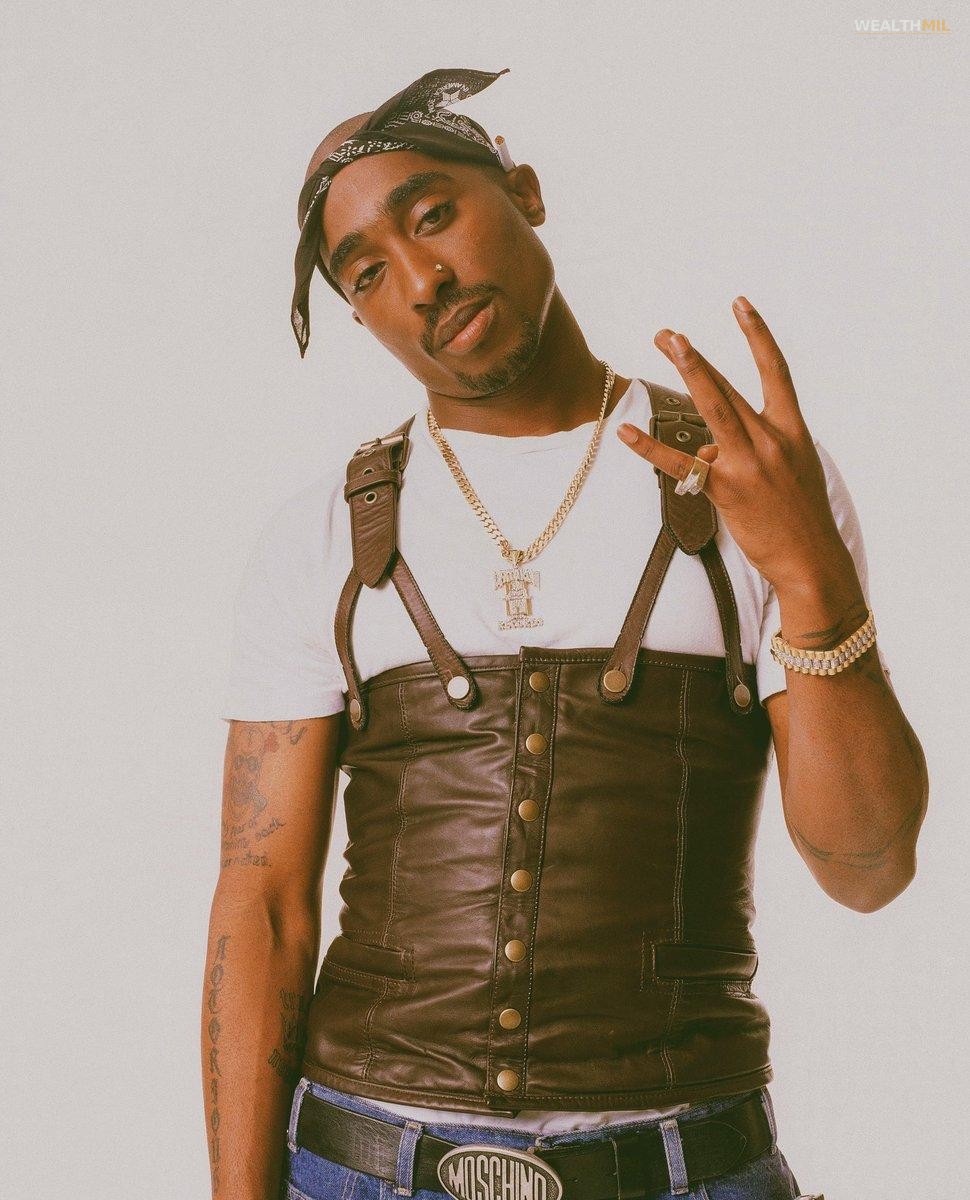
That structure meant Tupac could appear extraordinarily wealthy while much of the money being spent on his behalf was effectively being treated as advances or expenses that the label expected to recover from his future royalties.
All Eyez on Me Made Tupac Look Richer Than He Was
The release of All Eyez on Me in February 1996 dramatically increased Tupac’s commercial profile. The double album debuted at No. 1 and produced major songs including “California Love” and “How Do U Want It,” turning Tupac into an even bigger commercial force.
His lifestyle reflected that success, with luxury vehicles, jewelry, expensive hotels, security and other significant expenses. However, the money associated with that lifestyle did not necessarily translate into assets held directly by Tupac.
Death Row’s accounting later claimed Tupac’s artist account was approximately $4.9 million in debt. The label subsequently made an even larger claim of around $7.1 million against his estate, arguing that advances and expenses had been paid on his behalf.
Tupac’s mother, Afeni Shakur, challenged that accounting after taking control of his estate. Her legal team argued that Death Row’s accounting failed to properly account for royalties and disputed numerous expenses that had allegedly been charged against Tupac.
The estate ultimately presented a dramatically different financial picture, claiming Death Row owed Tupac approximately $9.9 million. Because the competing figures came from disputed accounting and legal claims, neither number should be treated as a definitive statement of Tupac’s personal net worth at the time of his death.
Afeni Shakur Turned Tupac’s Unreleased Music Into an Estate
Tupac’s most important remaining asset was arguably not something that appeared on a balance sheet. He had recorded a huge amount of unreleased music, leaving his estate with an extensive catalog that could continue generating revenue after his death.
Afeni used that catalog as leverage while dealing with Death Row and its business partners. Following negotiations, the estate received substantial advances and improved royalty terms, while control of approximately 150 unreleased Tupac recordings eventually became part of the estate’s posthumous music operation.
Those recordings helped transform Tupac’s financial legacy. Projects including R U Still Down? (Remember Me), Greatest Hits, Until the End of Time and Better Dayz generated significant sales after his death.
By the late 1990s, the estate had moved from financial uncertainty to substantial profitability. Later estimates placed the value generated by Tupac’s estate in the millions, demonstrating how dramatically his financial position changed once his unreleased catalog, music rights and name became professionally managed.
Tupac therefore did not die as a multimillionaire in the conventional sense. He died with limited identifiable personal assets and a major unresolved dispute over money, but the music he left behind eventually became the foundation of a highly valuable estate.