
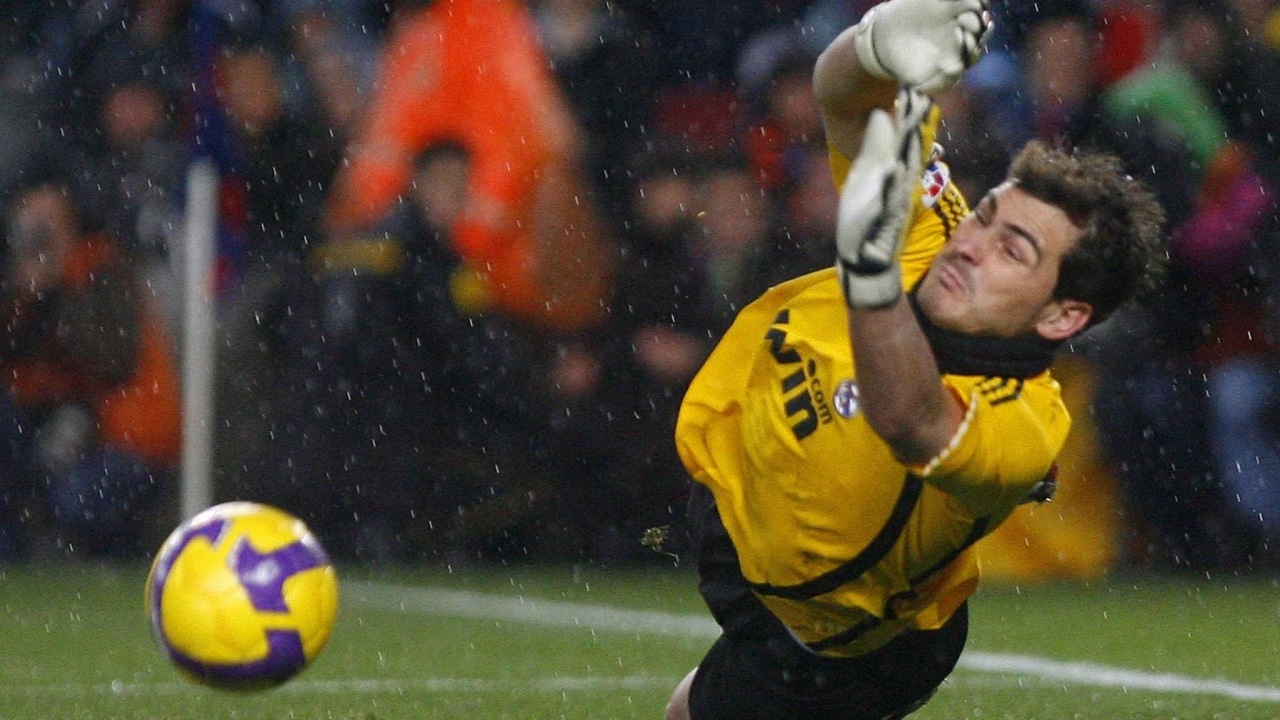
Iker Casillas spent more than two decades proving why reliability can be just as valuable as superstar flair in world football. While forwards often dominate headlines and sponsorship deals, Casillas built his legacy from the opposite end of the pitch through reflexes, leadership, and calm performances under pressure. His career with Real Madrid and the Spain national football team turned him into one of the most decorated goalkeepers in football history.
Casillas’ financial success reflects that extraordinary consistency. His estimated net worth, built through elite football contracts, endorsements, ambassador roles, and post-retirement ventures, is tied directly to years of performing at the highest level. Unlike many athletes whose careers peak briefly, Casillas remained trusted by managers, teammates, and fans across multiple football eras.
He became the face of leadership during Spain’s golden generation and one of the defining symbols of Real Madrid’s dominance in European football. More importantly, he earned a reputation for professionalism and loyalty that strengthened his commercial value beyond the sport itself. His story is not just about trophies or earnings. It is about how sustained excellence created long-term influence and financial stability.
Iker Casillas became Real Madrid’s most dependable leader
Casillas joined Real Madrid’s academy as a child and gradually rose through the club’s system before making his senior debut in 1999. Few could have predicted that the young goalkeeper would eventually become one of the club’s greatest legends. By the age of 19, he had already become the youngest goalkeeper to appear in and win a UEFA Champions League final.
What separated Casillas from many talented goalkeepers was his ability to consistently deliver in high-pressure situations. Real Madrid is a club where expectations are relentless, and mistakes are remembered for years. Yet Casillas repeatedly produced match-saving performances in league games, Champions League knockout rounds, and major finals.
Over his long Real Madrid career, Casillas played 725 official matches and won 19 major trophies. Those achievements included multiple La Liga titles, Copa del Rey victories, and three UEFA Champions League trophies. His longevity at one of the world’s biggest clubs significantly increased both his salary earnings and his global reputation.
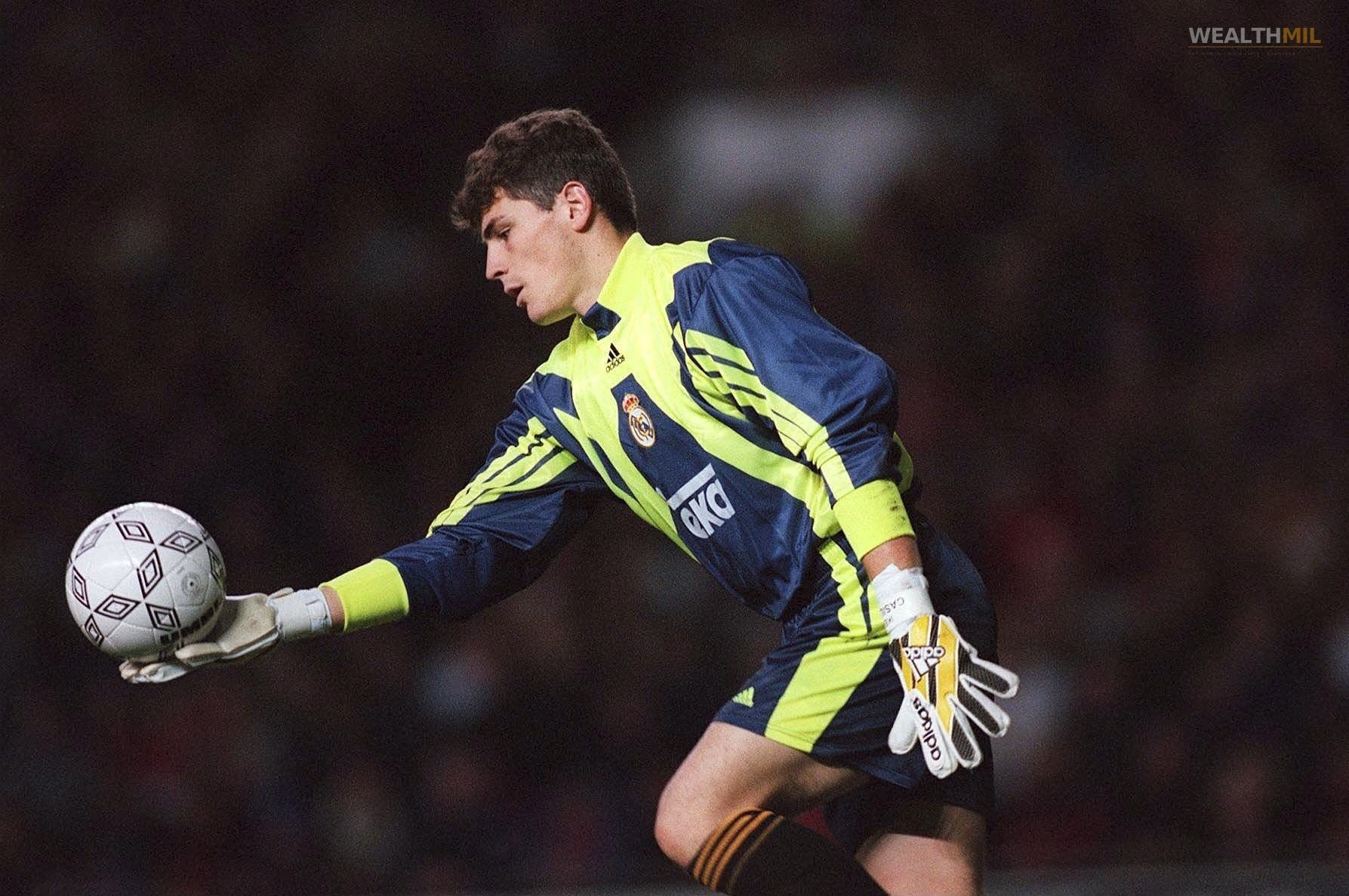
Casillas also became captain during one of Real Madrid’s most commercially powerful eras. Leadership roles in elite football often translate into stronger endorsement opportunities because brands value athletes associated with trust and authority. Casillas developed exactly that kind of image throughout his Madrid years.
His calm personality further strengthened his popularity. While many football stars built attention through controversy or outspoken personalities, Casillas earned admiration through discipline and professionalism. That dependable public image became a major asset throughout his career and later contributed to his long-term financial success.
Spain’s golden era elevated Casillas into football royalty
Casillas’ legacy expanded far beyond club football once Spain entered its historic golden era. The Spanish national team had often struggled to convert talent into major tournament success, but that changed dramatically when a generation led by players like Xavi, Andrés Iniesta, Sergio Ramos, and Casillas emerged.
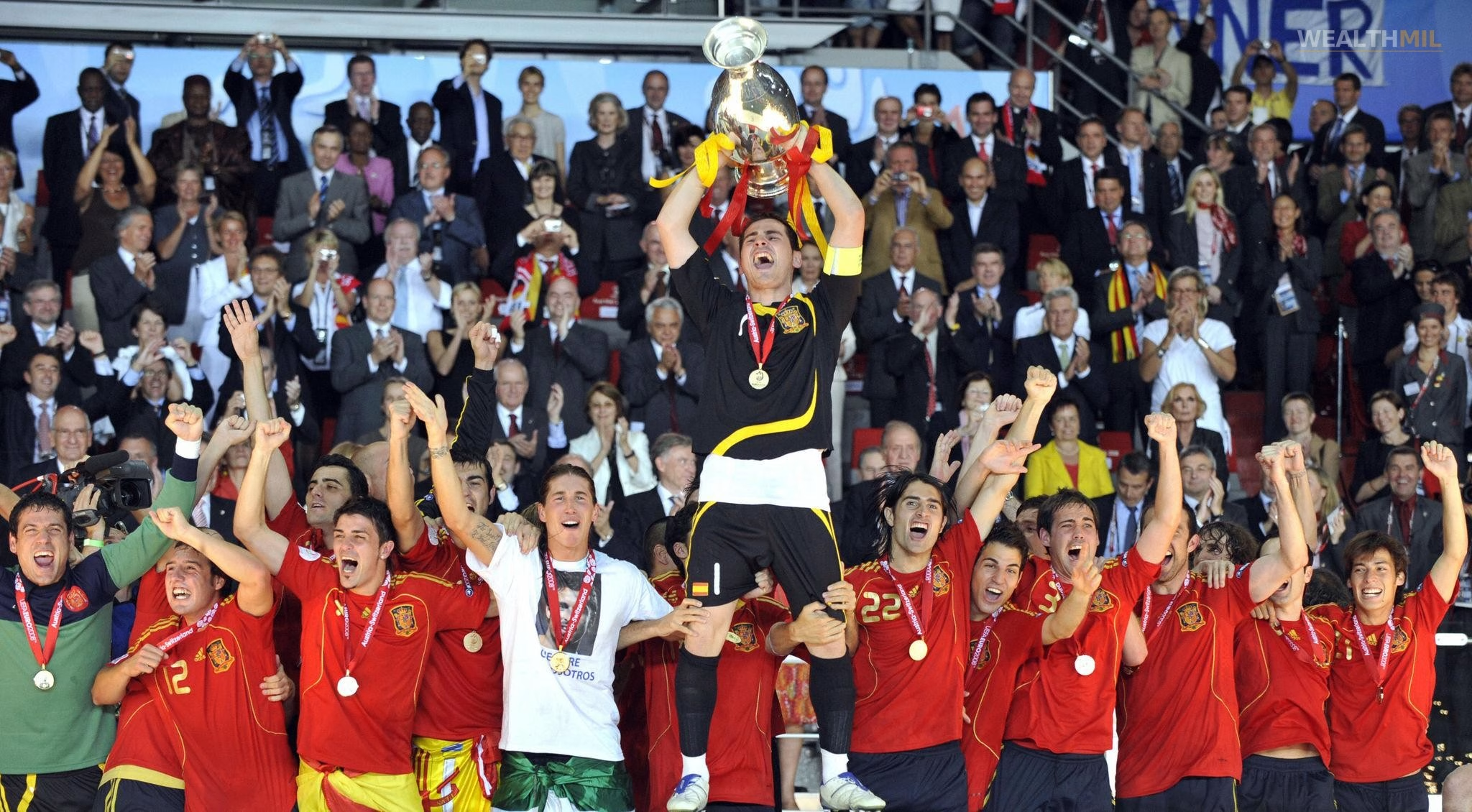
As captain, Casillas helped guide Spain to victory at UEFA Euro 2008, ending decades of international disappointment. The triumph transformed Spain psychologically and established the team as a global football powerhouse. Casillas played a crucial leadership role throughout the tournament, combining elite shot-stopping with emotional composure.
The defining moment of his international career came during the 2010 FIFA World Cup in South Africa. Casillas captained Spain to its first-ever World Cup title and delivered several iconic performances during the tournament. His crucial save against Arjen Robben in the final remains one of the most famous moments in modern football history.
Spain followed that achievement by winning UEFA Euro 2012, making them the first national team to win three consecutive major international tournaments. Casillas became the face of one of football’s greatest dynasties, and his reputation as a leader reached another level globally.
International success also dramatically increased his marketability. World Cup-winning captains often become highly valuable commercial figures because they represent leadership, national pride, and sporting excellence. Casillas benefited from that visibility through endorsements, sponsorships, and long-term recognition across global football audiences.
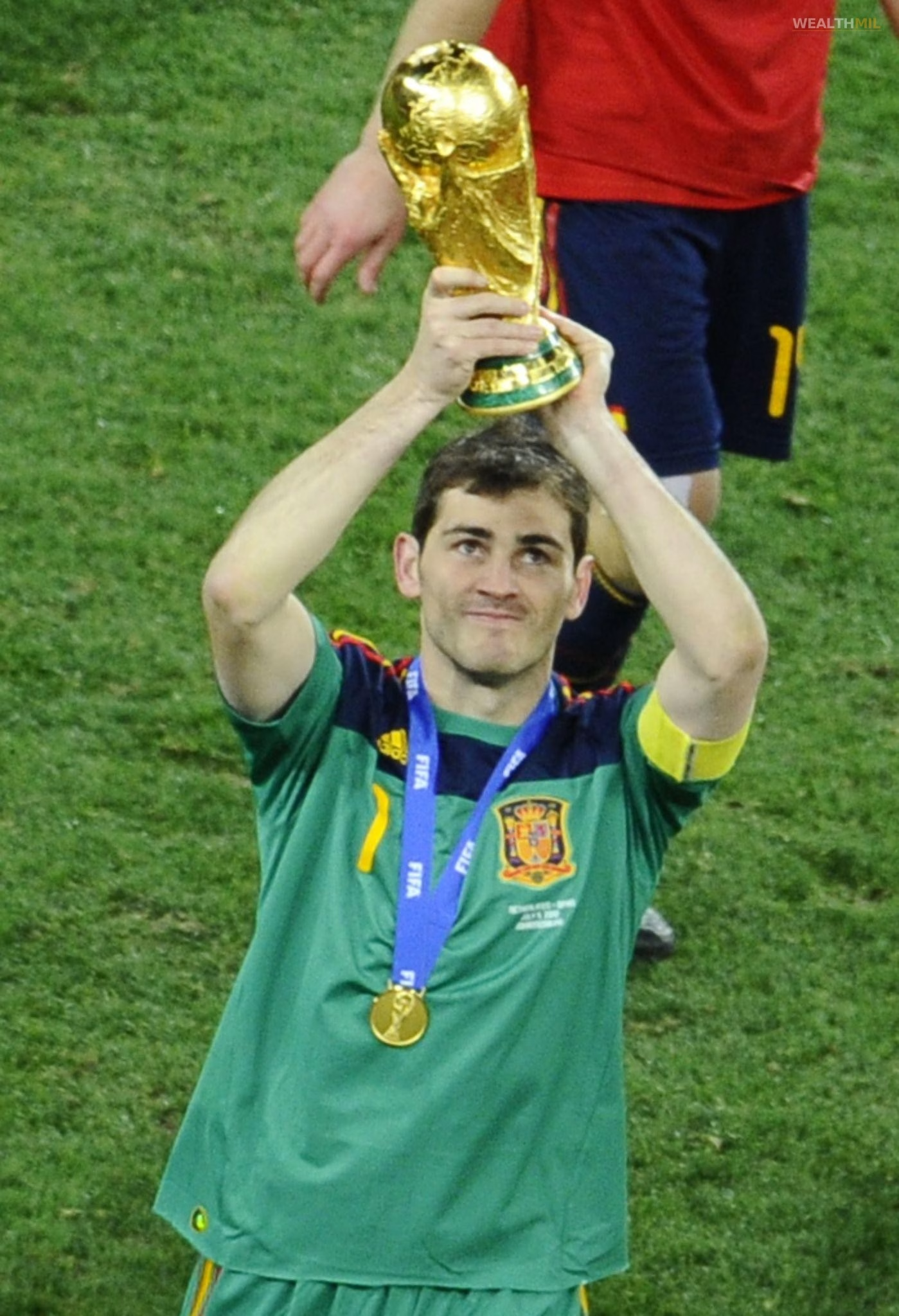
His 167 appearances for Spain placed him among the nation’s most capped players. Maintaining that level of trust over so many years highlighted the consistency that defined his entire career.
Iker Casillas’ net worth grew through football contracts and endorsements
Casillas’ estimated net worth is often reported around $80 million to $90 million, though figures vary depending on different financial estimates. The majority of his wealth came from his long-term contracts with Real Madrid, where he spent most of his playing career earning elite-level football salaries.
Goalkeepers historically earned less attention than attacking stars, but Casillas became one of the few defensive players whose importance justified top-tier wages. His role as captain, combined with his global recognition, ensured he remained one of Real Madrid’s most valuable players during multiple contract negotiations.
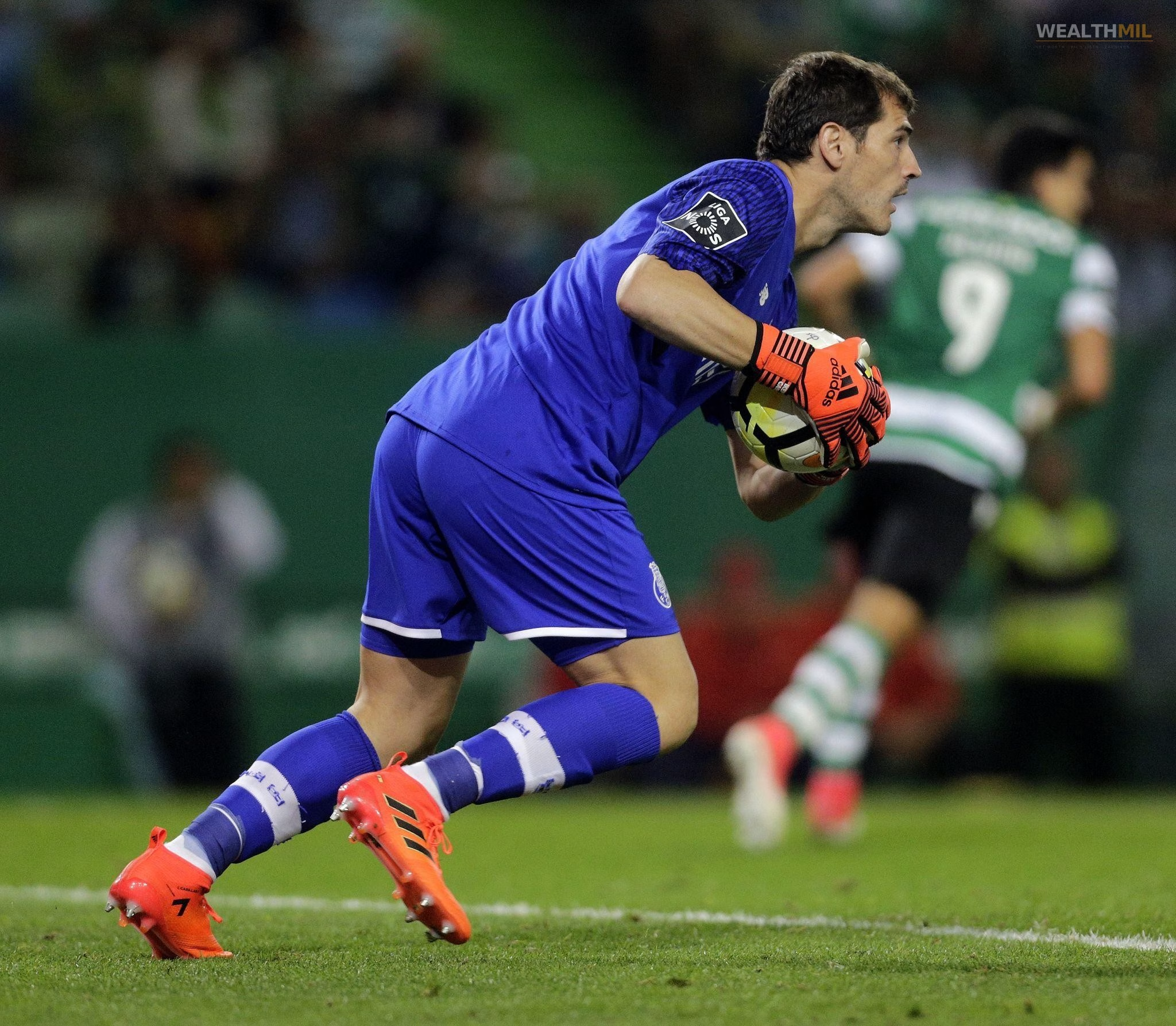
His move to FC Porto in 2015 also contributed significantly to his earnings. While Porto did not match Real Madrid’s commercial scale, Casillas remained a major football figure whose experience and leadership carried enormous value. He helped Porto win the Portuguese league title and continued competing at the Champions League level late into his career.
Endorsement deals formed another major part of Casillas’ financial portfolio. Throughout his peak years, he worked with globally recognized sports brands including Nike. Goalkeepers with iconic reputations often become valuable marketing figures because they symbolize resilience, reliability, and mental strength.
Casillas also benefited from the global commercial explosion of football during the 2000s and early 2010s. Television rights, sponsorship revenue, and social media dramatically increased player visibility during his era. As captain of both Real Madrid and Spain, Casillas occupied one of the sport’s most commercially powerful positions.
Even after retirement, his image remains highly marketable. Former football legends frequently earn income through ambassador roles, speaking appearances, media work, and partnerships connected to international football organizations. Casillas’ respected reputation makes him particularly attractive for those opportunities.
Leadership and consistency defined Casillas more than statistics
Modern football often revolves around statistics, but Casillas built his reputation through moments that went beyond numbers. Fans and teammates trusted him because he consistently performed under pressure. That trust became one of the defining qualities of his career.
Casillas earned the nickname “San Iker” because of his ability to produce extraordinary saves during critical moments. His reflexes, positioning, and composure helped Real Madrid and Spain survive difficult matches repeatedly. Over time, supporters began viewing him as a player capable of rescuing games almost single-handedly.
Leadership also separated Casillas from many elite goalkeepers. He rarely relied on dramatic behavior or emotional outbursts to motivate teammates. Instead, he led through calmness and example, qualities that managers deeply valued during high-pressure competitions.
His consistency was equally remarkable. Football careers often fluctuate because of injuries, form, or tactical changes, but Casillas maintained elite performance levels across multiple generations of teammates and coaches. That longevity increased his value both competitively and financially.
Casillas also handled fame differently than many modern sports stars. He generally avoided excessive controversy and maintained a grounded public image despite enormous popularity in Spain and internationally. That professionalism strengthened his reputation with sponsors and football institutions throughout his career.
The respect he earned from rivals further reinforced his legacy. Goalkeepers are often judged not only by trophies but also by how opponents speak about them. Across football, Casillas became widely recognized as one of the most dependable and respected players of his era.
Health challenges changed the final years of his career
Casillas’ playing career slowed dramatically after he suffered a heart attack during training with Porto in 2019. The incident surprised the football world because he had remained active at a high level despite being in the later stages of his career.
The health scare forced Casillas to reassess his future and ultimately contributed to his retirement announcement in 2020. While many athletes leave the game because of declining performance, Casillas’ departure carried a more emotional tone because of the seriousness of the medical situation.
Football clubs, players, and fans across the world expressed support following the incident. The reaction demonstrated how respected Casillas had become throughout the sport. Even rival supporters viewed him as a symbol of professionalism and sportsmanship.
Despite the difficult ending to his playing career, Casillas transitioned smoothly into post-retirement life. He remained connected to football through ambassador work, public appearances, and administrative roles linked to Real Madrid and the sport itself.
Former athletes who maintain strong reputations often find easier transitions into business and media opportunities. Casillas’ decades-long image as a trustworthy leader helped preserve his commercial value even after leaving professional football.
His retirement also sparked renewed appreciation for his accomplishments. Fans and analysts revisited his saves, leadership moments, and trophy wins, further strengthening his status as one of football’s greatest goalkeepers.
Casillas’ legacy extends far beyond his net worth
While Casillas accumulated substantial wealth during his career, his long-term influence on football matters far more than the numbers attached to his finances. He became one of the rare players whose reputation was built almost entirely on trust, consistency, and leadership rather than celebrity-driven controversy.
His influence on younger goalkeepers remains enormous. Many modern keepers grew up watching Casillas during Spain’s dominant years and Real Madrid’s European success. His quick reflexes and calm decision-making became reference points for an entire generation of players.