
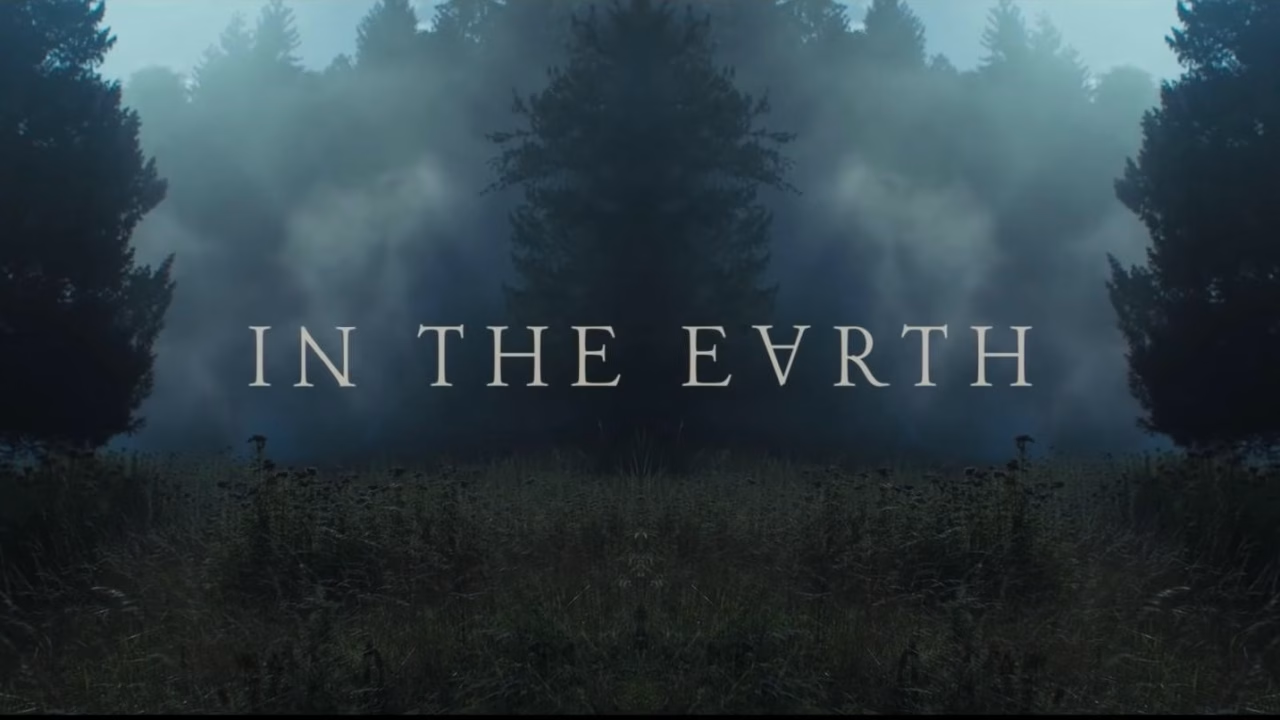
In the Earth stands out as one of the more unconventional horror films in recent years. Directed by Ben Wheatley, the movie blends psychological tension, folk horror elements, and experimental visuals into a narrative that feels both grounded and surreal. Released during a time when global uncertainty influenced storytelling, the film reflects anxieties around isolation, science, and humanity’s relationship with nature.
Unlike mainstream horror films that rely heavily on jump scares or predictable structures, In the Earth takes a slower and more abstract approach. It prioritizes atmosphere, mood, and thematic exploration over straightforward storytelling. This makes it a unique experience that may not appeal to everyone, but it offers something distinctive for viewers seeking a different kind of horror.
The film’s reception has been mixed but thoughtful, with critics from outlets like The Guardian and IndieWire noting its ambition and stylistic boldness. While some viewers may find it challenging, others see it as a refreshing departure from conventional horror formulas.
Plot overview: A journey into isolation and uncertainty
In the Earth follows a scientist and a park scout who venture into a remote forest to locate a missing researcher. Set during a pandemic, the story begins with strict quarantine protocols before transitioning into the wilderness, where the environment itself becomes a central character.
As the journey progresses, the characters encounter strange occurrences that blur the line between reality and hallucination. The forest is portrayed as both beautiful and threatening, creating a constant sense of unease. This duality is a key element of the film’s narrative structure.
The plot becomes increasingly abstract as the characters delve deeper into the woods. Rather than providing clear answers, the film raises questions about nature, consciousness, and human perception. This ambiguity is intentional and contributes to its psychological impact.
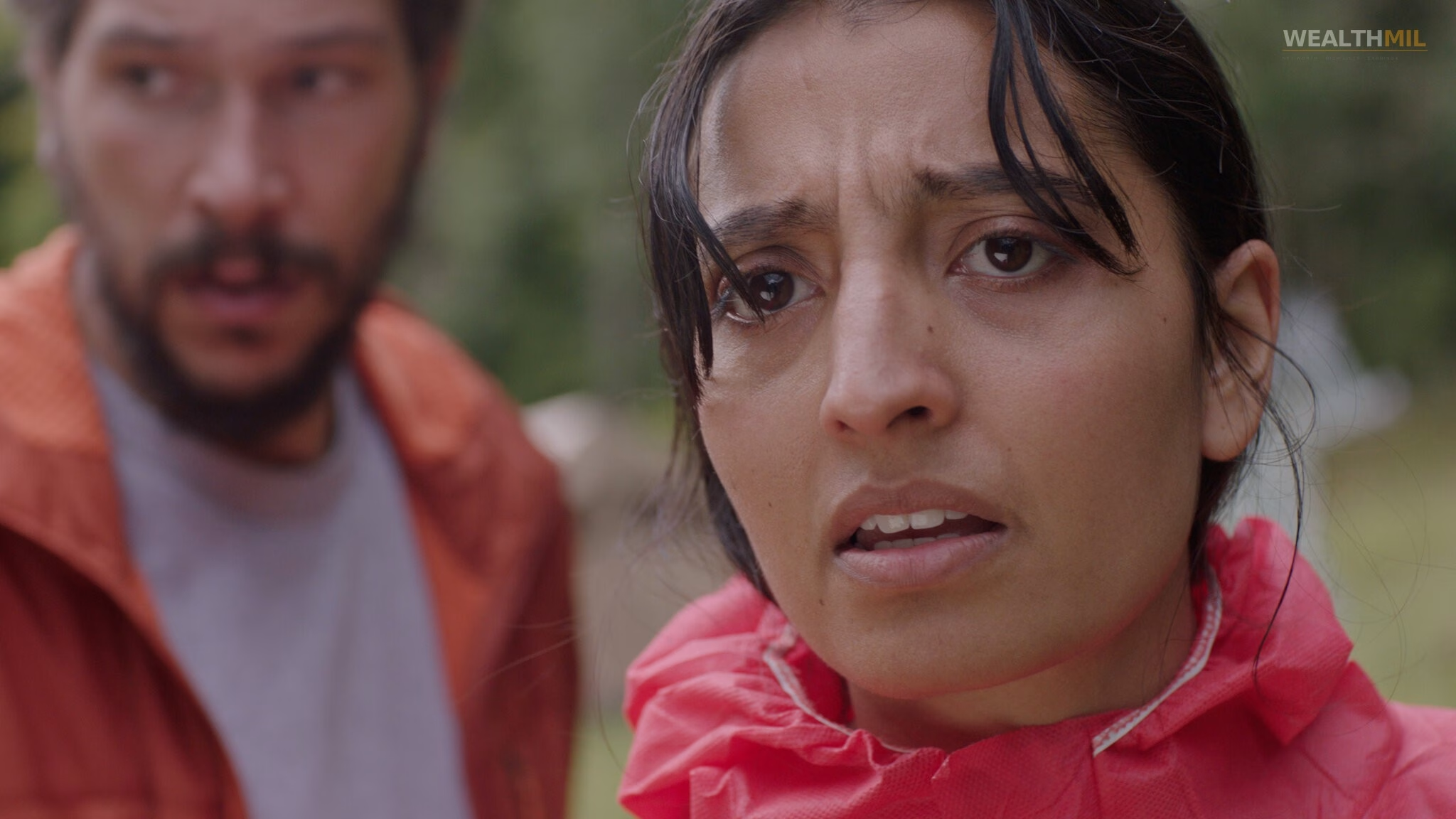
Unlike traditional horror films, the story does not follow a predictable arc. Instead, it unfolds in a fragmented and immersive way, encouraging viewers to interpret events for themselves. This approach may challenge audiences but also adds depth to the experience.
Direction and style: Ben Wheatley’s experimental approach
Ben Wheatley’s direction plays a crucial role in shaping the film’s identity. Known for his willingness to experiment, Wheatley uses unconventional techniques to create a distinctive atmosphere. His approach emphasizes mood and sensory experience over narrative clarity.
The film’s pacing is deliberately uneven, alternating between quiet moments and intense sequences. This contrast keeps viewers on edge and reinforces the unpredictability of the environment. Wheatley uses these shifts to build tension in unexpected ways.
One of the most notable aspects of the film is its visual style. The use of strobe lighting, rapid cuts, and abstract imagery creates a disorienting effect. These techniques are not typical of mainstream horror but contribute to the film’s unique identity.
Wheatley has described the film as a reflection of contemporary anxieties, particularly those related to isolation and uncertainty. This thematic focus is evident in the way the story unfolds and the choices made in its presentation.
While this experimental approach may not appeal to all viewers, it demonstrates a commitment to pushing the boundaries of the genre. For those open to unconventional storytelling, it offers a memorable experience.
Performances: Subtle acting enhances the tension
The performances in In the Earth are understated but effective. The cast focuses on realism, grounding the film’s more abstract elements in believable human reactions. This balance helps maintain emotional engagement even as the narrative becomes increasingly surreal.
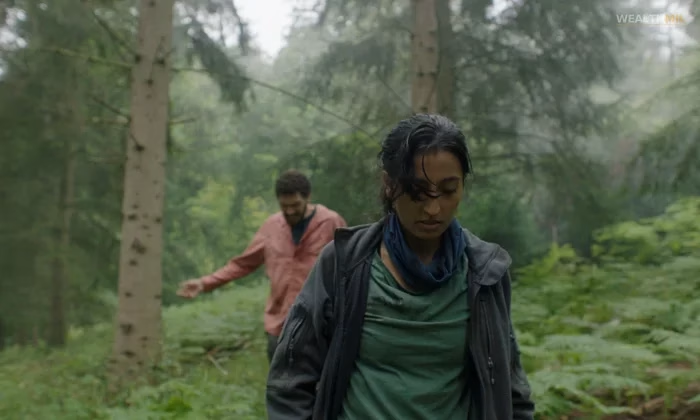
Joel Fry delivers a convincing portrayal of a scientist sterring both physical and psychological challenges. His performance captures the vulnerability and confusion of a character placed in an unfamiliar and hostile environment.
Ellora Torchia complements this with a more composed and practical presence. Her character serves as a stabilizing force, providing contrast to the escalating tension around them.
The supporting cast also contributes to the film’s atmosphere. Characters encountered in the forest add layers of unpredictability, enhancing the sense of danger and mystery.
Rather than relying on dramatic performances, the film uses subtle acting to build tension. This approach aligns with its style, emphasizing realism within a surreal context.
Themes: Nature, science, and human fragility
One of the film’s strongest aspects is its exploration of themes. In the Earth examines humanity’s relationship with nature, presenting the forest as both a resource and a force beyond human control. This perspective adds depth to the narrative.
The film also addresses the role of science in understanding the world. Characters rely on data and research, but these tools prove insufficient in the face of the unknown. This tension between knowledge and uncertainty is a recurring theme.
Isolation is another key element. The setting amplifies the characters’ vulnerability, creating a sense of disconnection from the outside world. This theme resonates strongly in the context of the film’s release period.
The concept of communication, both human and non-human, is explored in subtle ways. The idea that nature might possess its own form of intelligence adds an unsettling dimension to the story.
These themes are not presented directly but are woven into the narrative. This allows viewers to engage with the film on a deeper level, interpreting its meaning in different ways.
Cinematography and sound design: Building an immersive experience
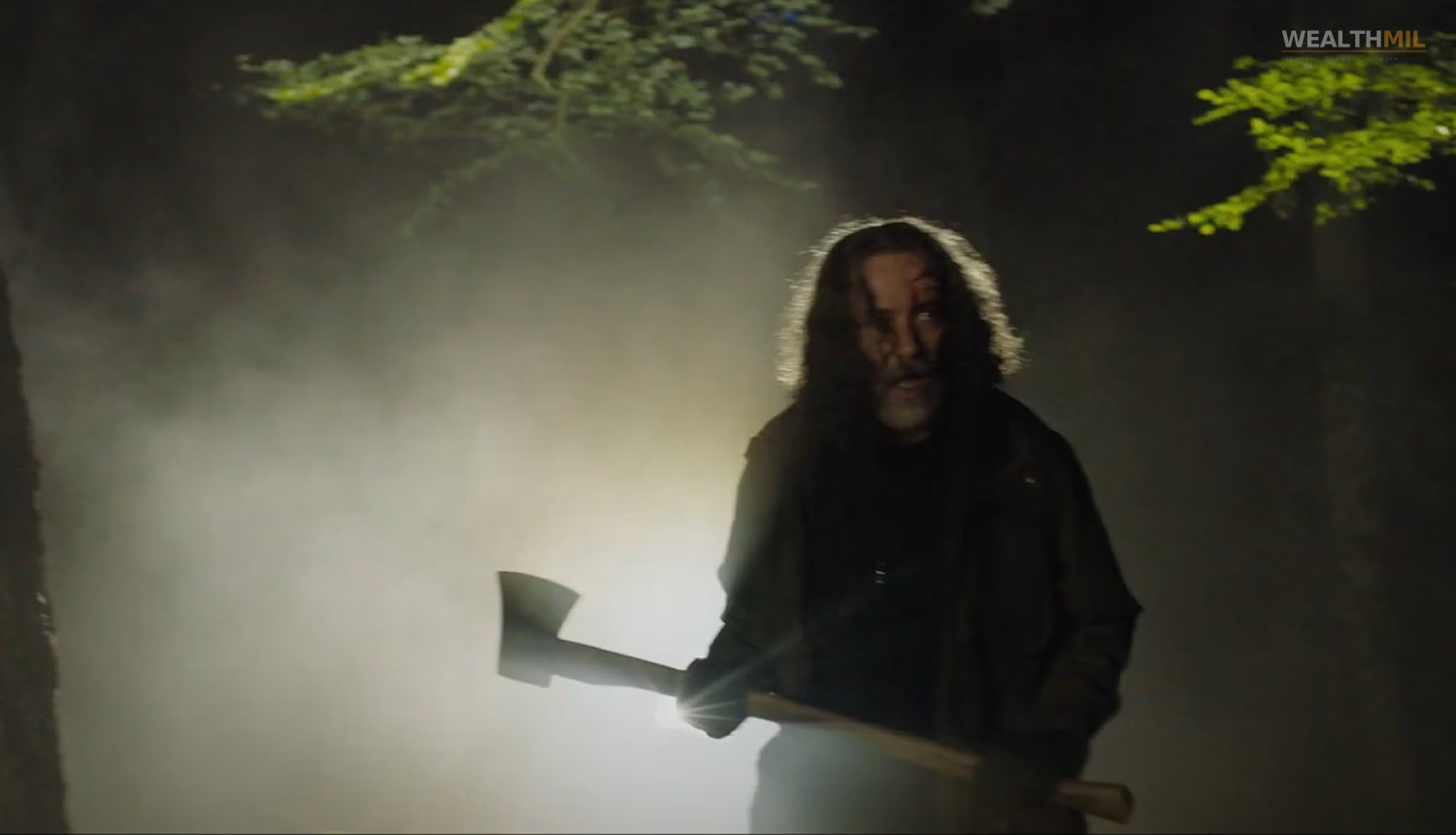
The cinematography in In the Earth plays a significant role in creating its atmosphere. The forest is captured in a way that emphasizes both its beauty and its menace. Natural lighting and detailed visuals contribute to the immersive quality of the film.
Close-up shots and handheld camera work create a sense of intimacy and tension. These techniques draw viewers into the characters’ experiences, making the environment feel immediate and unpredictable.
Sound design is equally important. The use of ambient noise, subtle effects, and sudden bursts of sound enhances the film’s psychological impact. Silence is often used effectively to build anticipation.
The combination of visuals and sound creates a sensory experience that goes beyond traditional storytelling. This approach aligns with the film’s experimental nature, making it feel more like an experience than a conventional narrative.
Critics have praised these elements for their ability to create a unique atmosphere. While the story may divide audiences, the technical execution is widely recognized as a strength.
What works: Why the film is worth watching
In the Earth succeeds in creating a distinct and memorable horror experience. Its willingness to experiment with form and style sets it apart from more conventional films in the genre.
The atmosphere is one of its strongest elements. From the opening scenes to the final moments, the film maintains a sense of unease that keeps viewers engaged. This consistency is a key factor in its effectiveness.
The thematic depth adds another layer of value. By exploring complex ideas, the film offers more than just surface-level entertainment. It encourages viewers to think about its meaning and implications.
The performances and technical elements further enhance the experience. Together, they create a cohesive and immersive film that stands out in the horror terrain.
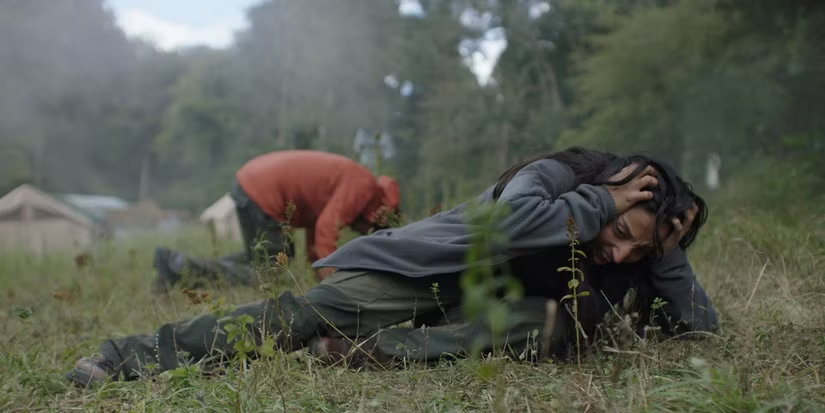
For viewers who appreciate slow-burn and experimental horror, In the Earth offers a rewarding experience. It may not be for everyone, but it delivers something genuinely different.
What may not work for all viewers
Despite its strengths, In the Earth is not without its challenges. Its abstract narrative can be difficult to follow, particularly for viewers expecting a traditional story structure.
The pacing may also be an issue. Some sequences feel deliberately slow, which can test the patience of certain audiences. This approach is intentional but may not appeal to everyone.
The experimental visuals, while effective, can be overwhelming. Strobe effects and rapid editing may be uncomfortable for some viewers. These choices contribute to the film’s identity but limit its accessibility.
Additionally, the lack of clear answers may frustrate those who prefer definitive conclusions. The film leaves many questions unresolved, which is part of its design but not always satisfying.
These elements make the film divisive. While some viewers will appreciate its ambition, others may find it difficult to connect with.
Another aspect that adds value to In the Earth is how it lingers in the viewer’s mind after the credits roll. Unlike conventional horror films that rely on immediate scares, this film builds a lasting psychological impact through its imagery and ideas.
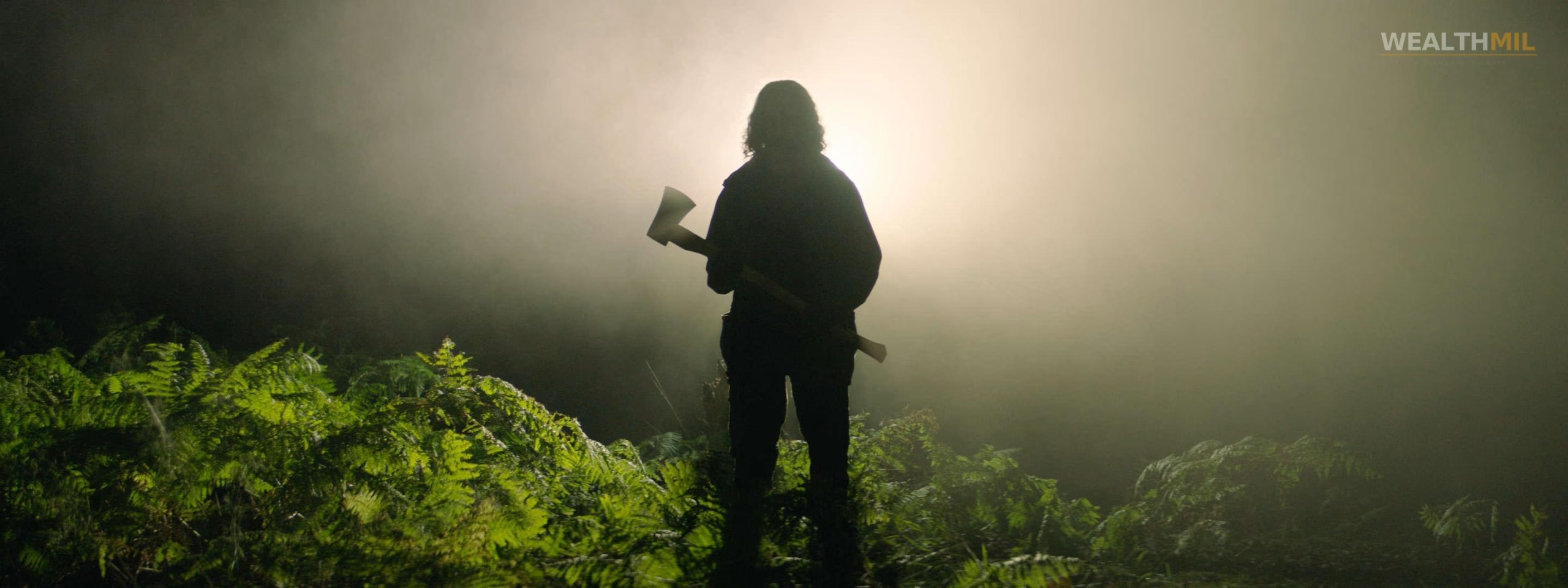
The ambiguity surrounding its events encourages discussion and multiple interpretations, making it a film that benefits from reflection or even repeat viewing. This quality gives it a kind of long-term replay value that many mainstream horror films lack. For viewers willing to engage with its deeper layers, the film offers more than just a one-time experience, evolving into something more thought-provoking over time.
In the Earth is a film that prioritizes atmosphere, themes, and experimentation over traditional storytelling. Ben Wheatley’s direction creates a unique experience that stands out in the horror genre.
Its strengths lie in its immersive visuals, thoughtful themes, and subtle performances. These elements combine to create a film that is both unsettling and intellectually engaging.
However, its abstract narrative and unconventional style may not appeal to all viewers. Those expecting a straightforward horror film may find it challenging, while others will appreciate its originality.
Ultimately, In the Earth is worth watching for its ambition and creativity. It represents a different approach to horror, one that focuses on mood and meaning rather than conventional thrills.
For fans of experimental cinema and psychological horror, it offers a compelling and memorable experience.