Jean Knight recorded a song in 1971 that would go on to define an era. “Mr. Big Stuff” was not just a hit, it was a cultural moment. Its instantly recognizable hook, confident attitude, and unmistakable groove made it one of the most iconic tracks in soul music history. Decades later, the song still plays on radio stations, streaming platforms, and film soundtracks.
But behind that success lies a more complicated financial story. Like many artists of her time, Jean Knight did not fully benefit from the long-term earnings her music generated. At the time of her passing in 2023, her net worth was estimated to be between $1 million and $2 million.
Let’s break down how Jean Knight’s biggest hit shaped her career, why her earnings did not always match her influence, and what her financial legacy ultimately looks like today.
The Birth of “Mr. Big Stuff” and Instant Fame
Jean Knight’s breakthrough came with “Mr. Big Stuff,” a track recorded in New Orleans under producer Wardell Quezergue. The song’s release in 1971 quickly turned it into a chart-topping hit.
It reached No. 2 on the Billboard Hot 100 and topped the R&B charts, making Knight a household name almost overnight. The track’s catchy rhythm and bold lyrics resonated with audiences, especially during a time when soul music was evolving into a more expressive and confident genre.
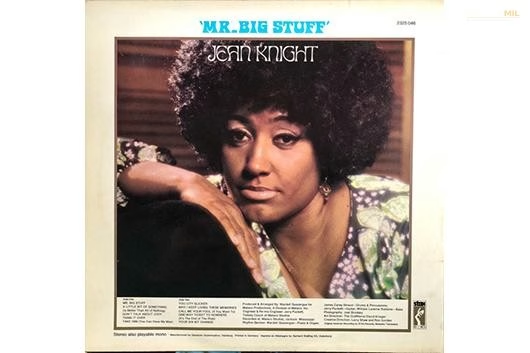
Financially, the success of “Mr. Big Stuff” generated significant short-term income. Record sales, radio play, and live performances all contributed to her earnings during this period.
However, the structure of music contracts at the time would later limit how much of that success translated into long-term wealth.
To understand Jean Knight’s net worth, it is essential to look at how the music industry operated in the 1970s. Artists often signed contracts that heavily favored record labels.
Royalties were typically low, and many artists did not retain ownership of their master recordings. This meant that even if a song became a long-term success, the majority of the revenue went to the label rather than the performer.
In Knight’s case, “Mr. Big Stuff” continued to generate income for decades through licensing and airplay. But her share of those earnings was limited by the terms of her original agreement.
This pattern was common among artists of her era. While they created timeless music, they did not always receive the financial rewards that modern artists might expect.
Career Beyond the Hit
After the success of “Mr. Big Stuff,” Jean Knight continued to release music and perform. However, she never replicated the same level of mainstream success.
This is a common challenge for artists with a defining hit. The industry often struggles to position them beyond that initial breakthrough. Despite this, Knight maintained a presence in the music scene, performing at festivals and events.
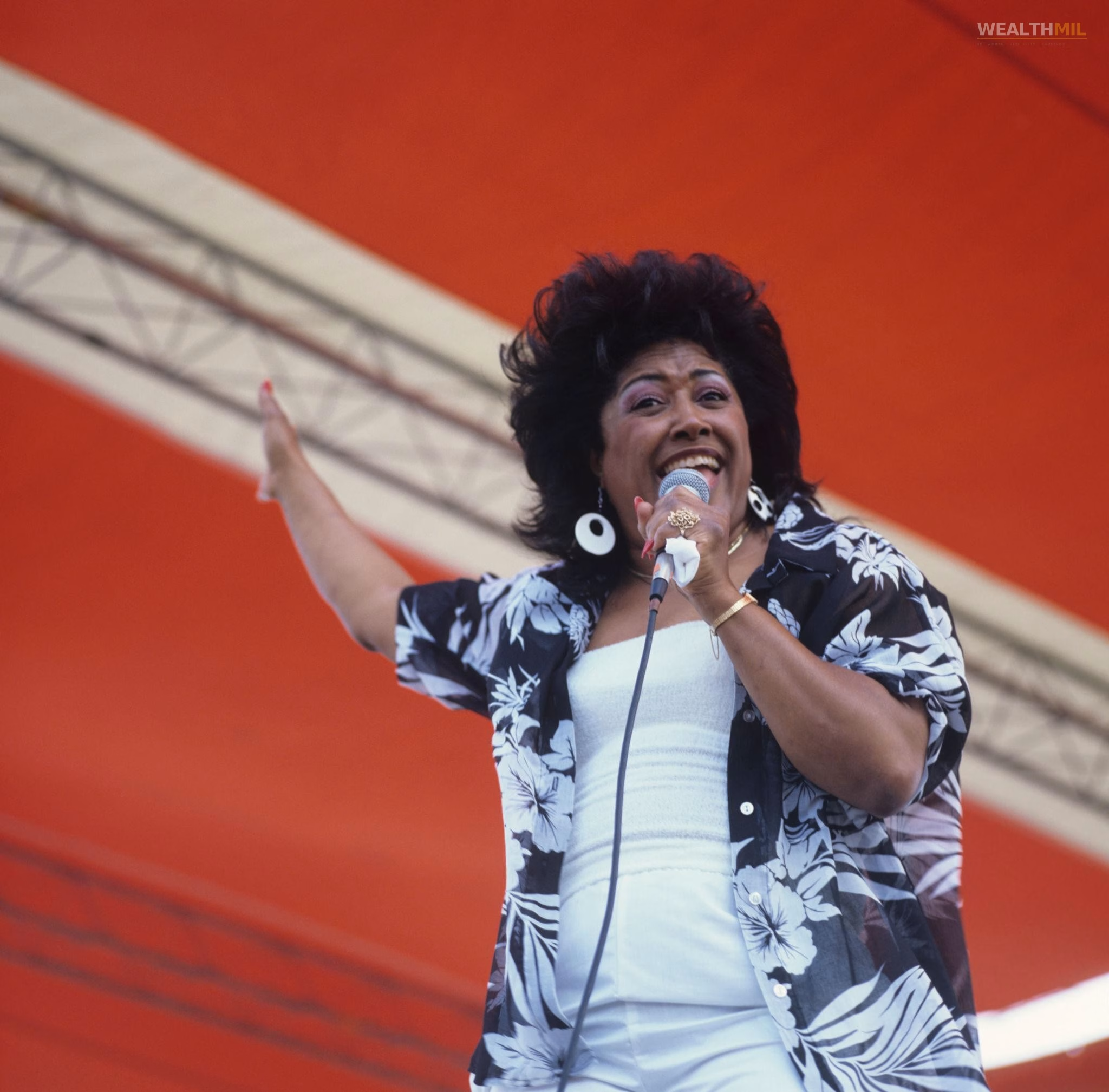
Live performances became a key source of income. Touring allows artists to monetize their legacy, connecting with fans who still appreciate their music.
While these earnings may not match the scale of a major hit, they provide a steady income stream over time.
Net Worth Breakdown and Financial Reality
At the time of her death in 2023, Jean Knight’s net worth was estimated to be between $1 million and $2 million. This figure reflects a lifetime of work in the music industry.
Her income sources included royalties from “Mr. Big Stuff,” live performances, and occasional licensing deals. However, the limitations of her original contracts significantly impacted her long-term earnings.
Compared to the cultural impact of her music, this net worth may seem modest. But it highlights a broader issue within the music industry, particularly for artists from earlier generations.
Financial success in music is not just about creating hits. It is about ownership, contracts, and long-term revenue structures.
“Mr. Big Stuff” remains one of the most recognizable songs in soul music. It has been featured in films, television shows, and advertisements, ensuring its continued relevance.
This ongoing exposure generates licensing fees and royalties. While Knight’s share may be limited, the song’s longevity still contributes to her financial legacy.
The track also ensures her place in music history. Recognition, awards, and cultural influence are forms of value that extend beyond monetary measures.
In many ways, the song’s lasting impact is as important as its financial returns.
Why Her Net Worth Reflects a Different Era
Jean Knight’s financial story is shaped by the time in which she built her career. The music industry of the 1970s operated very differently from today’s terrain.
Modern artists often have more control over their work, thanks to digital distribution and independent platforms. They can retain ownership and negotiate better deals.
In contrast, artists like Knight had fewer options. They relied on record labels for distribution and promotion, often at the cost of financial control.
This difference explains why her net worth does not fully reflect her influence. It is not a reflection of her talent or success, but of the industry structure she worked within.
Legacy Beyond Wealth
Jean Knight’s legacy goes far beyond her net worth. She contributed to a genre that shaped modern music, influencing countless artists and styles.
Her work represents a moment in time when soul music was evolving into something bold and expressive. “Mr. Big Stuff” captures that energy perfectly.
Recognition from fans and the music community continues to honor her contributions. While financial rewards are important, they are only one measure of success.

Knight’s influence on music ensures that her legacy will endure for generations.
Jean Knight’s story offers important lessons for both artists and audiences. First, it highlights the importance of understanding contracts and ownership in the music industry.
Second, it shows that success is not always measured in financial terms. Cultural impact and artistic influence can be just as significant.
Finally, it underscores the value of adaptability. While Knight did not achieve the same level of success after her initial hit, she continued to perform and connect with audiences.
These lessons remain relevant in today’s music terrain, where artists have more opportunities but still face challenges.
Jean Knight created one of the most iconic songs in soul music history. “Mr. Big Stuff” brought her fame, recognition, and a place in cultural history.
However, her financial journey reflects the realities of the music industry during her time. With an estimated net worth of $1 million to $2 million, her earnings do not fully match her influence.
Yet her story is not one of loss. It is one of lasting impact. Her music continues to resonate, ensuring that her legacy remains strong.
In the end, Jean Knight’s career shows that while wealth can fluctuate, true cultural significance endures.