Joel Glazer is one of the most powerful figures in global sports, yet he remains one of the least visible. As co-chairman of Manchester United, he helps oversee one of the most valuable football clubs in the world. Despite that influence, Glazer rarely engages publicly, rarely explains decisions, and almost never steps into the spotlight.
That silence is not accidental. It is part of a broader ownership strategy that has shaped both his wealth and the club’s trajectory. With an estimated net worth ranging between $1 billion and $1.3 billion, his financial success reflects decades of strategic ownership, revenue growth, and global brand expansion.
But that same approach has also come with a cost. Fan protests, ongoing criticism, and debates about the club’s financial structure have made Joel Glazer one of the most controversial figures in football.
Let’s break down how he built his wealth, why his low-profile approach matters, and what that silence has ultimately been worth.
The Glazer Takeover That Changed Everything
The story of Joel Glazer’s influence begins with the Glazer family’s takeover of Manchester United in 2005. Led by his father Malcolm Glazer, the acquisition cost around £800 million and was largely financed through loans secured against the club itself.
This leveraged buyout fundamentally changed the club’s financial structure. For the first time in its history, Manchester United carried significant debt, with interest payments reaching tens of millions annually.
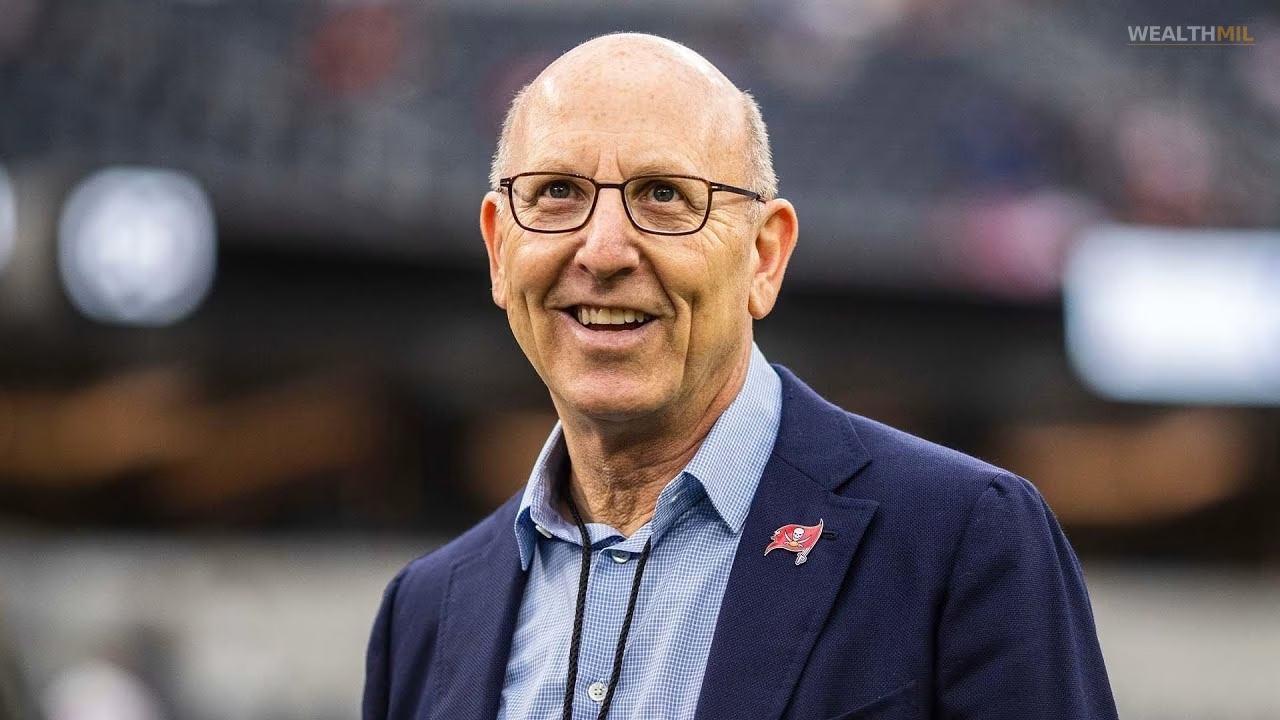
Joel Glazer, alongside his brother Avram, became central to the club’s leadership. Over time, he emerged as one of the key decision-makers, helping shape both commercial strategy and long-term planning.
Financially, the move proved extremely successful. The club’s valuation has grown dramatically, reaching billions of dollars in recent years.
However, the structure of the takeover also planted the seeds for ongoing tension with supporters.
Joel Glazer’s wealth does not come from a single source. It is part of a broader family empire built on sports ownership, real estate, and investments.
In addition to Manchester United, the Glazer family owns the Tampa Bay Buccaneers, an NFL franchise that has grown significantly in value since its purchase in 1995.
These two assets alone represent billions in combined value. Sports franchises have become some of the most valuable assets globally, driven by broadcasting rights, sponsorship deals, and global fanbases.
Manchester United, in particular, is a commercial powerhouse. Its brand generates revenue from merchandise, partnerships, and international exposure, making it one of the most profitable clubs in football.
Joel Glazer benefits directly from these revenue streams. His ownership stake ensures that he shares in the financial growth of both franchises, contributing to his billion-dollar net worth.
The Business Model Behind the Silence
One of the most striking aspects of Joel Glazer’s leadership is his silence. Unlike many club owners who engage with media or fans, he rarely makes public appearances or statements.
This approach is strategic. By maintaining a low profile, he avoids direct confrontation and keeps the focus on the business rather than the individual.
In corporate terms, this is not unusual. Many high-level executives operate behind the scenes, focusing on financial performance rather than public relations.
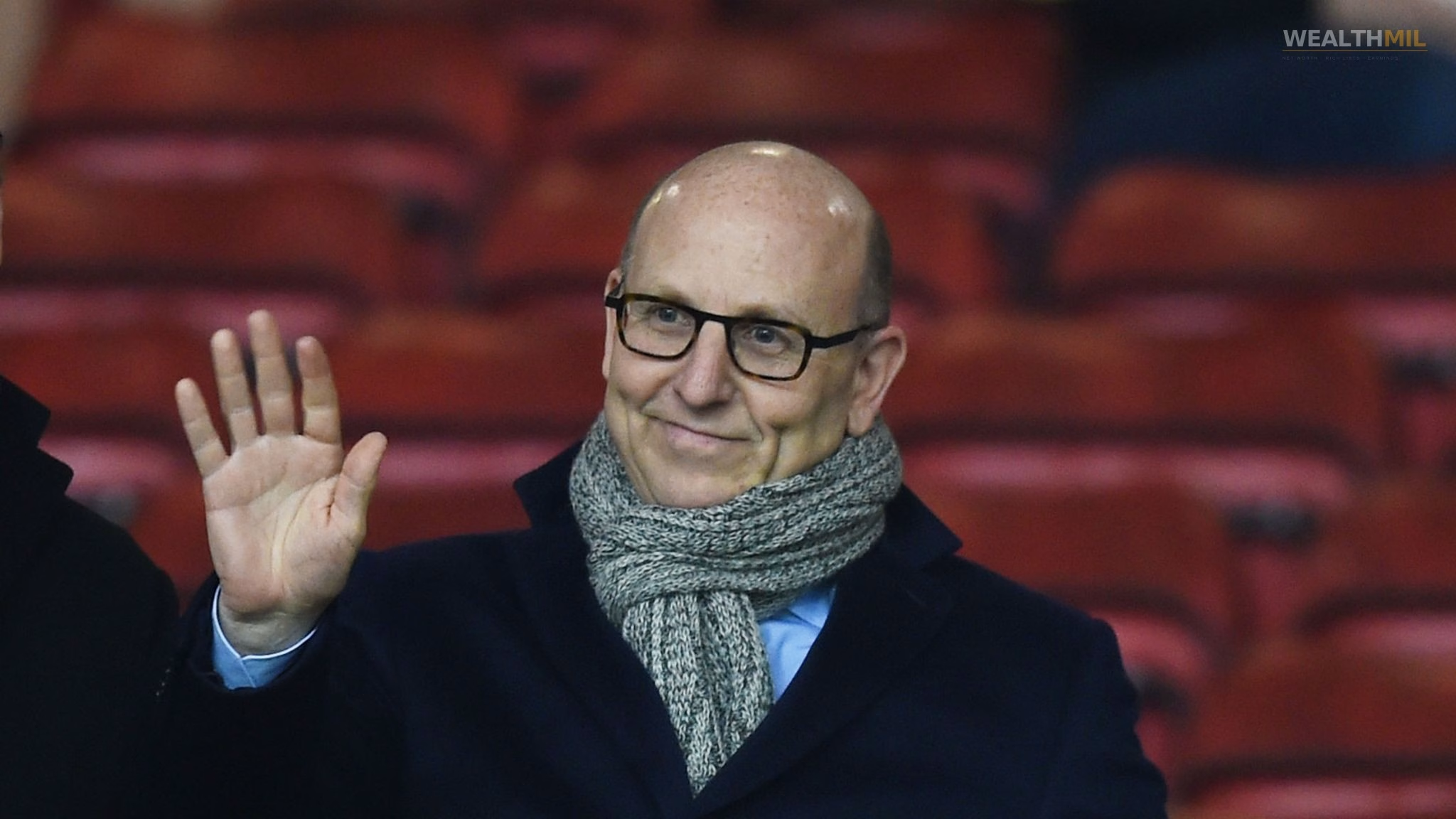
However, in football, where emotional connection and fan engagement are central, this silence stands out. It creates a disconnect between ownership and supporters.
Financially, though, the strategy has worked. The club continues to generate significant revenue, and its valuation has increased despite ongoing criticism.
One of the most controversial aspects of the Glazer ownership model is how money flows through the club. Since taking control, the family has taken regular dividends, a practice uncommon among Premier League clubs.
At the same time, Manchester United has carried significant debt, with interest payments continuing years after the initial takeover. The club has also faced criticism for infrastructure issues, including the condition of Old Trafford.
From a financial perspective, this model prioritizes returns for owners while maintaining the club as a revenue-generating asset.
For Joel Glazer, this approach has contributed to long-term wealth accumulation. Dividends, asset appreciation, and global commercial growth all add to his financial position.
For fans, however, the situation often feels different. The contrast between rising owner wealth and on-field struggles has fueled ongoing protests.
The Ratcliffe Deal and Evolving Ownership Structure
In recent years, the ownership structure of Manchester United has begun to shift. British billionaire Jim Ratcliffe acquired a minority stake in the club, gaining control over football operations.
The deal, valued at over $1 billion, reduced the Glazers’ direct involvement in day-to-day sporting decisions while allowing them to retain majority ownership.
This move reflects a strategic adjustment. By bringing in external expertise, the Glazers can focus more on the business side while addressing some of the criticisms related to performance.
For Joel Glazer, this change does not significantly impact his financial position. He still benefits from the club’s overall valuation and revenue streams.
However, it does highlight a shift in how the club is managed, potentially influencing its future trajectory.
Net Worth Breakdown and Financial Position
Joel Glazer’s net worth is estimated at around $1 billion to $1.3 billion.
This wealth is primarily derived from his stake in Manchester United and the Tampa Bay Buccaneers, along with investments in real estate and other ventures.
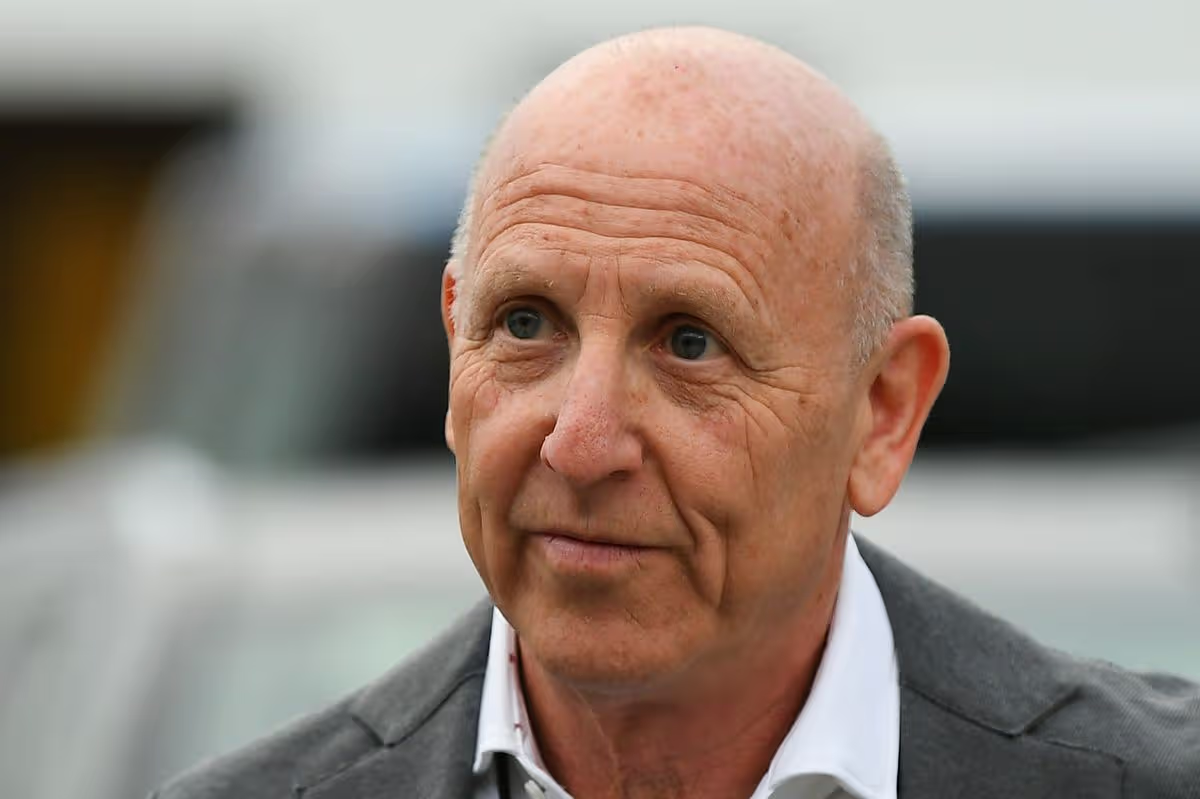
The Glazer family as a whole is worth significantly more, with combined wealth reaching into the billions.
Importantly, much of this wealth is tied to asset value rather than liquid income. Sports franchises continue to appreciate, meaning that their long-term value is often more important than short-term profits.
This asset-driven wealth model is common among billionaire owners. It allows for sustained growth while maintaining control over valuable properties.
Why His Silence Carries a Price Tag
Joel Glazer’s silence is not without consequences. While it protects him from direct scrutiny, it also intensifies criticism from fans.
Supporters often feel disconnected from ownership, particularly when major decisions are made without explanation. This disconnect has led to protests, boycotts, and ongoing calls for a full sale of the club.
In a business sense, this represents a reputational cost. Brand perception can influence sponsorships, partnerships, and long-term growth.
However, the financial impact has been limited so far. Manchester United remains one of the most valuable clubs in the world, and its global fanbase continues to drive revenue.
This dynamic highlights a key tension. Silence can protect financial strategy, but it can also erode trust.
The Broader Impact on Modern Football Ownership
Joel Glazer’s approach reflects a broader trend in sports ownership. Increasingly, clubs are treated as global businesses rather than purely sporting institutions.
This shift brings financial growth but also changes the relationship between clubs and fans. Decisions are often driven by revenue rather than tradition or emotion.
Glazer’s model, focused on commercial success and long-term asset value, is now common across elite football.
At the same time, it raises important questions about accountability and engagement. As clubs become more valuable, the expectations placed on owners continue to grow.