
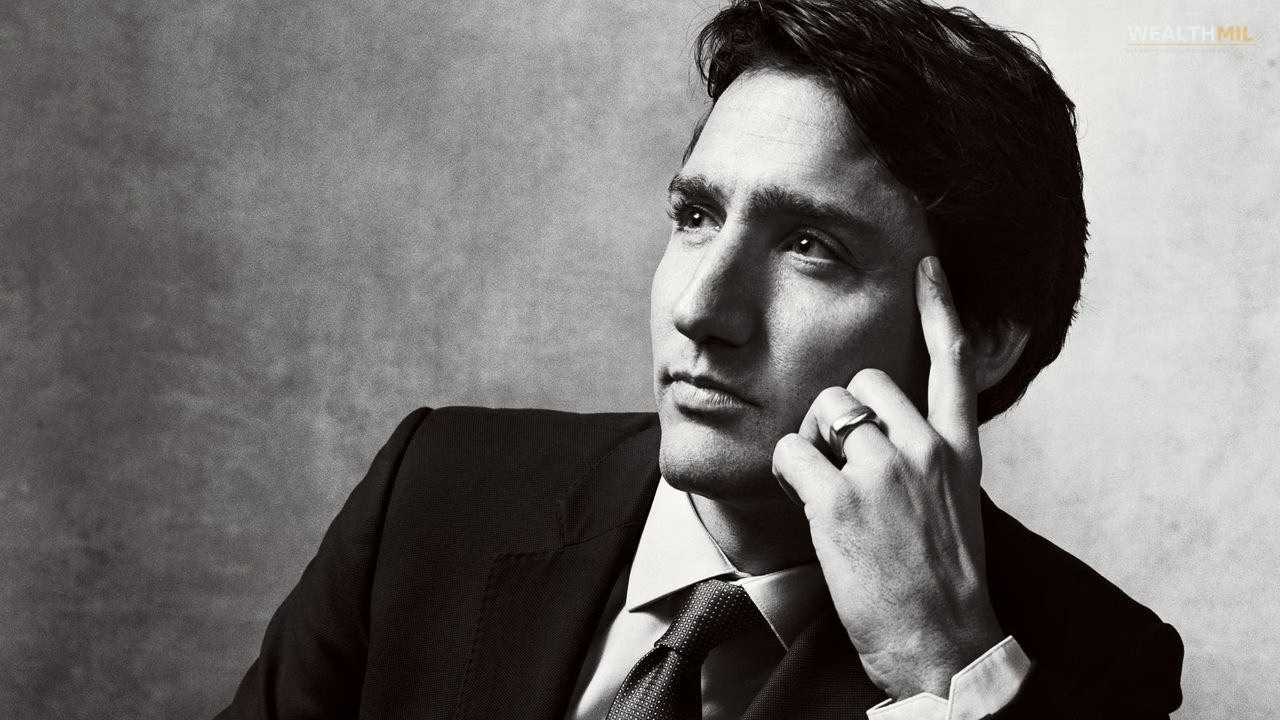
Justin Trudeau has become one of the most recognizable political figures of the modern era. Known for his progressive policies, international presence, and carefully crafted public image, Trudeau represents a new generation of leadership that blends politics with media awareness. His rise to power was not only influenced by his political decisions but also by his ability to connect with audiences both in Canada and globally.
At the same time, his net worth offers a different perspective on his career. Unlike business leaders or entertainers, Trudeau’s wealth is shaped by a mix of inheritance, public service income, and personal assets rather than private enterprise. This distinction highlights the financial realities of political life, where earnings are often transparent and regulated.
Understanding Trudeau’s net worth provides insight into how public figures in politics balance personal finances with public responsibilities. It also reflects how legacy, career choices, and leadership roles influence financial standing over time.
A political legacy shaped Justin Trudeau’s early path
Justin Trudeau’s entry into politics cannot be separated from his family background. As the son of Pierre Trudeau, he grew up in one of Canada’s most prominent political families. This legacy provided both opportunities and expectations, shaping how he approached his career.
Before entering politics, Trudeau pursued a more conventional path. He worked as a teacher, teaching subjects such as French and mathematics. This early career choice reflected a desire to establish an identity separate from his family’s political influence.
However, his eventual move into politics brought him back into the public spotlight. His background gave him a level of recognition that few first-time politicians experience. At the same time, it also meant that his career would be closely scrutinized. This combination of legacy and personal experience played a key role in shaping his leadership style. It also influenced how his financial profile developed, as inheritance became a component of his overall net worth.
Political rise and global recognition
Justin Trudeau’s political career began with his election as a Member of Parliament in 2008. Over time, he gained prominence within the Liberal Party, eventually becoming its leader. His leadership marked a shift toward a more modern and media-savvy approach to politics.
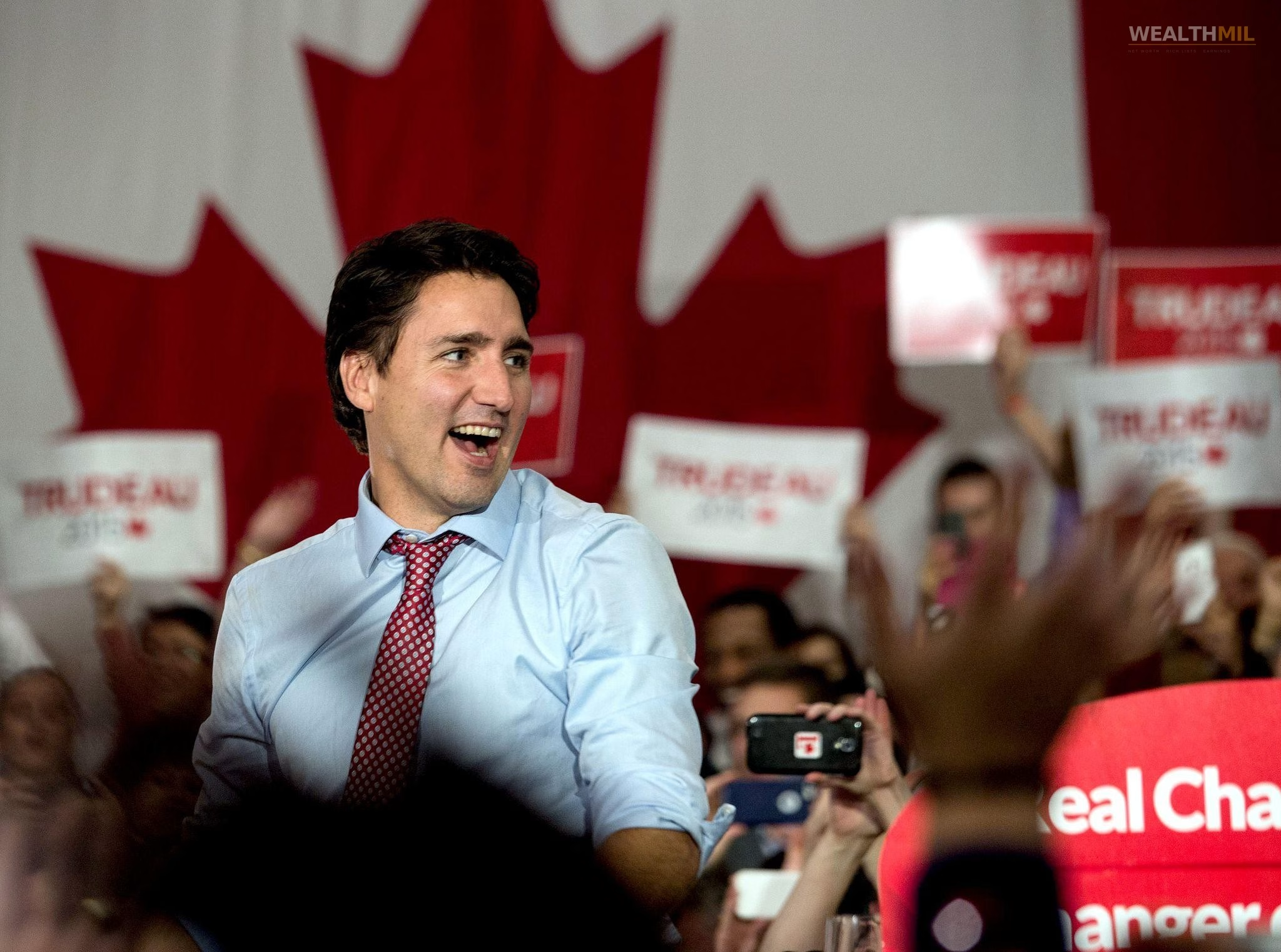
The defining moment of his career came in 2015, when he led the Liberal Party to a decisive election victory. This win made him Prime Minister and positioned him as a key figure on the global stage. His approach to leadership emphasized diversity, climate policy, and international cooperation.
Trudeau’s public image played a significant role in his rise. His communication style, public appearances, and engagement with media helped him connect with a wide audience. This visibility contributed to his reputation as a modern political leader.
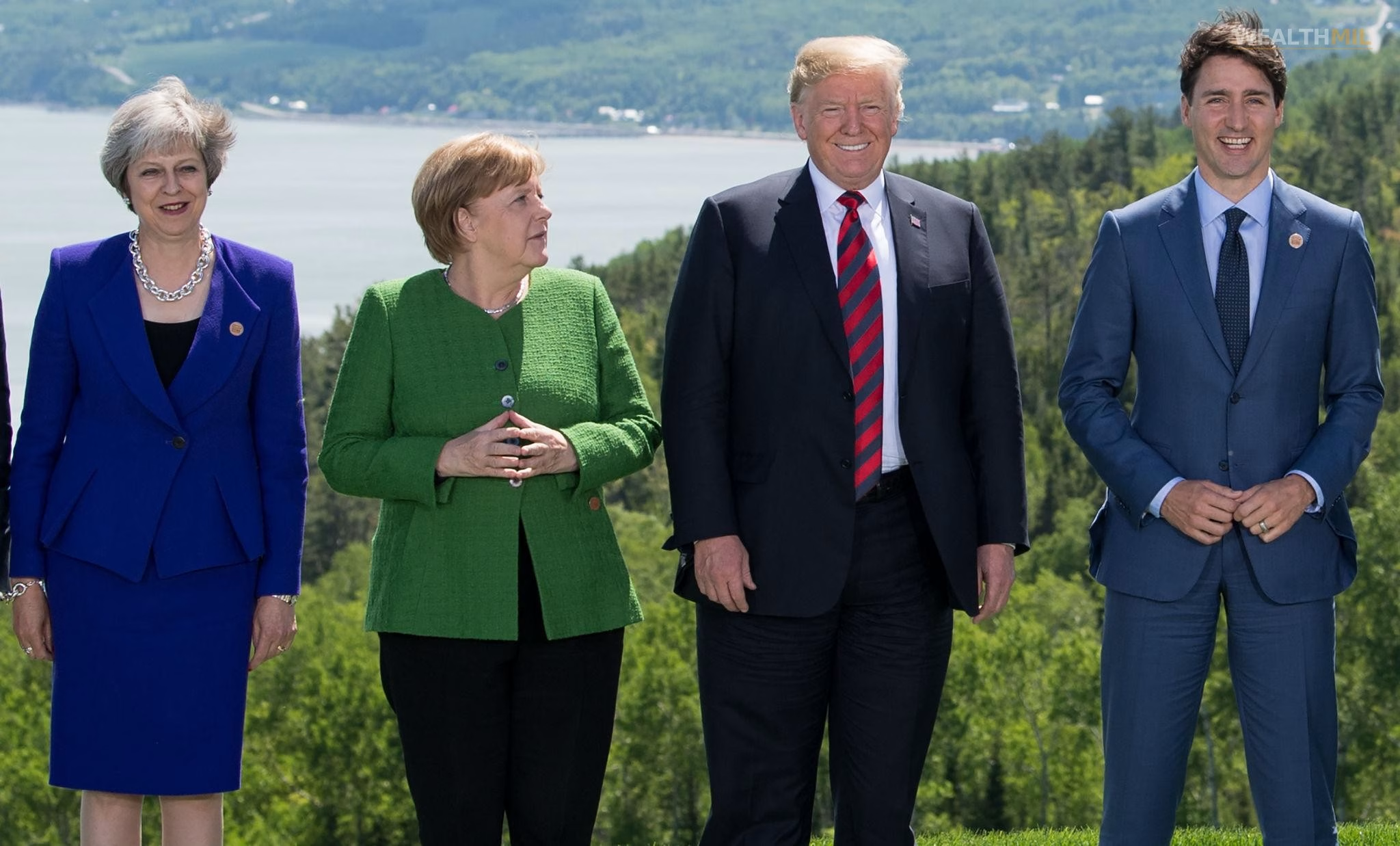
Internationally, he became known for his participation in global summits and diplomatic efforts. His presence at events such as G7 meetings reinforced his status as a prominent figure in world politics.
While political success does not directly translate into personal wealth, it significantly impacts public perception. Trudeau’s global recognition has made him one of the most visible leaders of his generation.
Justin Trudeau’s net worth reflects public service and inheritance
Justin Trudeau’s net worth is commonly estimated to be around $10 million, though figures vary depending on different financial disclosures and valuations. Unlike many public figures, his wealth is not primarily derived from business ventures or private enterprises.
A significant portion of his financial standing comes from inheritance. Following the passing of his father, Pierre Trudeau, he received assets that contributed to his net worth. These assets include investments and family properties.
As Prime Minister, Trudeau earns a government salary that is publicly disclosed. The salary for Canada’s prime minister is significantly lower than what executives or entrepreneurs in the private sector typically earn. This highlights the financial differences between political leadership and other professions.
His financial profile also includes real estate holdings and personal investments. These assets contribute to his wealth but remain subject to public scrutiny and transparency requirements.
This structure of wealth reflects the broader financial reality of political careers. Earnings are regulated, and personal finances are often disclosed to maintain public trust.
Transparency and financial disclosure in politics
One of the defining aspects of political careers is the requirement for financial transparency. Leaders like Justin Trudeau are required to disclose their assets, income, and potential conflicts of interest. This level of scrutiny ensures accountability but also limits financial flexibility.
In Canada, ethics regulations require public officials to report their financial interests. These disclosures provide insight into how politicians manage their wealth while in office. Trudeau’s financial records have been reviewed as part of this process.
Transparency can shape public perception. Voters often expect leaders to maintain ethical standards and avoid conflicts of interest. This expectation influences how politicians approach financial decisions.
For Trudeau, maintaining transparency has been an important part of his public image. While controversies have arisen during his career, financial disclosure remains a key component of political accountability.
This system highlights the contrast between political and private-sector wealth. While business leaders may have greater earning potential, politicians operate within stricter financial guidelines.
Public image and media influence
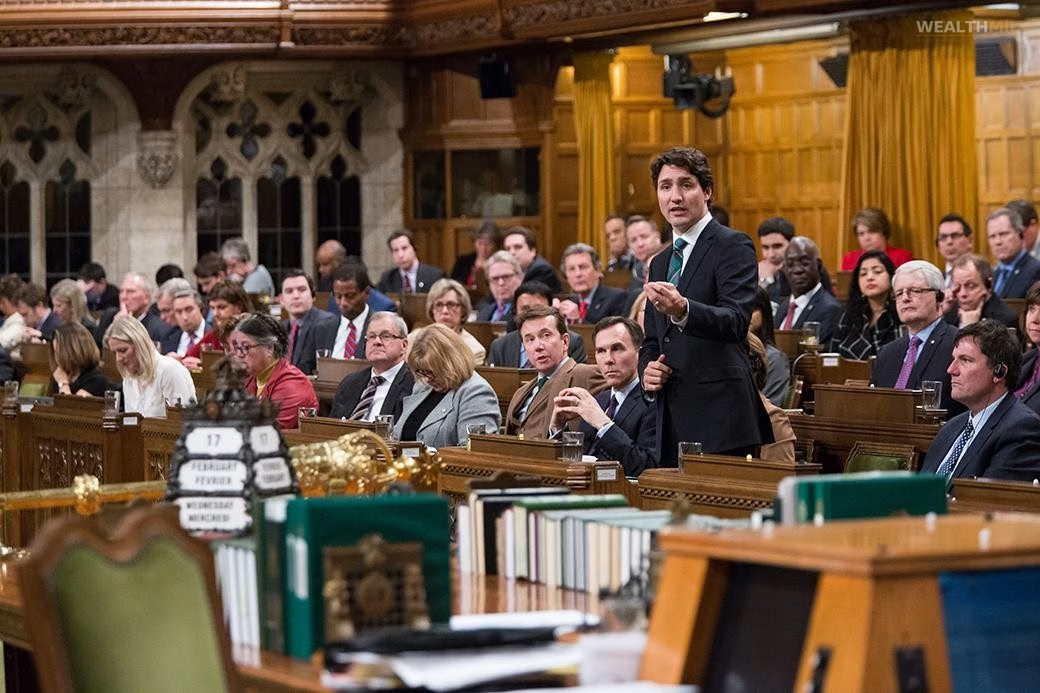
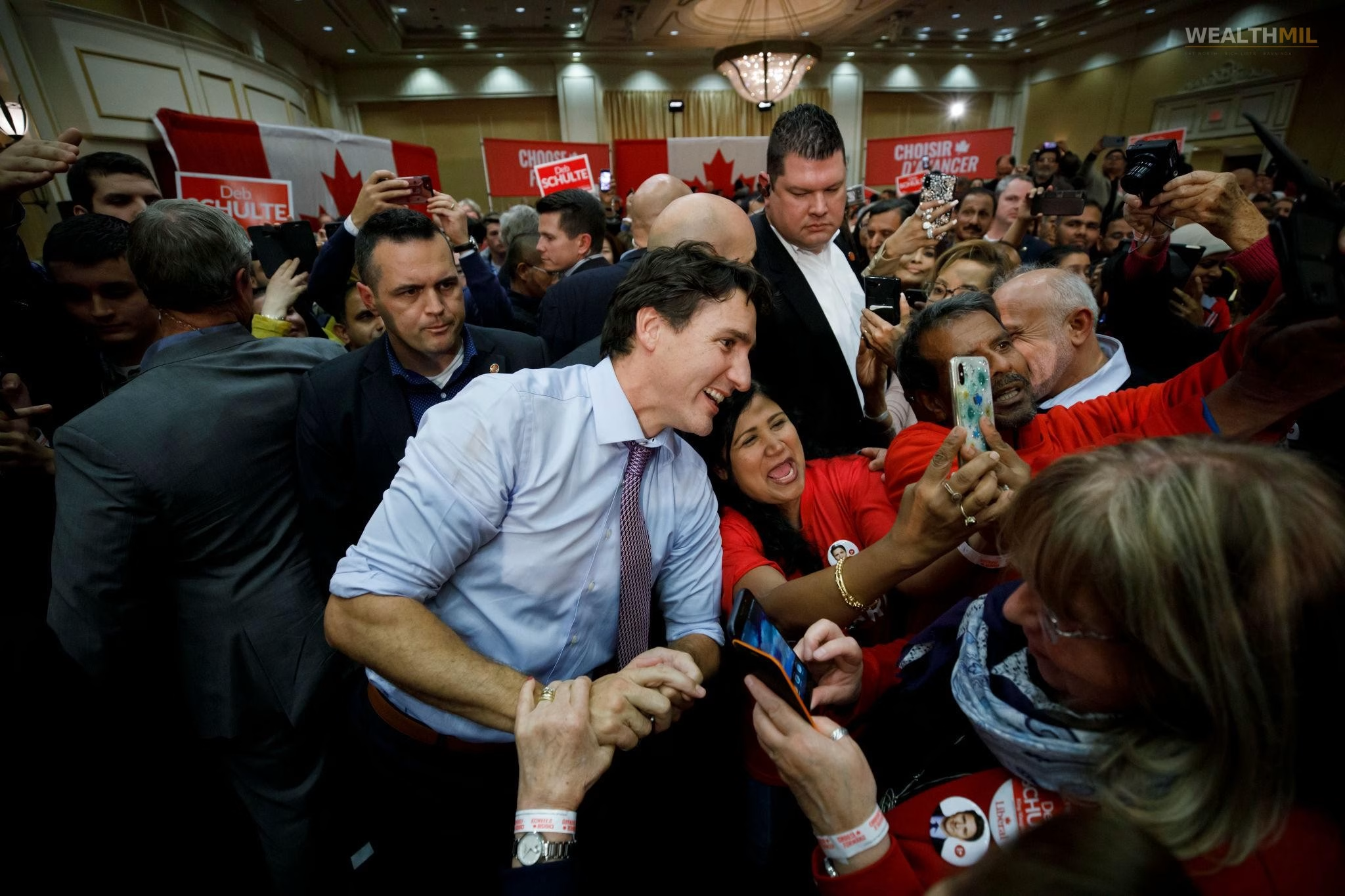
Justin Trudeau’s public image has been a central part of his political success. From his early campaigns to his time as prime minister, he has emphasized communication and accessibility. This approach has helped him connect with a diverse audience.
Media coverage has played a significant role in shaping his image. Both positive and critical reporting have contributed to how he is perceived by the public. His visibility in international media has further amplified his influence.
Trudeau’s image as a progressive leader has been reinforced through policies and public statements. Issues such as climate change, diversity, and social equality have been key components of his platform.
At the same time, public image can be a double-edged sword. High visibility often leads to increased scrutiny, which can impact both political standing and personal reputation.
Despite these challenges, Trudeau has maintained a strong presence in global discussions. His ability to navigate media dynamics has been a defining feature of his leadership.
Financial limitations of political careers
Unlike celebrities or business executives, politicians often face financial limitations. Salaries are fixed, and opportunities for additional income are restricted to avoid conflicts of interest. This structure ensures that public service remains the primary focus.
For Justin Trudeau, this means that his wealth growth is relatively stable rather than rapidly increasing. While his net worth is substantial, it does not reflect the exponential growth seen in other industries.
This limitation also influences career decisions. Politicians must balance personal financial considerations with public responsibilities. In many cases, the role requires sacrifices in terms of earning potential.
The financial reality of politics highlights the difference between public service and private enterprise. While leadership positions offer influence and recognition, they do not always provide the same level of financial reward.
Trudeau’s net worth reflects this balance. It demonstrates how political careers prioritize service and accountability over financial expansion.
The role of legacy in shaping financial standing
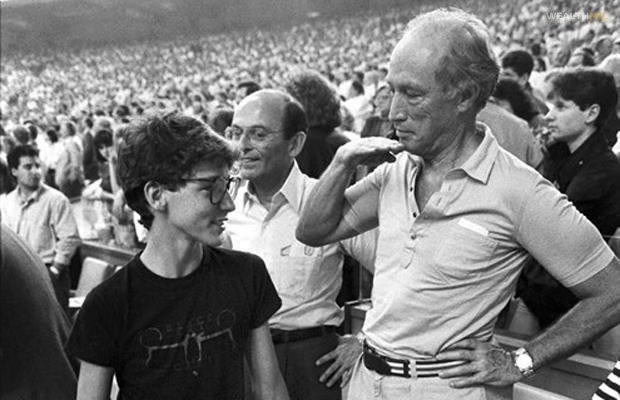
Family legacy plays a significant role in Justin Trudeau’s financial profile. As the son of a former prime minister, he inherited not only political influence but also financial assets.
This legacy provides a foundation that differs from self-made wealth. It reflects a combination of family history, investments, and long-term financial planning.
At the same time, legacy can influence public perception. Voters may view inherited wealth differently from wealth earned through business or entrepreneurship. This perception can impact political narratives.
For Trudeau, balancing legacy with personal achievements has been an ongoing challenge. His career reflects both inherited advantages and individual accomplishments.
This dynamic adds complexity to his financial profile. It shows how wealth in politics is often shaped by factors beyond direct earnings.
Justin Trudeau’s net worth reflects influence beyond finances
Justin Trudeau’s financial standing is only one aspect of his broader influence. As a political leader, his impact extends far beyond personal wealth. Policies, decisions, and international relationships define his legacy more than financial metrics.
His role as prime minister involves responsibilities that go beyond individual gain. Leadership decisions affect millions of people and shape national and global outcomes.
This perspective highlights the difference between wealth and influence. While net worth provides a measure of financial standing, it does not fully capture the scope of political impact.
Trudeau’s career demonstrates how public service can create a different kind of legacy. Influence is measured not just in financial terms but in contributions to society and governance.
Understanding this distinction is essential when evaluating political figures. It provides a more comprehensive view of their role and achievements.
Justin Trudeau built a modern political identity with lasting impact
Justin Trudeau’s journey reflects the complexities of modern political leadership. From his early life shaped by legacy to his rise as a global figure, he has built a career that combines visibility, influence, and responsibility.
His net worth offers insight into the financial realities of politics. It highlights how wealth is shaped by inheritance, public service, and regulated earnings rather than private enterprise.
At the same time, his public image and leadership style have contributed to his long-term relevance. By adapting to changing expectations, he has maintained a strong presence in global discussions.
Ultimately, Trudeau’s story is about more than finances. It is about the balance between personal background, public service, and the evolving nature of leadership in the modern world.
His net worth reflects one part of that story, but his influence extends far beyond numbers, shaping how political leadership is perceived in the 21st century.