LeBron James is adding another major business deal to his record-breaking basketball career. The NBA veteran reportedly stands to earn nearly four times more from his partnership with prediction-market platform Polymarket than from his playing contract with the Philadelphia 76ers this season.
According to a report published by Sportsnaut on October 17, 2026, James’ Polymarket agreement is worth a reported $15 million per year. Meanwhile, his two-year contract with Philadelphia is worth approximately $8 million, with the salary split across the 2026-27 and 2027-28 seasons.
James agreed to join the 76ers in July, marking his fourth NBA franchise and the beginning of his 24th professional season. The relatively modest contract stands in contrast to his long history of lucrative NBA salaries and endorsement agreements.
POLYMARKET DEAL OUTPACES LEBRON JAMES’ NBA SALARY
James is expected to earn approximately $3.9 million from his 76ers contract during the 2026-27 season, followed by around $4.1 million in 2027-28. His reported $15 million annual Polymarket partnership therefore represents a substantially larger source of income than his basketball salary this year.
The agreement follows James’ previous partnership with DraftKings, which reportedly ended during the summer of 2026. Under the new arrangement, James will promote Polymarket through an ongoing series of content and social media commitments.
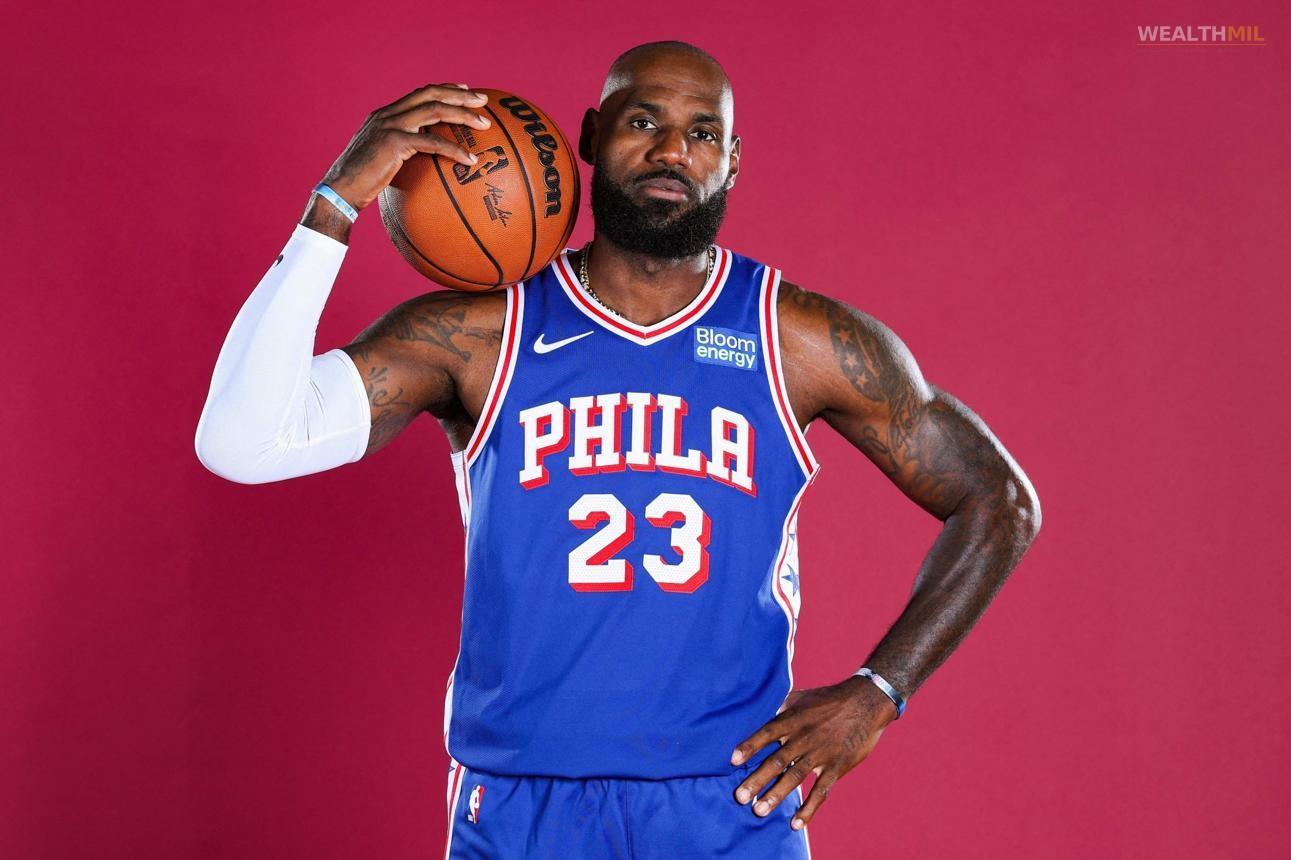
The deal is described as an endorsement partnership rather than an investment in the company. The reported agreement also focuses on football-related promotional content instead of basketball, broadening James’ commercial presence beyond the NBA.
The financial difference between James’ playing salary and endorsement income highlights how established NBA stars can earn substantial money outside basketball. James has accumulated more than $581 million in career NBA salary, according to the original report, while building a portfolio of commercial partnerships over his career.
However, his association with Polymarket also raises questions about professional sports and prediction markets. Although these platforms allow users to trade contracts based on the outcomes of future events, their similarities to sports betting have attracted scrutiny.
According to Front Office Sports, James’ promotional responsibilities will focus on football rather than basketball. He is reportedly an endorser, not an investor in the platform.
James’ agreement comes amid wider concerns about gambling-related partnerships across professional and college sports. Players have faced disciplinary action for gambling violations, and the expansion of betting-related products has raised questions about integrity and responsible participation.
Prediction-market platforms operate under a different regulatory framework from traditional sportsbooks in some jurisdictions, but that distinction does not eliminate concerns about how consumers engage with them.
For James, the reported $15 million annual agreement represents a lucrative addition to his business portfolio. For the wider sports industry, it adds another example of the growing relationship between athletes and prediction-market companies.