Matthew Stevens has long been regarded as one of the most consistent and technically gifted players in professional snooker. While he may not always dominate headlines like some of his contemporaries, his career tells a deeper story of resilience, longevity, and high-level competition. Over the years, he has faced the very best in the sport, reaching major finals and maintaining a steady presence on the professional circuit.
That sustained competitiveness is also reflected in his financial journey. Unlike players who rely on short bursts of success, Stevens has built his net worth through years of tournament appearances, prize money, and professional consistency. Let’s break down how Matthew Stevens built his career, where his earnings come from, and what his net worth reveals about long-term success in snooker.
Early Career and Rapid Rise in Snooker
Matthew Stevens turned professional in 1994, quickly establishing himself as one of the most promising young players in the sport. According to snooker records and coverage from World Snooker Tour and BBC Sport, he began climbing the rankings at a rapid pace during the late 1990s. His natural talent and calm playing style helped him stand out among emerging players.
By the end of the decade, Stevens had already broken into the top ranks of professional snooker. His performances in ranking tournaments showed that he could compete with established stars. This early success laid the foundation for both his career achievements and financial growth.
Financially, this period marked the beginning of steady earnings. While prize money was still developing compared to modern standards, consistent tournament participation ensured a reliable income. His rise in rankings also led to more opportunities in higher-paying events.

Breakthrough Moments and Major Finals
Matthew Stevens’ career reached new heights in the early 2000s when he began making deep runs in major tournaments. One of his most notable achievements came in 2000 when he won the UK Championship, defeating Stephen Hendry in the final. This victory marked his arrival as a top-tier player.
He also reached the World Snooker Championship final twice, in 2000 and 2005. Although he finished as runner-up on both occasions, these appearances significantly boosted his reputation. BBC Sport and World Snooker coverage often highlight these finals as defining moments in his career.
These performances had a direct impact on his earnings. Major tournament finals offer substantial prize money, and reaching them consistently increases a player’s financial standing. Stevens’ ability to compete at this level ensured steady income growth during his peak years.
Matthew Stevens Net Worth 2026: Built on Consistency
Matthew Stevens’ estimated net worth in 2026 is believed to be between $5 million and $8 million, based on career prize money, endorsements, and long-term participation in professional snooker. While exact figures vary, this range reflects decades of consistent competition.
What makes his net worth notable is the way it was built. Unlike players who achieve massive earnings from a few dominant years, Stevens accumulated wealth gradually. His steady presence in tournaments ensured continuous income over time.
His net worth also reflects longevity. Remaining competitive in professional snooker for decades requires discipline and adaptability. This sustained career has allowed him to build a stable financial foundation.
Prize Money and Tournament Earnings

The primary source of Matthew Stevens’ income has always been prize money from tournaments. Snooker operates on a merit-based system, where players earn based on performance. Stevens’ consistent results ensured regular earnings throughout his career.
Winning the UK Championship and reaching World Championship finals contributed significantly to his income. These events offer some of the highest prize funds in the sport. Even in years without major titles, his steady performances in ranking tournaments provided reliable earnings.
Over time, prize money in snooker has increased, benefiting players who remain active. Stevens’ longevity allowed him to take advantage of these rising rewards. This combination of consistency and timing played a key role in his financial growth.
Ranking Stability and Long-Term Earnings
One of the defining aspects of Matthew Stevens’ career is his ability to remain within the professional ranks for an extended period. Maintaining a position on the tour ensures access to tournaments and prize money opportunities. This stability is crucial for financial success in snooker.
Reports from World Snooker Tour highlight how experienced players often rely on consistency rather than dominance. Stevens exemplifies this approach, regularly qualifying for events and competing against top players. This steady participation creates a continuous income stream.
Ranking stability also impacts sponsorship opportunities. Players who remain visible on the tour are more likely to attract endorsements. While not as prominent as in other sports, these deals still contribute to earnings.
Comparing His Career to Snooker Legends

Matthew Stevens’ career often gets compared to that of snooker legends like Ronnie O’Sullivan and John Higgins. While he may not have achieved the same level of dominance, his consistency places him among the sport’s most respected players. His ability to compete with top-tier opponents over many years is a significant achievement.
Financially, this difference in dominance is reflected in net worth. Players with multiple world titles tend to earn more through prize money and endorsements. However, Stevens’ steady career ensures a strong financial position despite fewer major titles.
His journey highlights an important aspect of professional sports. Success is not always defined by championships alone. Longevity and consistent performance can also lead to substantial financial rewards.
Endorsements and Off-Table Earnings
In addition to prize money, Matthew Stevens has earned income through endorsements and exhibition matches. While snooker does not offer the same level of commercial opportunities as global sports like football, established players still benefit from brand partnerships.
Exhibition matches and appearances also contribute to earnings. Experienced players often participate in events that showcase their skills to fans. These opportunities provide additional income beyond tournament winnings.
His reputation as a respected and skilled player enhances these opportunities. Brands and event organizers prefer athletes with credibility and professionalism. Stevens’ long career has helped him build that reputation.
Challenges and Career Resilience
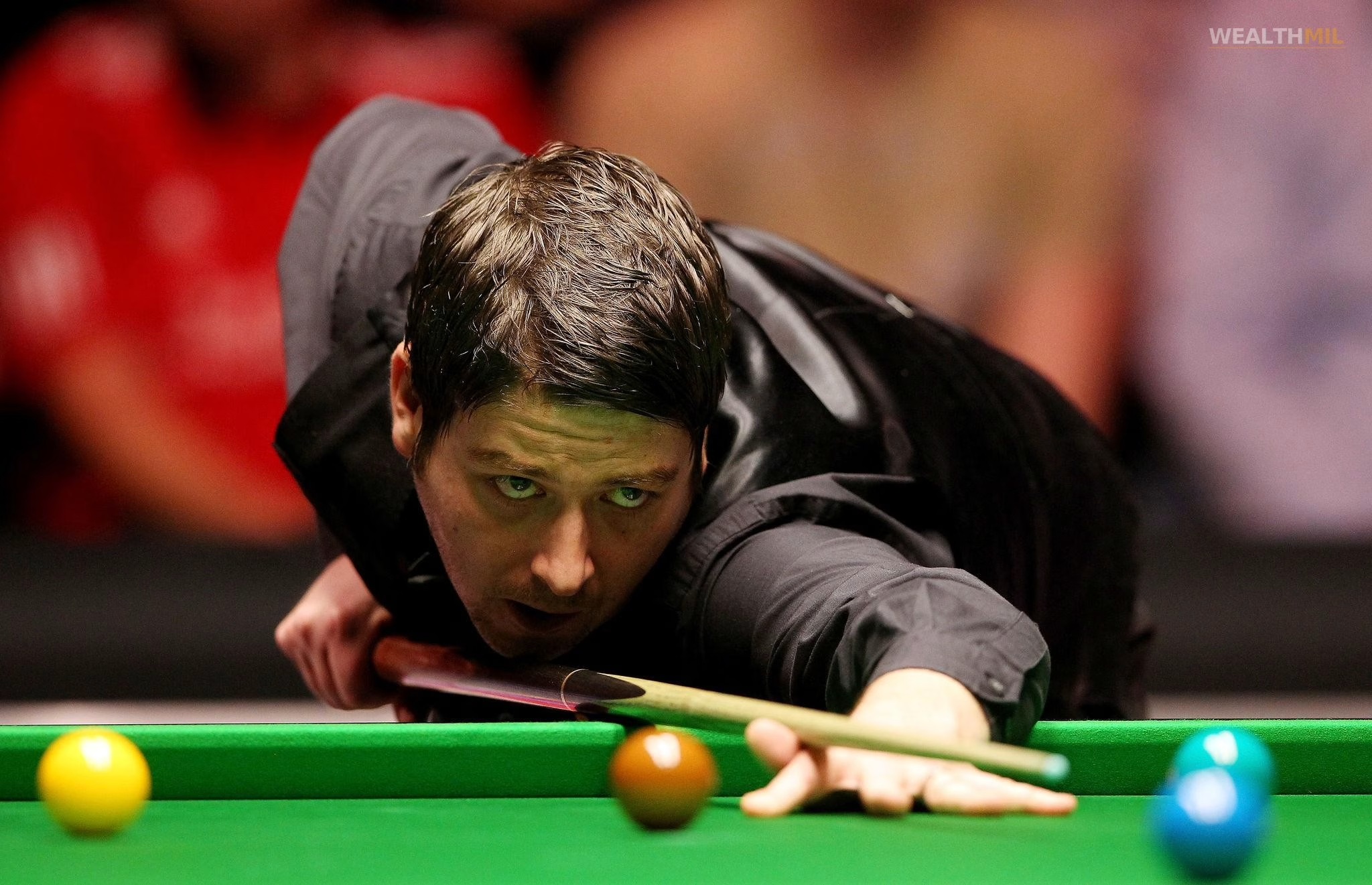
Like many professional athletes, Matthew Stevens has faced challenges throughout his career. Form fluctuations and increasing competition have tested his consistency. However, his ability to adapt has allowed him to remain active on the tour.
BBC Sport coverage often highlights how experienced players rely on mental strength as much as technical skill. Stevens’ resilience has been a key factor in maintaining his career. This ability to navigate challenges contributes to long-term financial stability.
Resilience also affects earnings. Players who can recover from setbacks are more likely to continue earning prize money. Stevens’ career demonstrates how persistence can sustain both performance and income.
Why Longevity Matters in Snooker
Longevity is one of the most important factors in building wealth in snooker. Unlike sports with guaranteed contracts, players rely on performance-based earnings. This makes consistency over time crucial for financial success.
Matthew Stevens’ career is a strong example of this principle. By remaining competitive for decades, he has accumulated earnings steadily. This approach reduces reliance on a few high-paying events.
Longevity also enhances reputation. Players who stay active for long periods build strong connections with fans and the sport itself. This recognition can lead to additional opportunities and income streams.
The Evolution of Snooker and Its Financial Impact

The financial terrain of snooker has evolved significantly during Matthew Stevens’ career. Prize money has increased, and the sport has expanded globally. These changes have created new opportunities for players.
Stevens’ long career allowed him to benefit from this evolution. Early in his career, earnings were more limited, but later years offered higher rewards. This progression contributed to his net worth.
The growth of international tournaments also increased visibility. Competing in global events exposes players to wider audiences. This exposure can lead to additional financial opportunities.
Future Prospects and Continued Influence
Even as his career progresses, Matthew Stevens continues to have a presence in professional snooker. His experience and skill ensure that he remains competitive. Continued participation can add to his earnings over time.
There is also potential for involvement beyond playing. Many retired players transition into coaching, commentary, or ambassador roles. These opportunities can provide additional income and maintain their connection to the sport.
Stevens’ reputation positions him well for such roles. His long career and respect within the snooker community make him a valuable figure in the sport. This influence could extend his financial growth beyond active competition.
Another often overlooked factor in Matthew Stevens’ financial journey is the role of professionalism and reputation within the snooker circuit. Over the years, he has built a name not just as a skilled player, but as a respected competitor who consistently conducts himself with discipline and focus.
This kind of reputation can influence invitations to exhibition matches, media appearances, and sponsorship opportunities, all of which contribute to long-term earnings. In a sport where margins are tight and competition is intense, being seen as reliable and professional adds value beyond results alone. It reinforces how sustained credibility can quietly strengthen both a player’s career and financial stability.
Matthew Stevens’ journey in professional snooker highlights the importance of consistency, resilience, and long-term commitment. His net worth of $5 million to $8 million reflects decades of steady competition rather than short bursts of dominance. Each tournament, final appearance, and victory contributed to a strong financial foundation.
His story stands out because it emphasizes longevity over headline success. By remaining active and competitive for years, he built a career that continues to generate value. In a sport where performance directly impacts earnings, Matthew Stevens proves that consistency can be just as powerful as winning titles.