More than a year after waiving Damian Lillard, the Milwaukee Bucks are still committed to paying the former All-Star guard a substantial portion of his contract.
The decision, made in the summer of 2025 to create cap flexibility and sign center Myles Turner, continues to impact the franchise’s payroll as Lillard recovers from a torn Achilles tendon.
Damian Lillard remains a major financial commitment for Milwaukee
According to the terms of the waived contract, the Bucks still owe Lillard approximately $90 million, which will be paid in annual installments of $22.5 million through 2029. The arrangement stems from the NBA’s waived-and-stretched contract rules, allowing Milwaukee to spread the remaining salary cap hit over multiple seasons.
Lillard joined the Bucks before the 2023-24 NBA season in a blockbuster trade that paired him with two-time MVP Giannis Antetokounmpo. While the partnership generated significant expectations, Milwaukee was eliminated in the first round of the playoffs in both of Lillard’s seasons with the team. His 2025 campaign ended prematurely after he suffered a torn Achilles during the postseason, an injury that sidelined him for the entire following season.
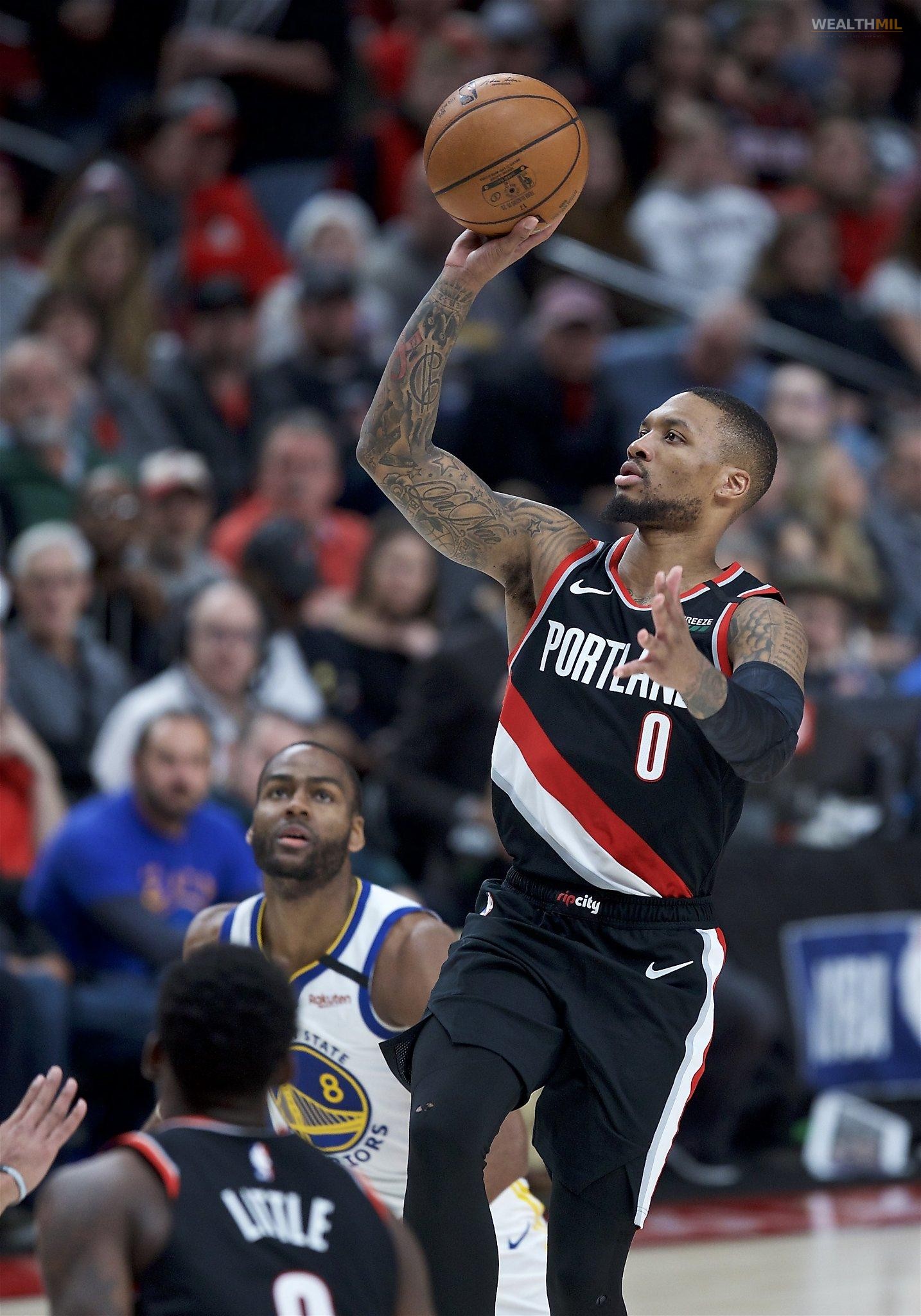
Despite no longer being on Milwaukee’s roster, Lillard remains one of the franchise’s highest-paid players for the 2026-27 season. Only Tyler Herro and newly acquired center Myles Turner are scheduled to earn more from the Bucks’ payroll.
The veteran guard is also receiving a salary from the Portland Trail Blazers, the team where he spent the first 11 seasons of his NBA career. After being waived by Milwaukee, Lillard signed a three-year, $41 million contract to return to Portland, giving him roughly $13.3 million annually from the Trail Blazers while continuing his rehabilitation.
The combined earnings mean Lillard is set to receive nearly $39 million during the season despite not appearing in an NBA game as he works toward a return. His situation highlights both the financial flexibility provided by NBA contract rules and the long-term impact of major roster decisions on a team’s salary cap.