
Most Valuable Promotions (MVP) is entering the mixed martial arts space with a bold statement on fighter pay, positioning its debut Netflix event as a direct challenge to the UFC’s long-criticized compensation model. Ahead of the May 16 card at the Intuit Dome in Los Angeles, MVP executives outlined a structure that guarantees every fighter at least $40,000, regardless of the outcome.
The announcement, detailed during an appearance on The Ariel Helwani Show, has quickly become one of the most talked-about aspects of the event, shifting focus from just the fights to the broader issue of how fighters are paid.
Guaranteed pay model sets MVP apart
Unlike traditional MMA promotions, MVP’s structure eliminates the typical “show and win” split, where fighters only receive their full payout if they win. Instead, every athlete on the card is guaranteed a minimum of $40,000, even in defeat.
“That’s all guaranteed,”
MVP co-founder Nakisa Bidarian said during the interview.
“And then every fighter has a performance bonus in addition to that.”
This model is designed to provide financial stability for fighters, particularly those lower on the card who often rely on win bonuses to make a sustainable income.
In comparison, entry-level UFC fighters typically earn around $12,000 to show and $12,000 to win, making MVP’s baseline significantly higher.
Revenue share promises shift toward fighters
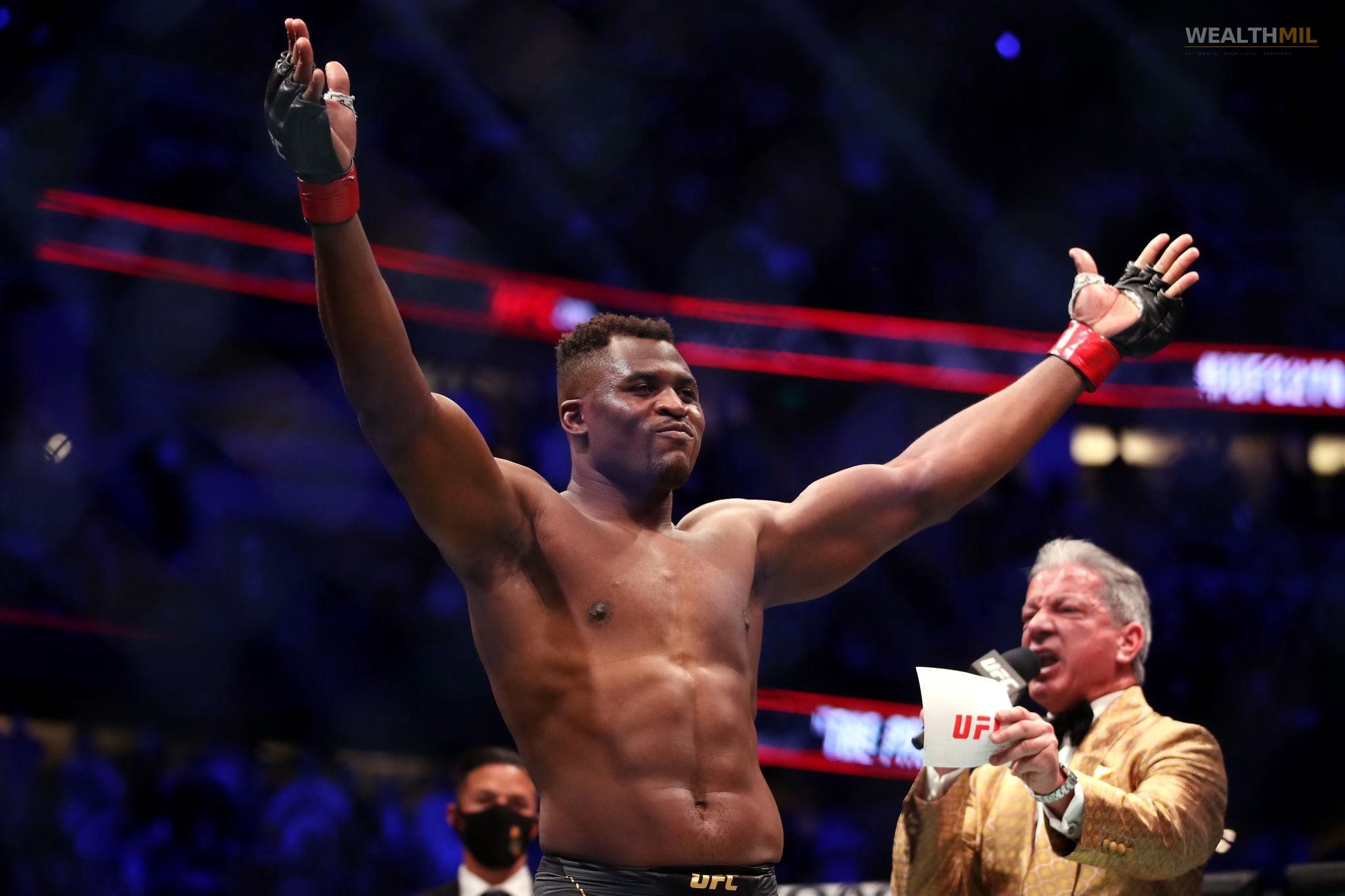
Beyond guaranteed pay, MVP is also emphasizing a more favorable revenue split for athletes. According to Bidarian, fighters will receive more than 50% of the event’s revenue, a stark contrast to industry norms.
“[The revenue share] is much higher than 50% to the fighters,”
he said.
“Our objective is not to lose money… but it’s really about putting the money back into the pockets of the fighters.”
This approach directly challenges the UFC’s model, where fighters are estimated to receive around 18–20% of total revenue based on public reports and athlete statements.
By prioritizing a higher share for fighters, MVP is positioning itself as a more athlete-focused promotion, potentially setting a new benchmark for the industry.
Star-studded card amplifies the message
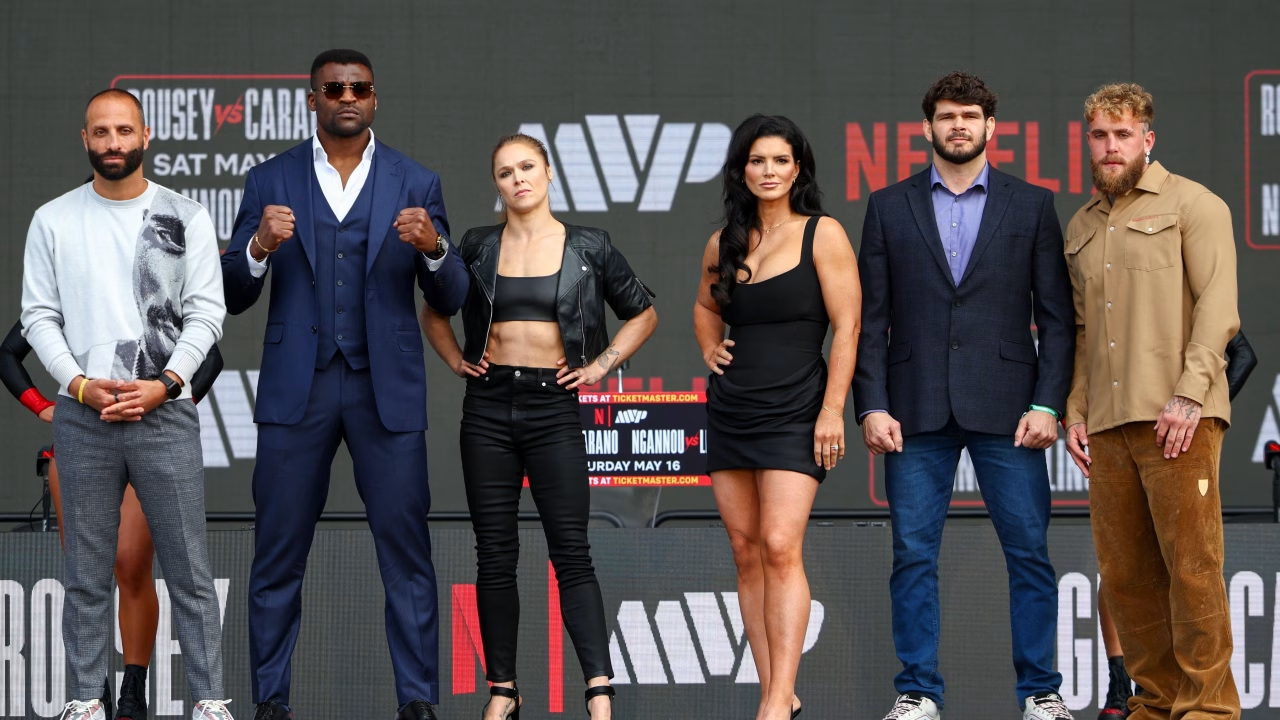
The pay structure is being introduced alongside a high-profile fight card featuring major names. The main event sees Ronda Rousey face Gina Carano, while other notable bouts include Nate Diaz vs. Mike Perry and Francis Ngannou vs. Philipe Lins.
By combining a fighter-first pay model with recognizable talent, MVP is aiming to attract both viewers and fighters to its platform.
The event also marks Netflix’s first major step into live MMA broadcasting, adding another layer of significance. With a global streaming audience, the promotion has an opportunity to showcase its model to a wider audience than traditional pay-per-view events.
Ongoing UFC pay debate adds context
The announcement comes amid ongoing criticism of fighter pay in the UFC. Several athletes have publicly raised concerns about earnings, with some describing the system as unsustainable for lower-tier fighters.
Rousey herself has previously stated that many fighters are “living in poverty level,” highlighting the financial challenges within the sport.
MVP’s model appears to be a direct response to these concerns, offering a structure that prioritizes guaranteed income and higher revenue sharing.