Numilk has become one of the more notable success stories to emerge from Shark Tank, evolving from a small pandemic-era startup into a widely adopted plant-based milk technology company. Its growth has been driven by product innovation, commercial adoption, and a successful shift into the home consumer market, positioning it as a key player in on-demand dairy alternatives.
The company now carries an estimated net worth between $55 million and $70 million, reflecting strong revenue growth, expanding installations, and increased consumer demand. This valuation highlights how far Numilk has come since its early-stage struggles and underscores the impact of strategic funding and post-show scaling.
A major turning point for Numilk came in 2021 when founders Joe Savino and Ari Tolwin secured a $2 million investment deal with Mark Cuban. The agreement included $1 million for 7% equity and a $1 million loan at 3% interest, with an additional 3% equity tied to loan usage. This funding allowed the company to stabilize operations, refine its technology, and prepare for large-scale expansion.
Numilk Expands Strategy, Boosts Revenue, And Leverages Shark Tank Effect Growth Success
Following its Shark Tank appearance, Numilk shifted its strategy in a significant way. Initially focused on commercial kiosks that produced fresh plant-based milk on demand, the company expanded into the countertop home-use machine segment. This move opened access to everyday consumers and helped diversify revenue streams beyond cafés and foodservice locations. To support production at scale, Numilk also partnered with Hamilton Beach Brands, strengthening its manufacturing and distribution capabilities.
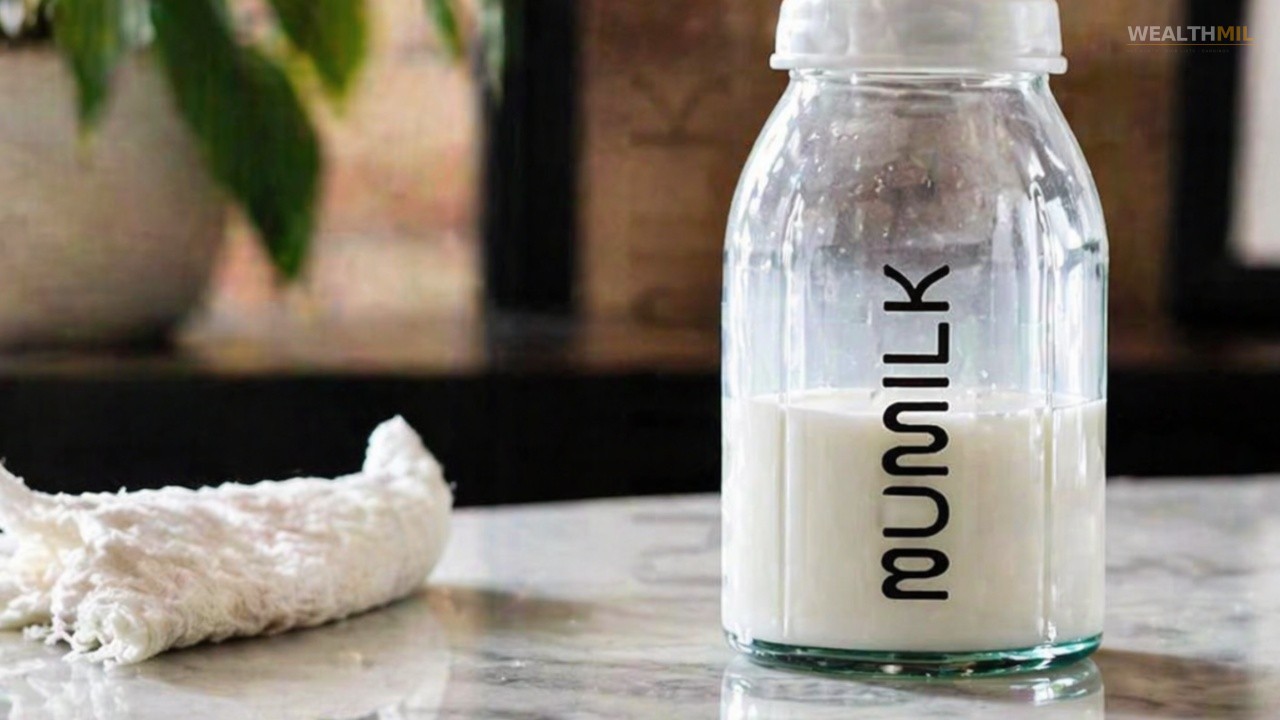
By 2025, the company had installed more than 500 commercial systems across cafés and restaurants, while also reaching thousands of home users. This dual-market approach contributed to annual revenue of approximately $13 million. That marked a sharp increase from its earlier pandemic period, when revenue hovered around $400,000 and the business operated under financial strain. Over time, Numilk’s total lifetime sales surpassed $55 million, supporting its rising valuation.
A defining feature of Numilk’s model is its sustainability focus. Instead of shipping pre-packaged plant-based milk, the system uses ingredient pouches to create fresh beverages on demand, including almond and oat milk. This reduces transportation weight, lowers packaging waste, and eliminates millions of disposable cartons. The environmental benefit has become a key part of its appeal to both consumers and commercial buyers.
Numilk’s growth mirrors a broader trend seen across Shark Tank alumni companies, where exposure from the show often drives long-term success. Many businesses experience sharp increases in visibility and sales even beyond those that secure deals, a phenomenon widely known as the “Shark Tank effect.”
Shark Tank Success Stories Highlight Growth, Valuations, And Market Expansion Trends
Other companies illustrate this pattern clearly. Ring, originally rejected on the show, was later sold to Amazon for over $1 billion. Bombas has exceeded $1.3 billion in lifetime sales, while Scrub Daddy has surpassed $800 million. These examples show how media exposure combined with strong execution can significantly accelerate business growth.
Across seasons, more than half of Shark Tank pitches result in investment deals, but many founders still achieve major success independently through alternative funding or retail expansion. The show consistently boosts traffic, customer interest, and brand recognition for featured companies.
For Numilk, the combination of Mark Cuban’s investment, a successful product pivot, and strong adoption in both commercial and home markets has driven its valuation into the $55 million to $70 million range. This positions the company as a strong example of how early-stage innovation, when paired with execution and visibility, can scale into a profitable and widely recognized brand.
As the company continues to expand, its focus remains on making plant-based milk more accessible, sustainable, and convenient across both residential and commercial use cases.