For more than six decades, Paul Anka has remained one of the most influential singer-songwriters in popular music history. Unlike many artists who fade after one successful era, Anka repeatedly reinvented himself across generations while continuing to write songs that shaped mainstream culture. His career spans teen pop stardom in the 1950s, Las Vegas entertainment dominance, legendary songwriting partnerships, and continued touring well into his 80s.
That extraordinary longevity also translated into enormous financial success. Multiple reports estimate Paul Anka’s net worth at around $80 million, a fortune built through songwriting royalties, publishing ownership, touring revenue, television work, and decades of catalog value.
What makes Anka’s story especially remarkable is that his wealth did not come from one single hit or short-lived trend. Instead, it came from consistently creating music that survived changing eras. From writing “My Way” for Frank Sinatra to composing themes for television and collaborating with newer artists decades later, Anka built one of the entertainment industry’s most durable careers.
Paul Anka’s estimated net worth in 2026
Current entertainment finance estimates place Paul Anka’s net worth at roughly $80 million. Celebrity Net Worth and several entertainment publications have consistently reported figures in that range in recent years.
Much of that wealth comes from a combination of music royalties and publishing ownership. Unlike many performers who primarily earned money through album sales, Anka benefited enormously from songwriting credits attached to globally successful tracks. Songs like “Diana,” “Put Your Head on My Shoulder,” and “Lonely Boy” remained valuable across generations through radio play, streaming, licensing, and covers.
However, his most financially important contribution may have been writing the English lyrics for Sinatra’s “My Way.” The song became one of the most recognizable standards in modern music history and has been recorded by countless artists worldwide.
Anka also earned long-term revenue through television-related work, including composing the famous theme associated with The Tonight Show Starring Johnny Carson. That connection kept his music culturally relevant far beyond the original pop era that launched his career.
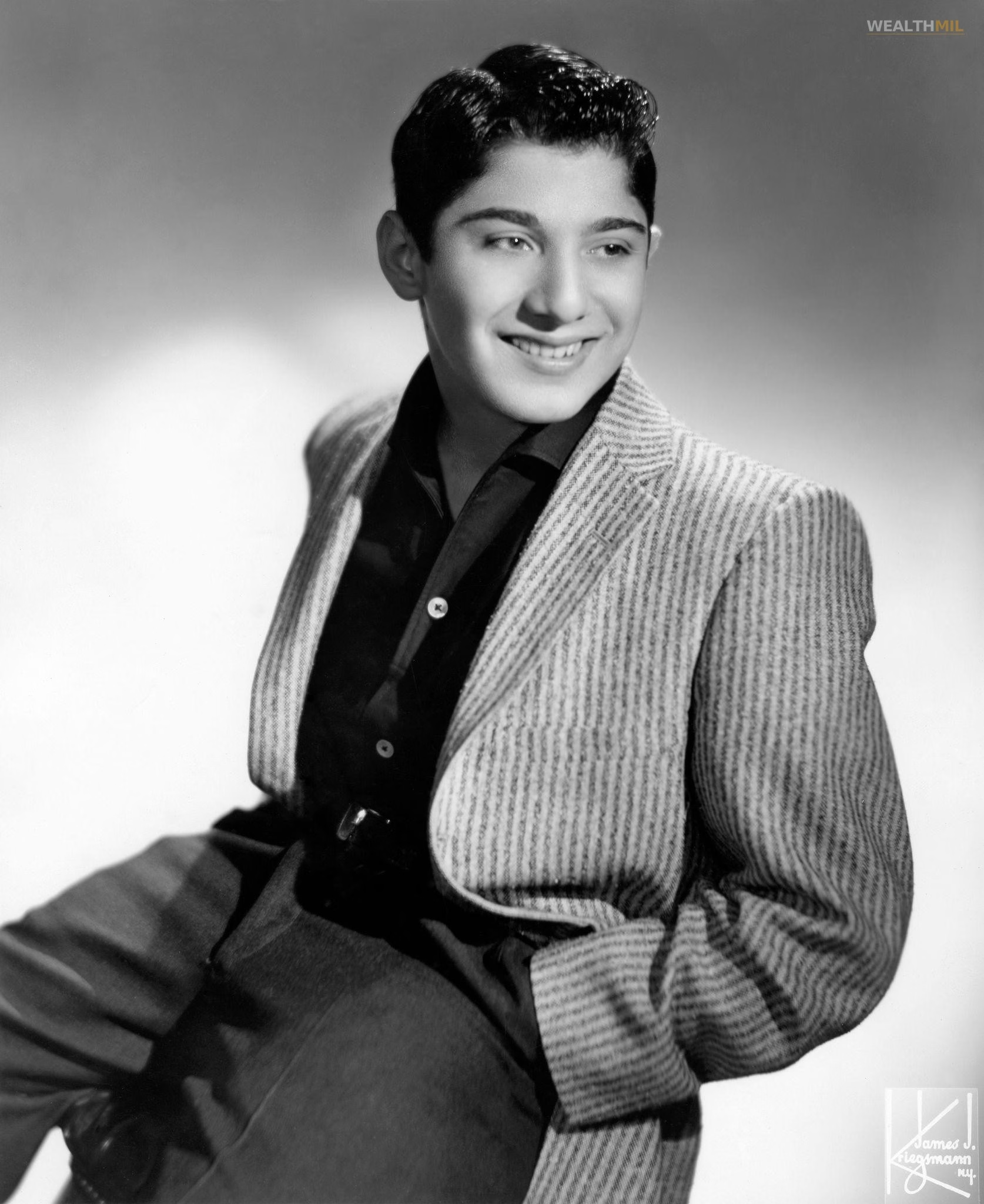
Another major factor behind his financial stability was business ownership. Reports and interviews over the years highlighted how Anka bought back rights to portions of his music catalog early in his career, giving him stronger long-term control over royalties and licensing income.
How “Diana” launched Paul Anka into global stardom
Paul Anka’s rise began unusually early. Born in Ottawa, Canada, he became a teenage sensation in the late 1950s after writing and recording “Diana,” a song inspired by a girl from his church community. The track became a massive international success and established Anka as one of the defining teen idols of the era.
What separated Anka from many young stars of the time was that he wrote much of his own material. In an era when record labels often relied heavily on professional songwriting teams, Anka quickly demonstrated unusual creative control and musical instincts for someone so young.
Hits continued arriving rapidly after “Diana.” Songs such as “Lonely Boy,” “You Are My Destiny,” and “Put Your Head on My Shoulder” helped solidify his commercial success. These tracks became staples of late-1950s and early-1960s pop music while also introducing Anka’s emotionally direct songwriting style to mainstream audiences.
His early success also positioned him for international touring opportunities. During the peak of his teen idol fame, Anka toured alongside stars like Buddy Holly, further embedding himself within the foundational years of rock and pop history.
“My Way” became one of the most important songs of his career
Although Anka had already achieved major success as a performer, “My Way” transformed his legacy as a songwriter. The song originated from the French composition “Comme d’habitude,” but Anka acquired adaptation rights and wrote entirely new English lyrics specifically for Sinatra.
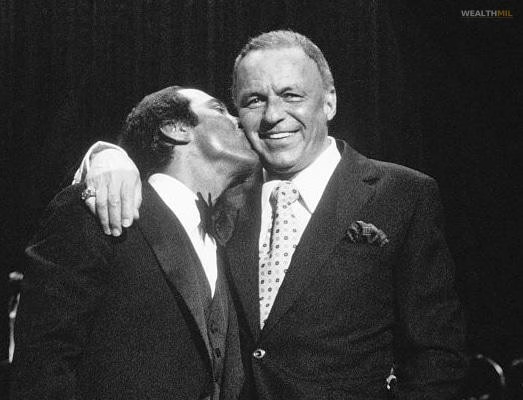
According to multiple accounts, Anka wrote the lyrics after hearing Sinatra discuss retirement. The result was a reflective anthem about individuality, pride, and personal legacy that perfectly matched Sinatra’s public image.
The song became one of Sinatra’s defining recordings and eventually evolved into a global cultural phenomenon. “My Way” has since been covered by hundreds of artists across genres, generations, and countries. That level of longevity created enormous publishing value for Anka over time.
Its importance went beyond commercial success. The song fundamentally changed how the industry viewed Anka. He was no longer seen only as a former teen idol from the 1950s. Instead, he became recognized as one of popular music’s elite songwriters.
Even decades later, “My Way” remains closely tied to Anka’s legacy. Articles, documentaries, and retrospectives about Sinatra’s career frequently revisit Anka’s role in creating the legendary anthem.
Paul Anka succeeded across multiple generations of music
One of the most impressive aspects of Anka’s career is his ability to remain relevant despite massive changes in the music industry. Many performers from the 1950s struggled after the British Invasion reshaped pop culture in the 1960s. Anka, however, adapted strategically.
He expanded into songwriting for other artists, Las Vegas performances, television projects, and film-related music. That diversification helped protect him from the decline many early rock-era performers experienced.
Anka also collaborated with artists from completely different musical generations. Over the years, his work connected him with figures ranging from Sinatra and Tom Jones to Michael Jackson and even newer artists connected to streaming-era audiences.
His songwriting versatility played a major role in that survival. Unlike artists whose careers depended entirely on a specific sound or trend, Anka could shift between pop ballads, swing influences, orchestral arrangements, and contemporary collaborations.
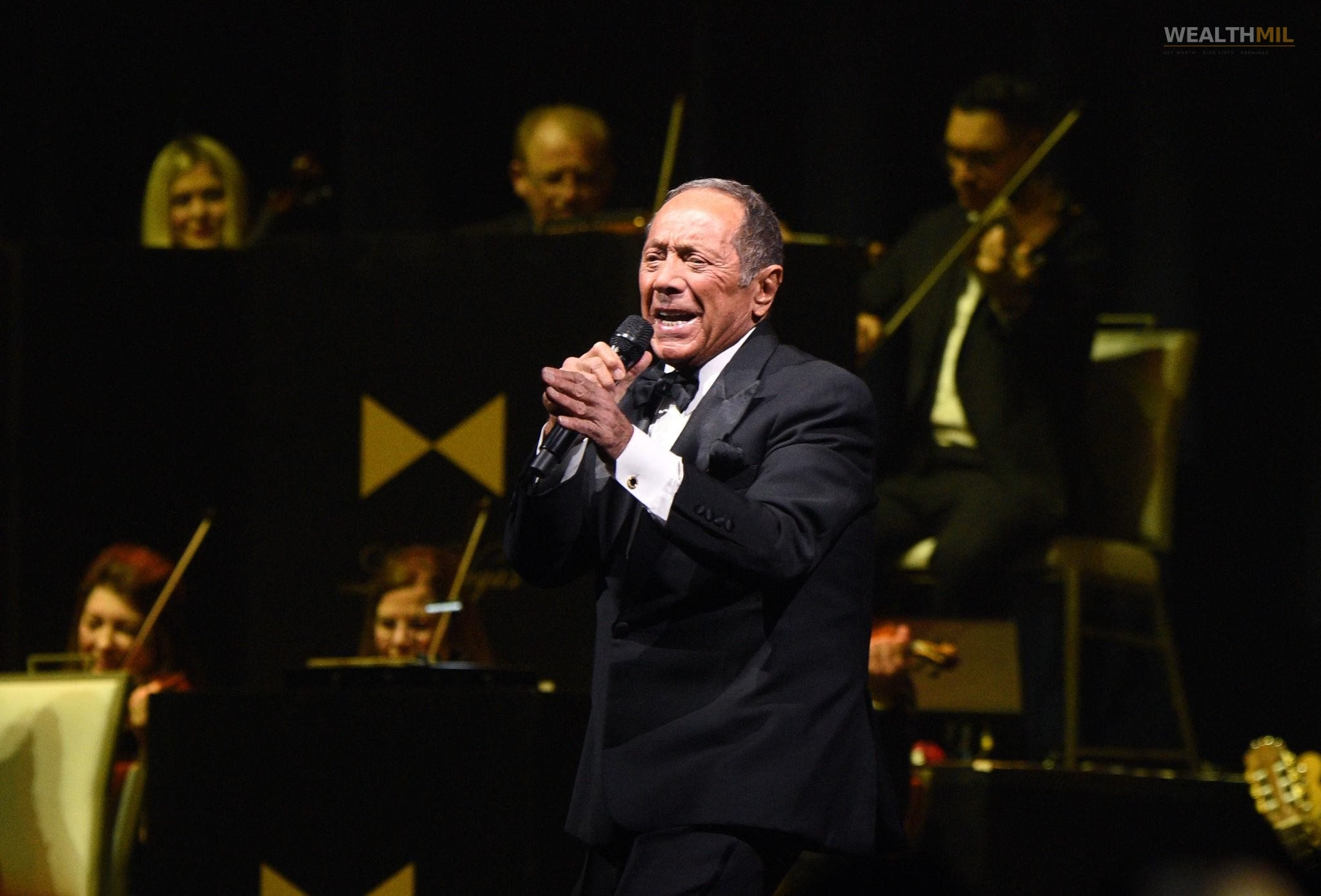
This ability to evolve kept his catalog commercially valuable for decades. Songs continued appearing in films, television programs, commercials, streaming playlists, and digital platforms long after their original release periods.
Owning publishing rights became a major financial advantage
Anka’s financial intelligence is often overlooked when discussing his career. One of his smartest business decisions came in the early 1960s when he bought back rights to parts of his music catalog. At the time, few artists fully appreciated how valuable long-term ownership could become.
That move gave him significantly greater control over licensing and royalty income throughout the decades that followed. As streaming, television syndication, commercials, and digital licensing expanded, ownership of evergreen songs became increasingly valuable.
Modern discussions about artists reclaiming masters or fighting for publishing rights often focus on newer stars. However, Anka made similar strategic decisions generations earlier. Some commentators have even compared his catalog decisions to modern artist ownership movements.
Publishing ownership matters because hit songs can continue generating revenue indefinitely. Every radio play, film sync, commercial placement, or streaming use creates financial returns. Since Anka wrote many of his biggest songs himself, he benefited from both performer and songwriter revenue streams.
That long-term royalty structure explains why his net worth remained strong even decades after his original chart dominance. His catalog effectively became a lasting financial asset rather than merely a collection of old recordings.
Touring and live performance still play a major role
Even in his 80s, Paul Anka has continued performing live shows. Reports from recent interviews and concert announcements show that he still maintains an active touring schedule, demonstrating both his work ethic and enduring audience demand.
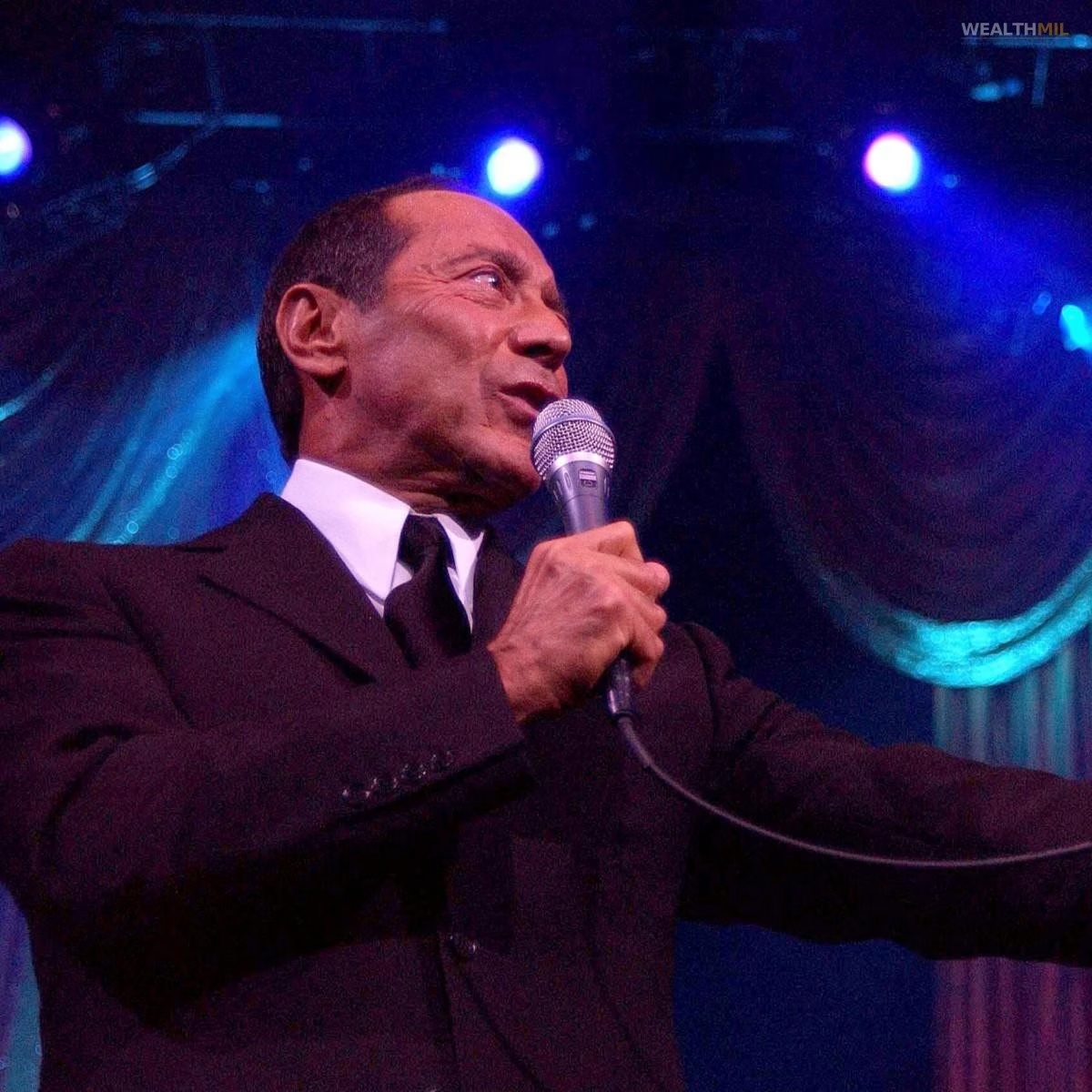
This continued stage presence separates Anka from many legacy artists who fully retired years earlier. Audiences attending his concerts are often drawn by nostalgia, but they also appreciate seeing a performer whose career genuinely spans multiple eras of entertainment history.
Live performance also remains financially important. Touring revenue, premium venue appearances, and casino entertainment circuits have historically been major income sources for veteran performers. Anka was among the earliest pop stars to successfully transition into long-running Las Vegas entertainment culture.
Recent coverage also highlighted how disciplined lifestyle habits contributed to his longevity. In interviews, Anka discussed avoiding smoking and drinking while emphasizing consistency and health management as reasons he could continue performing at an advanced age.
That endurance reinforces the broader theme of his career: longevity itself became one of his greatest assets both artistically and financially.
Why Paul Anka’s influence extends beyond his own songs
Although Anka is remembered for performing classics like “Diana” and “Put Your Head on My Shoulder,” his broader influence comes from shaping popular music behind the scenes as well.
His songwriting contributions reached multiple generations of artists and audiences. “She’s a Lady,” recorded by Tom Jones, became one of the singer’s most recognizable hits. Anka also maintained ties to projects connected to Michael Jackson, including work related to “This Is It.”
His influence even extended into television culture through The Tonight Show theme. Millions of viewers heard variations of Anka’s composition nightly during Johnny Carson’s legendary run.
Modern documentaries and retrospectives continue revisiting his career because his story intersects with so many eras of entertainment history. Recent projects such as Paul Anka: His Way highlighted how unusually long and adaptive his career has been compared to most performers from the 1950s generation.
Few artists successfully transition from teenage pop icon to respected elder statesman without losing relevance. Anka managed that transformation through songwriting credibility, business intelligence, and relentless adaptability.

Paul Anka built his estimated $80 million net worth through far more than celebrity fame. His fortune reflects decades of songwriting royalties, catalog ownership, television music, international touring, and one of the most enduring careers in entertainment history.
From writing “Diana” as a teenager to creating “My Way” for Sinatra, Anka consistently proved he could evolve alongside changing musical generations. While many artists become trapped within a single era, he transformed himself repeatedly without abandoning the songwriting foundations that made him famous.
His career also demonstrates the financial power of ownership and longevity in the entertainment business. By controlling publishing rights and continuously adapting to new audiences, Anka turned his music catalog into a lasting empire rather than a temporary moment of fame.
More importantly, his influence stretches far beyond charts and revenue. His songs became part of global popular culture, connecting generations of listeners across decades. That enduring cultural presence is ultimately what makes Paul Anka’s legacy far more significant than his already impressive net worth.