
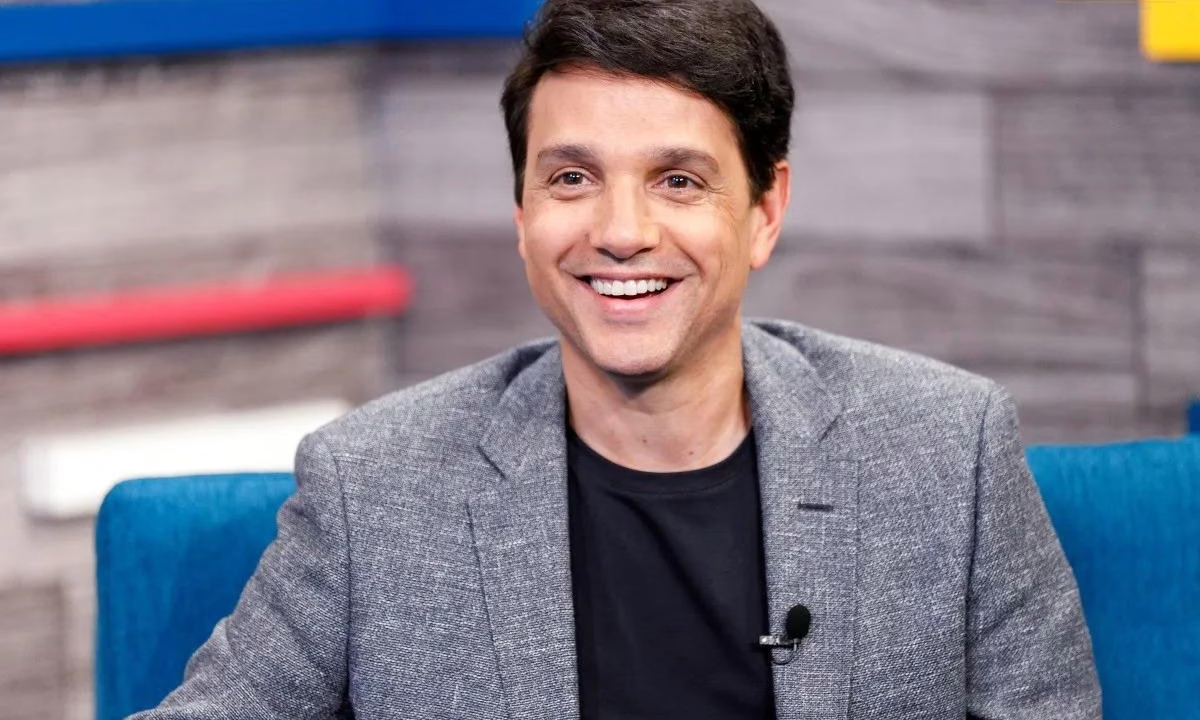
For decades, Ralph Macchio was best known as Daniel LaRusso, the underdog hero of The Karate Kid. The role defined his early career and made him a recognizable face of 1980s pop culture. However, like many actors tied closely to a single iconic role, Macchio experienced a quieter period in Hollywood after the franchise’s peak years.
That narrative changed dramatically with the arrival of Cobra Kai, a continuation of The Karate Kid story that reintroduced his character to a new generation. The show not only revived his career but also created a fresh wave of global popularity and financial growth.
Today, Ralph Macchio’s estimated net worth is widely reported to be around $8 million, reflecting a combination of his early film success, steady television work, and the massive resurgence driven by Cobra Kai. His story highlights how nostalgia, when paired with smart reinvention, can translate into long-term financial success in modern entertainment.
Ralph Macchio’s net worth in 2026 and how he built his wealth
As of 2026, Ralph Macchio’s net worth is generally estimated at approximately $8 million, according to entertainment finance outlets like Celebrity Net Worth. While this figure may not rival the earnings of Hollywood’s highest-paid actors, it represents a stable and steadily growing financial portfolio shaped by decades in the industry.
A large portion of his early earnings came from The Karate Kid trilogy, which became a major box office success in the 1980s. The films not only earned significant revenue but also established Macchio as a household name. This early success created a foundation for his long-term career.
However, the most significant boost to his net worth in recent years has come from Cobra Kai. As both a lead actor and executive producer, Macchio has benefited from the show’s success across streaming platforms. His dual role likely increased his earnings compared to a standard acting contract.

In addition to these major projects, Macchio has earned income from television appearances, guest roles, and public engagements. These consistent contributions have helped maintain his financial stability even during periods of lower mainstream visibility.
The Karate Kid made him an 80s icon
Ralph Macchio’s breakthrough came in 1984 with The Karate Kid, a film that became an instant classic. His portrayal of Daniel LaRusso resonated with audiences, particularly younger viewers who connected with the character’s underdog journey.
The film’s success led to sequels, including The Karate Kid Part II and The Karate Kid Part III, further solidifying Macchio’s status as a teen idol. The franchise’s themes of perseverance, mentorship, and personal growth helped it endure beyond its original release era.
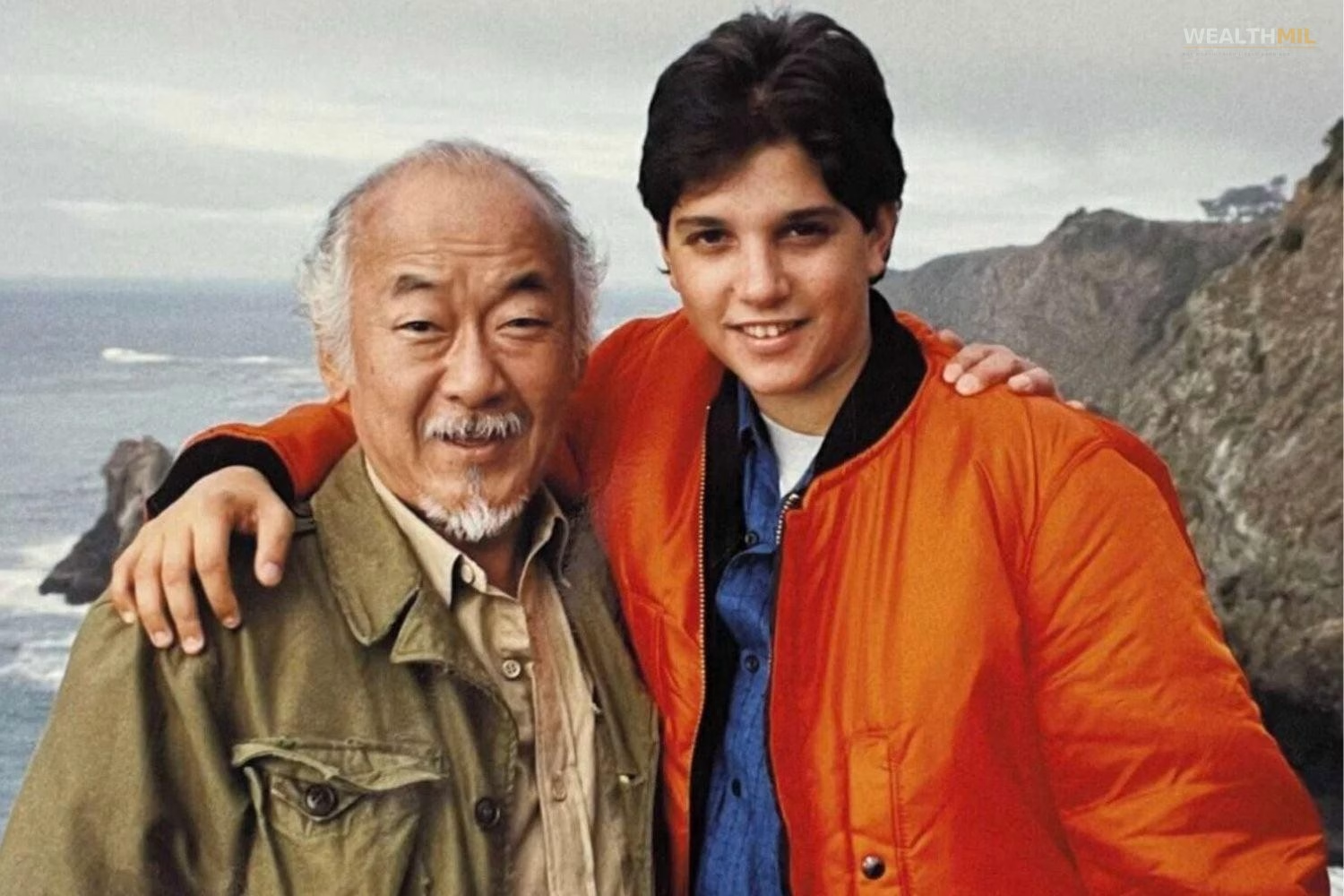
Macchio’s performance became synonymous with the character. His chemistry with co-star Pat Morita, who played Mr. Miyagi, added emotional depth to the story. This partnership became one of the most memorable aspects of the franchise.
Financially, the films provided substantial earnings and long-term recognition. However, like many actors associated with a defining role, Macchio faced challenges in diversifying his career afterward.
The quiet years and steady career choices
After the peak of The Karate Kid franchise, Ralph Macchio’s career entered a quieter phase. While he continued acting, he did not achieve the same level of mainstream visibility as during the 1980s. This period is common for actors who become strongly associated with a single iconic role.
Macchio appeared in various television shows and films, including My Cousin Vinny, which remains a fan-favorite performance. These roles demonstrated his versatility, even if they did not dominate box office headlines.
During these years, he maintained a steady presence in the industry without overexposure. This approach allowed him to preserve his reputation and avoid the burnout that often affects early fame.
Although his earnings during this period were more modest, they contributed to a stable financial foundation. This consistency would later prove valuable when his career experienced a resurgence.
Cobra Kai brought Daniel LaRusso back to life
The launch of Cobra Kai in 2018 marked a turning point in Ralph Macchio’s career. Originally released on YouTube Red before moving to Netflix, the series revisited the story of The Karate Kid from a modern perspective.
The show explored the rivalry between Daniel LaRusso and Johnny Lawrence, played by William Zabka. By presenting both characters as complex adults rather than simple heroes and villains, Cobra Kai added depth to the original narrative.
Macchio’s return to the role was central to the show’s success. His performance balanced nostalgia with character growth, appealing to both longtime fans and new viewers. This dual appeal helped the series achieve widespread popularity.
The success of Cobra Kai significantly boosted his earnings. As the show gained traction on Netflix, its global reach expanded, increasing its value and the compensation for its cast and producers.
How nostalgia became a financial advantage
Ralph Macchio’s career resurgence highlights the financial power of nostalgia in modern entertainment. Streaming platforms have created opportunities to revisit classic franchises and introduce them to new audiences.
Cobra Kai capitalized on this trend by blending familiar elements with fresh storytelling. For Macchio, this meant renewed visibility and a chance to reconnect with fans who grew up watching The Karate Kid.

Nostalgia-driven projects often come with built-in audiences, reducing the financial risk for studios and increasing the potential for success. This dynamic benefits actors who can return to iconic roles.
In Macchio’s case, nostalgia did more than revive his career. It transformed his legacy into a modern revenue stream, demonstrating how past success can be leveraged for future growth.
Expanding income through producing and creative control
One of the key differences between Macchio’s early career and his work on Cobra Kai is his involvement behind the scenes. As an executive producer, he has a greater stake in the show’s success.
This role likely provides additional income beyond acting salaries, including profit participation and production-related earnings. It also gives him more influence over the creative direction of the series.
Having control over a project can significantly enhance an actor’s financial position. It allows them to benefit from the broader success of the production rather than just their individual performance.
Macchio’s transition into producing reflects a broader trend in Hollywood, where actors seek greater ownership of their work. This approach can lead to more sustainable long-term earnings.
The global success of Cobra Kai
Cobra Kai became a global hit after moving to Netflix, reaching audiences far beyond its original platform. The show consistently ranked among the most-watched series on the streaming service, attracting viewers across different age groups.
This global reach increased its financial impact. Streaming success often translates into higher budgets, better contracts, and expanded opportunities for cast members.

For Macchio, this meant not only increased earnings but also renewed cultural relevance. His character became part of contemporary conversations, introducing him to younger audiences who had never seen the original films.
The show’s success also opened doors for potential spin-offs and related projects. These opportunities could further enhance his net worth in the coming years.
Why Ralph Macchio’s net worth reflects long-term career strategy
Ralph Macchio’s financial journey demonstrates the value of patience and strategic decision-making. Rather than chasing constant visibility, he maintained a steady career and waited for the right opportunity to return to the spotlight.
His willingness to revisit an iconic role, combined with a modern approach to storytelling, allowed him to capitalize on nostalgia without feeling outdated. This balance is crucial for long-term success in entertainment.
His involvement in production also shows an understanding of the business side of the industry. By taking on multiple roles, he maximized his earning potential and ensured greater control over his career.
These factors collectively contribute to his net worth. They highlight how financial success in Hollywood often depends on timing, adaptability, and strategic choices.
The enduring appeal of Daniel LaRusso
Daniel LaRusso remains one of the most recognizable characters in film history. His journey from an underdog teenager to a successful adult resonates across generations. This enduring appeal is a key factor in Ralph Macchio’s continued relevance.
The character’s themes of resilience, discipline, and mentorship remain universally relatable. These qualities have helped The Karate Kid franchise maintain its popularity over decades.
Through Cobra Kai, Macchio has been able to expand the character’s story. This evolution keeps the narrative fresh while honoring its roots. It also ensures that the franchise continues to attract new fans.
The lasting popularity of Daniel LaRusso demonstrates the power of strong storytelling. For Macchio, it represents both a creative achievement and a valuable financial asset.
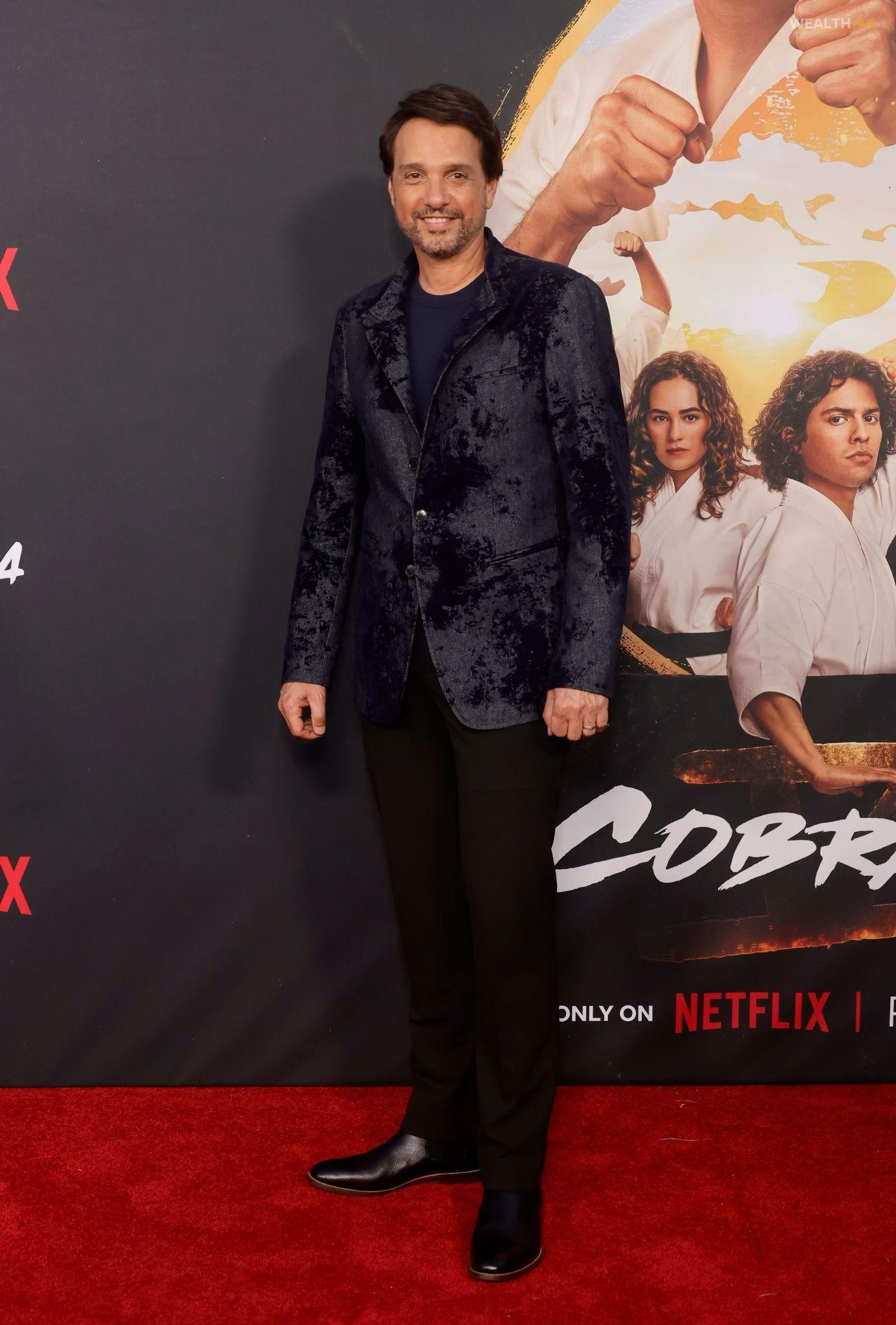
Ralph Macchio’s net worth may not place him among Hollywood’s wealthiest actors, but it tells a compelling story of longevity and reinvention. His career shows how iconic roles can continue generating value decades after their initial success.
The resurgence brought by Cobra Kai proves that nostalgia, when executed effectively, can become a powerful driver of both cultural relevance and financial growth. By embracing his legacy while adapting to modern storytelling, Macchio has secured a second chapter in his career.
More importantly, his journey highlights the importance of patience and strategic choices in the entertainment industry. Success is not always immediate or constant, but the right opportunity can transform a career at any stage.
In the end, Ralph Macchio’s financial success reflects more than just earnings. It represents the enduring impact of a character, the evolution of an actor, and the power of storytelling to connect generations.