Richard Dreyfuss became one of the most recognizable faces of 1970s Hollywood during a transformative period in the film industry. Known for his intense performances, natural charisma, and ability to anchor both blockbuster and character-driven films, Dreyfuss carved out a career that continues to resonate decades later. His rise coincided with what many critics consider the “New Hollywood” era, when filmmakers experimented with storytelling, realism, and complex characters.
Over time, Dreyfuss built a filmography that includes some of the most influential movies ever made, including Jaws and Close Encounters of the Third Kind. These films not only shaped his career but also contributed to the evolution of blockbuster cinema. Today, his estimated net worth is widely reported to be around $5 million to $10 million, reflecting a long career that balanced massive success with personal and professional challenges. His financial standing tells a deeper story about longevity, reinvention, and the unpredictable nature of Hollywood success.
Richard Dreyfuss rose to fame during Hollywood’s most influential era
Dreyfuss’s breakthrough came at a time when Hollywood was shifting away from traditional studio formulas toward more director-driven storytelling. The 1970s became a defining decade for filmmakers like Steven Spielberg and George Lucas, and Dreyfuss found himself at the center of that movement. His performances reflected a more grounded and relatable style of acting compared to earlier generations of Hollywood stars.
Before achieving global fame, Dreyfuss appeared in smaller roles in television and film, gradually building experience and industry connections. His early work included appearances in projects that allowed him to refine his craft and gain visibility. While these roles did not immediately make him a star, they laid the groundwork for the breakthrough performances that followed.
The turning point came when he starred in American Graffiti, a coming-of-age film directed by George Lucas. The movie became a commercial and critical success, earning multiple Academy Award nominations and introducing Dreyfuss to a wider audience. This role positioned him as a rising talent in an industry undergoing rapid change.

Dreyfuss’s ability to portray everyday characters with emotional depth made him stand out during this era. As Hollywood moved toward more realistic storytelling, his acting style aligned perfectly with audience expectations. This alignment helped him secure roles in projects that would define not only his career but also the direction of modern cinema.
Jaws turned Richard Dreyfuss into a global star
Dreyfuss’s role in Jaws marked a major turning point in his career. Directed by Steven Spielberg, the film became one of the first true summer blockbusters, redefining how movies were marketed and released. Dreyfuss played marine biologist Matt Hooper, delivering a performance that balanced intelligence, humor, and vulnerability.
The success of Jaws had a lasting impact on Hollywood. It introduced the concept of the summer blockbuster and demonstrated the commercial potential of high-concept storytelling. For Dreyfuss, the film elevated his status from a promising actor to an international star.
Working alongside actors like Roy Scheider and Robert Shaw, Dreyfuss held his own in a cast filled with strong performances. His portrayal of Hooper added a relatable dimension to the film, making the character memorable even in a movie dominated by suspense and spectacle.
The financial success of Jaws contributed significantly to Dreyfuss’s early career earnings. While actor salaries in the 1970s were modest compared to modern standards, the exposure and credibility gained from such a massive hit opened doors to higher-paying roles. This phase of his career laid the foundation for his long-term financial trajectory.
An Oscar win cemented his place in Hollywood history
Dreyfuss reached a major career milestone with his performance in The Goodbye Girl. His portrayal of struggling actor Elliot Garfield earned him the Academy Award for Best Actor, making him one of the youngest winners in that category at the time. This achievement solidified his reputation as one of the most talented actors of his generation.
The role showcased a different side of Dreyfuss’s abilities. While Jaws and other films emphasized tension and spectacle, The Goodbye Girl highlighted his comedic timing and emotional range. This versatility became one of the defining features of his career.
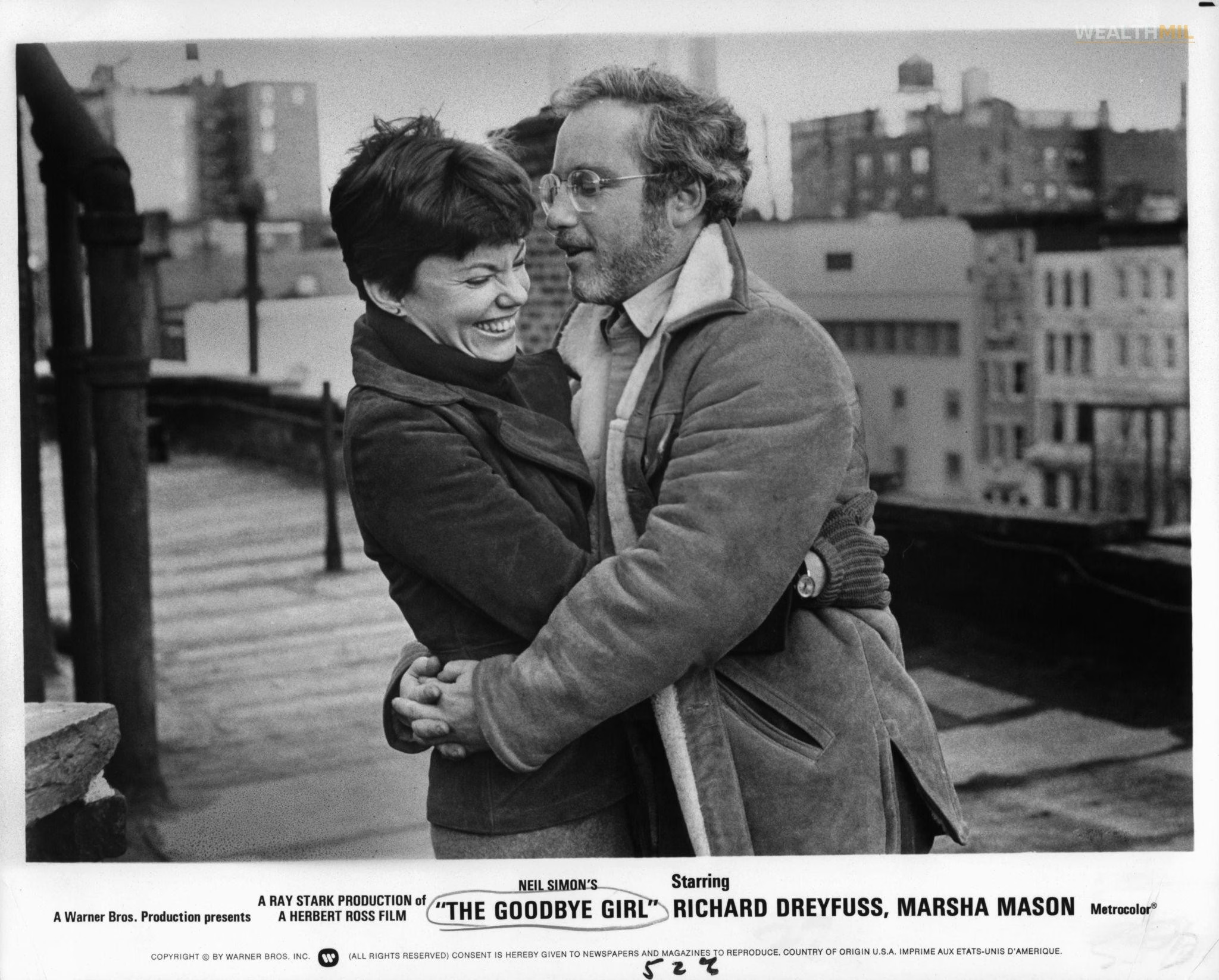
Winning an Oscar often leads to increased earning potential and better project opportunities. For Dreyfuss, it reinforced his status as a leading man capable of carrying both commercial and critically acclaimed films. The recognition also added long-term value to his legacy within the industry.
However, the pressure that followed such success also brought challenges. Like many actors who rise quickly, Dreyfuss faced expectations that were difficult to sustain consistently. His career in the years that followed reflected both the opportunities and the difficulties associated with early success.
Close Encounters of the Third Kind expanded his blockbuster appeal
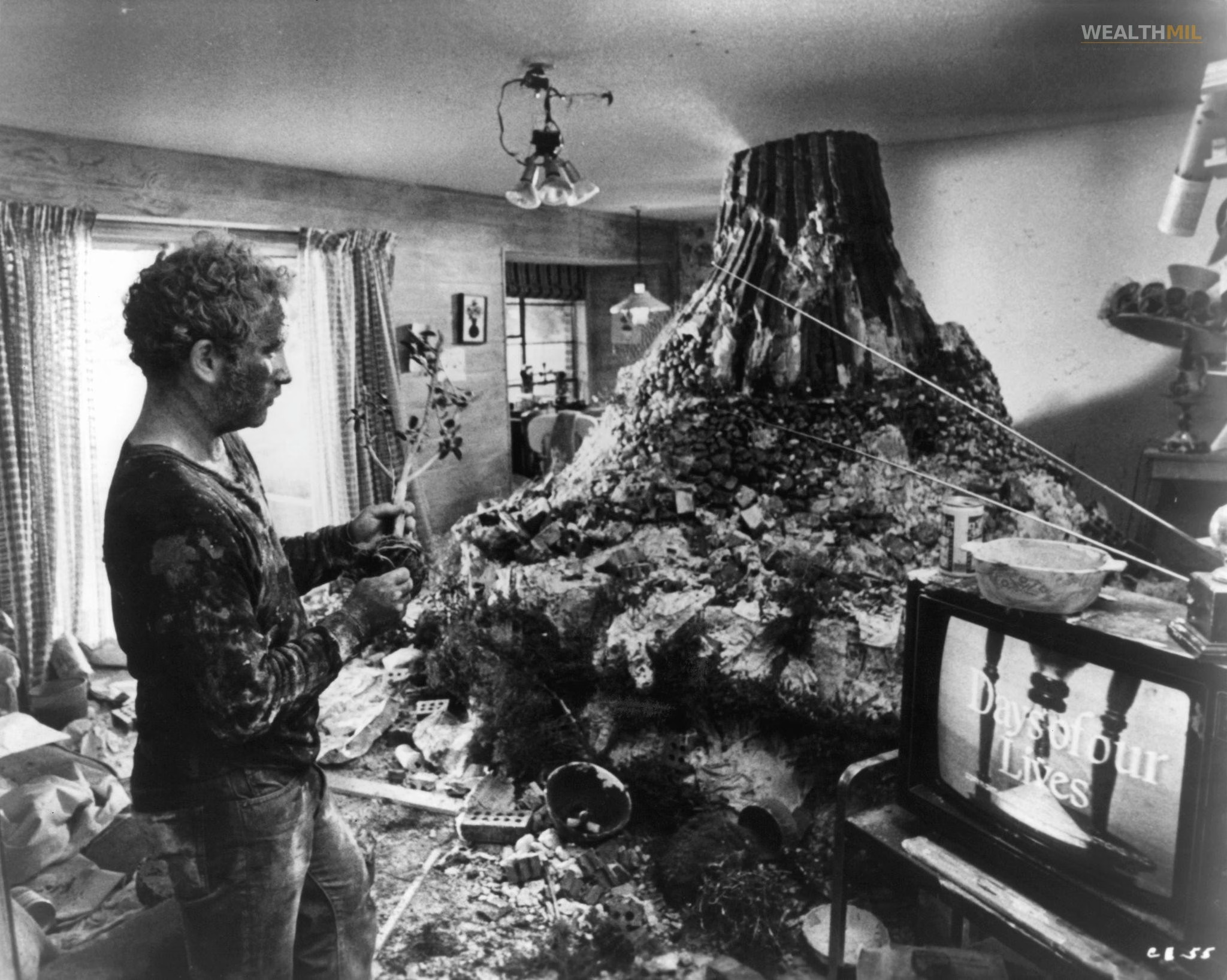
Following the success of Jaws, Dreyfuss reunited with Steven Spielberg for Close Encounters of the Third Kind. The film became another major success, blending science fiction with emotional storytelling. Dreyfuss played Roy Neary, a man obsessed with extraterrestrial contact, delivering one of the most memorable performances of his career.
The film’s success further strengthened Dreyfuss’s position in Hollywood. It proved that his appeal extended beyond a single genre, allowing him to move between drama, comedy, and science fiction. This versatility increased his market value and helped sustain his career through changing industry trends.
Close Encounters also contributed to the growing popularity of science fiction in mainstream cinema. The film’s success influenced future projects and demonstrated the commercial viability of complex, character-driven sci-fi stories. Dreyfuss’s performance played a key role in making the film accessible to audiences.
Financially, this period represented the peak of Dreyfuss’s earning potential. Appearing in back-to-back blockbuster hits significantly increased his visibility and demand. While exact salary figures from that era are not always publicly available, the impact on his long-term career earnings is clear.
Career challenges and personal struggles affected his financial trajectory
Despite early success, Dreyfuss’s career faced setbacks during the late 1970s and 1980s. Reports have documented his struggles with substance abuse, which affected both his professional opportunities and personal life. These challenges led to periods of reduced work and limited roles.
In Hollywood, career momentum can shift quickly, especially for actors who step away from major projects. Dreyfuss’s absence during certain periods impacted his earning potential and slowed the growth of his net worth. While he remained respected within the industry, fewer high-profile roles meant fewer financial opportunities.
However, Dreyfuss eventually worked toward recovery and returned to acting. His comeback included roles in films that allowed him to rebuild his reputation. This phase of his career demonstrated resilience and a commitment to continuing his craft despite earlier setbacks.
The financial impact of these challenges is reflected in his current net worth. While many actors from his era accumulated significantly larger fortunes, Dreyfuss’s wealth reflects a more complex journey marked by both success and interruption.
Later career roles kept Richard Dreyfuss relevant across decades
Dreyfuss continued working in film and television well beyond his 1970s peak. He appeared in notable projects such as Mr. Holland’s Opus, which earned him another Academy Award nomination. The film introduced him to a new generation of audiences and reaffirmed his acting abilities.
He also took on roles in television movies and series, expanding his presence beyond theatrical releases. This shift allowed him to remain active in the industry even as the terrain of Hollywood changed. Television and streaming platforms provided new opportunities for established actors.
Dreyfuss’s later career choices reflect a willingness to adapt. Rather than focusing solely on leading roles, he embraced character-driven performances that allowed him to continue working consistently. This adaptability contributed to his long-term financial stability.

While these roles may not have matched the financial scale of his early blockbusters, they ensured a steady stream of income. Over time, this consistency helped maintain his net worth despite earlier fluctuations.
Richard Dreyfuss’s net worth reflects a career shaped by both success and setbacks
Estimates place Dreyfuss’s net worth between $5 million and $10 million, a figure that reflects decades of work in the entertainment industry. Unlike modern actors who benefit from massive franchise salaries and endorsement deals, Dreyfuss built his wealth during a different era of Hollywood economics.
His earnings came primarily from film salaries, television appearances, and residual income from classic films. While blockbuster success provided significant financial opportunities, the lack of modern profit-sharing deals limited long-term earnings compared to today’s standards.
Dreyfuss’s career also illustrates how personal challenges can impact financial growth. Periods of reduced activity and fewer high-profile roles affected his earnings potential. At the same time, his ability to return to acting and remain active helped sustain his financial position.
The value of his legacy extends beyond net worth figures. His contributions to some of the most influential films in Hollywood history continue to generate cultural and financial value through re-releases, streaming, and licensing.
His legacy continues to influence modern Hollywood
Dreyfuss’s impact on the film industry goes beyond his individual performances. His work during the 1970s helped shape a generation of filmmakers and actors who continue to influence Hollywood today. The films he starred in remain essential viewing for anyone studying the evolution of modern cinema.
Actors today often cite the New Hollywood era as a major influence, and Dreyfuss played a central role in that movement. His performances demonstrated that audiences could connect with flawed, relatable characters rather than traditional heroic archetypes.
The continued popularity of films like Jaws and Close Encounters of the Third Kind ensures that Dreyfuss’s work remains relevant. These movies are frequently referenced in discussions about filmmaking, storytelling, and industry history.
His legacy also highlights the importance of versatility and adaptability. By moving between genres and embracing different types of roles, Dreyfuss built a career that has endured across multiple decades.