
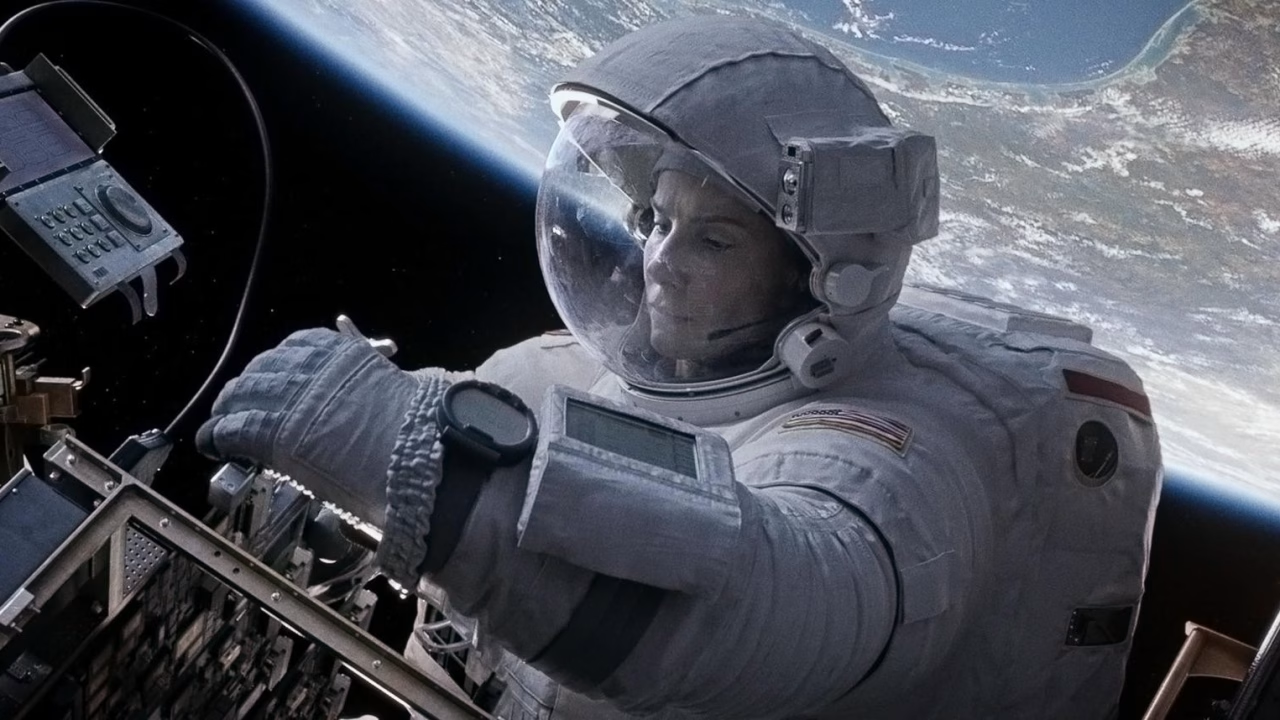
Sandra Bullock’s performance in Gravity helped turn Alfonso Cuarón’s ambitious space thriller into one of the biggest films of 2013, but the movie’s success was also a massive financial victory for its leading star. After reportedly securing a $20 million upfront salary and a highly valuable backend agreement, Bullock was estimated to have earned at least $70 million from the film.
The remarkable deal came at a particularly strong point in Bullock’s career. She had recently won the Academy Award for Best Actress for The Blind Side and was coming off the box office success of The Proposal. When Gravity needed a major star capable of carrying an unconventional and technically demanding film, Bullock was reportedly in a strong position to negotiate.
According to reports from The Hollywood Reporter, later covered by Vanity Fair, Bullock’s deal included $20 million upfront against 15% of the film’s first-dollar gross, along with additional participation in revenue from home entertainment, television and other sources. The result was one of the most famous reported paydays in modern Hollywood.
Why Sandra Bullock’s Gravity Contract Was So Valuable
The key to Bullock’s reported deal was the difference between ordinary profit participation and first-dollar gross participation. In Hollywood, a percentage of a film’s “net profits” can be less valuable because studios may deduct production, marketing, distribution and other expenses before calculating what counts as profit.
Bullock’s reported arrangement was much more favorable. Her 15% participation applied to Warner Bros.’ qualifying revenue before the film’s production and marketing costs were fully deducted. However, the percentage did not mean she received 15% of every worldwide ticket sale, as theaters keep a significant portion of box office revenue.
The $20 million payment also reportedly acted as an advance against her participation. Bullock was guaranteed that amount, while the backend agreement gave her the opportunity to earn substantially more once the film generated enough revenue.
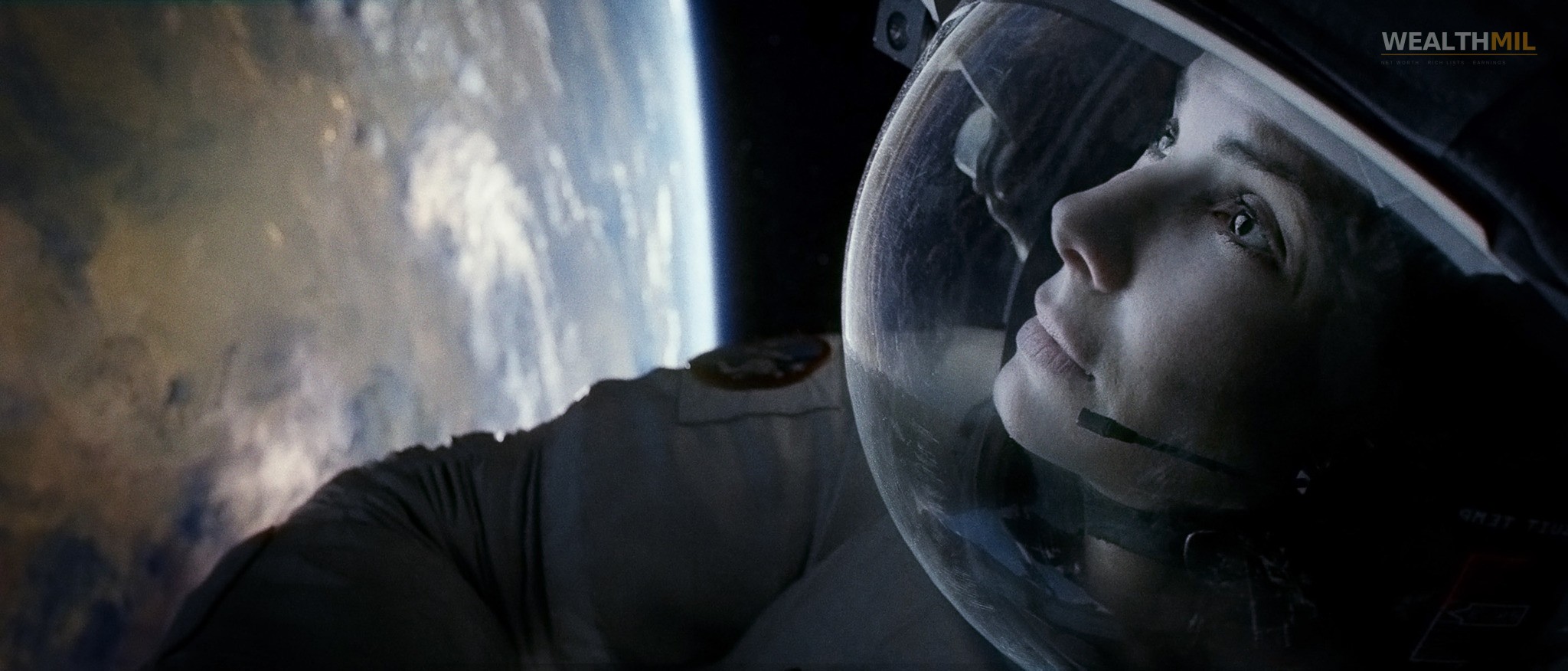
That structure allowed Bullock to benefit directly from Gravity becoming an international hit. It also showed why backend deals can be far more lucrative than even enormous upfront Hollywood salaries.
Gravity’s $723 Million Success Made the Deal Even Bigger
Released in 2013, Gravity earned approximately $723.9 million worldwide, including more than $274 million in North America and nearly $450 million internationally. The film’s success was especially notable because it was not based on an established franchise, comic book or bestselling novel.
Instead, the story placed enormous pressure on its lead performance. Bullock played Dr. Ryan Stone, an astronaut fighting to survive after a catastrophic disaster leaves her stranded in space. For large sections of the film, she is effectively carrying the story alone.
Vanity Fair reported in 2014 that Bullock was expected to earn at least $70 million after her upfront salary, first-dollar gross participation and additional revenue from home video, television and other sources were considered. The exact final amount was never officially disclosed, so the widely reported figure should be treated as an estimate rather than a confirmed final paycheck.
The financial success was matched by major awards recognition. Gravity received 10 Academy Award nominations and won seven Oscars, including Best Director for Alfonso Cuarón, Cinematography, Film Editing, Original Score, Sound Editing, Sound Mixing and Visual Effects. Bullock was also nominated for Best Actress, although Cate Blanchett won for Blue Jasmine.
Sandra Bullock’s Gravity deal remains a striking example of how timing and negotiating power can transform a major role into an extraordinary payday. She reportedly secured both a guaranteed $20 million salary and access to the film’s financial upside, meaning she benefited enormously when Gravity exceeded expectations at the global box office.