Few professional wrestlers have shaped the industry quite like Shawn Michaels. Known as “The Heartbreak Kid” and “Mr. WrestleMania,” Michaels turned a childhood ambition into one of the most celebrated careers in wrestling history. But beyond iconic matches and unforgettable rivalries, his journey also tells a deeper financial story.
With a reported net worth of $10 million, Michaels represents a different kind of success in sports entertainment. Unlike modern superstars who benefit from massive media deals and global branding, his earnings were built during an era where pay-per-view events and live audiences were the primary revenue drivers. His career, marked by both incredible highs and personal struggles, ultimately evolved into a long-term financial foundation.
So how did Shawn Michaels turn decades of wrestling into lasting wealth? Let’s break down his career, earnings, and the decisions that shaped his financial legacy.
From Boyhood Dream to Wrestling Breakthrough
Shawn Michaels’ story begins with a simple but powerful goal. Growing up, he knew he wanted to become a professional wrestler, even performing routines as a teenager. After training under respected professionals, he began his career in regional promotions before making his way to WWE, then known as the WWF.
His early years were defined by tag team success as part of The Rockers alongside Marty Jannetty. While the team gained popularity, it was Michaels’ eventual transition to a solo career that truly changed his trajectory.
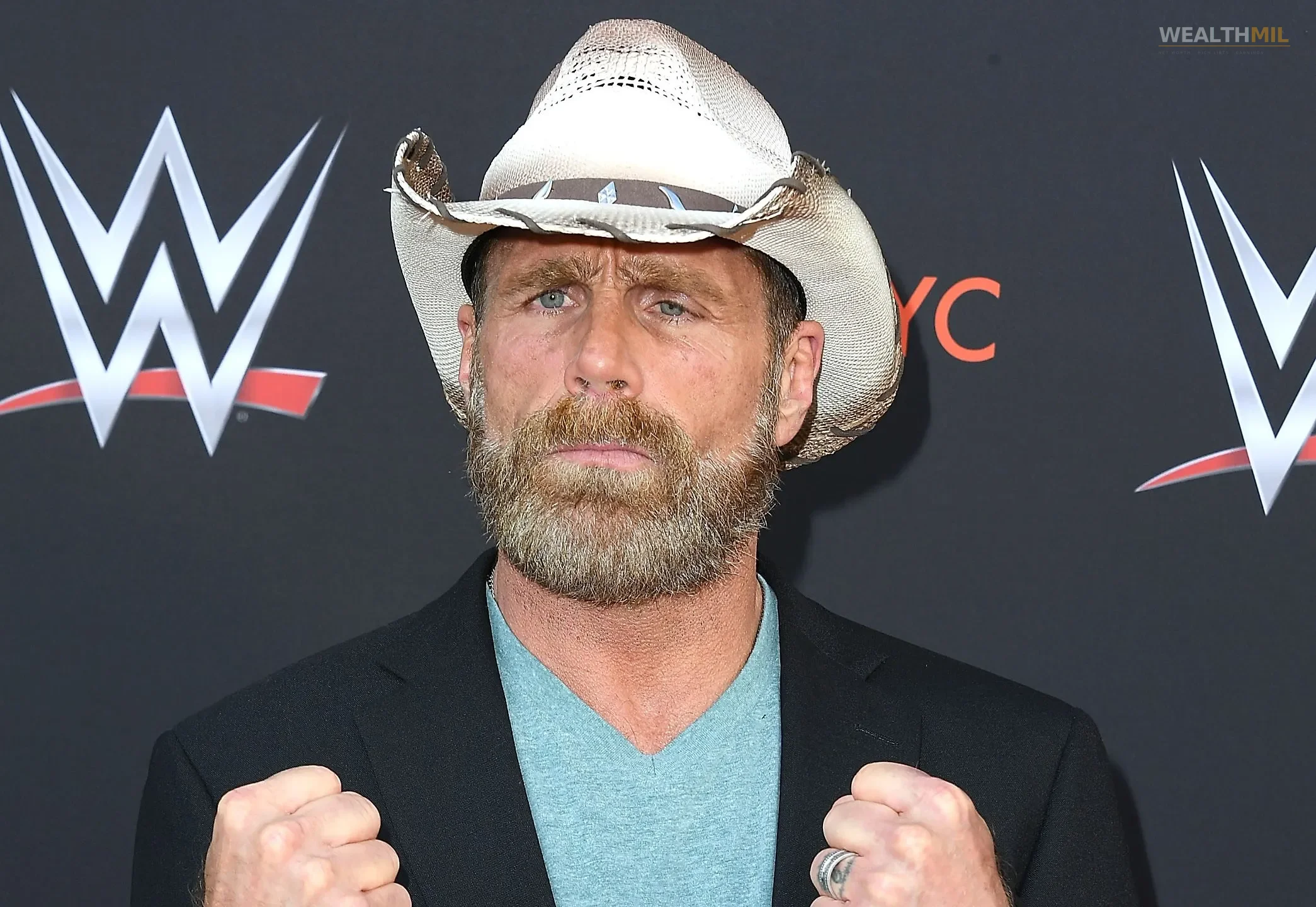
By the early 1990s, he had reinvented himself as “The Heartbreak Kid,” a charismatic and controversial persona that quickly captured audience attention. This shift marked the beginning of his rise as a main-event performer and significantly increased his earning potential.
Main Event Status and Pay-Per-View Earnings
As Michaels climbed the ranks in WWE, he became one of the company’s top attractions. His ability to deliver high-quality matches made him a consistent headliner for major events, particularly WrestleMania.
During the 1990s and early 2000s, pay-per-view events were a major revenue source for wrestling promotions. Stars like Michaels played a key role in driving ticket sales and viewer purchases. His performances against legends such as Bret Hart and Steve Austin are still considered some of the greatest matches in wrestling history.
One standout moment came with his match against John Cena in 2007, widely praised for its storytelling and athleticism. These high-profile matches not only cemented his legacy but also contributed significantly to his earnings during peak years.
Championships, Branding, and Legacy Value
Shawn Michaels’ career includes multiple championship wins, including four world titles. These achievements are more than just accolades. In wrestling, championships often translate into higher pay, more prominent storylines, and increased merchandise sales.
He also co-founded the influential group D-Generation X, which became one of WWE’s most popular factions. The group’s rebellious image resonated with fans and helped drive merchandise revenue, further boosting Michaels’ financial standing.
Branding played a major role in his success. Nicknames like “The Showstopper” and “Mr. WrestleMania” became synonymous with quality performances. This kind of identity helped maintain his market value even during periods when he was not actively competing.
Injuries, Retirement, and Career Comebacks
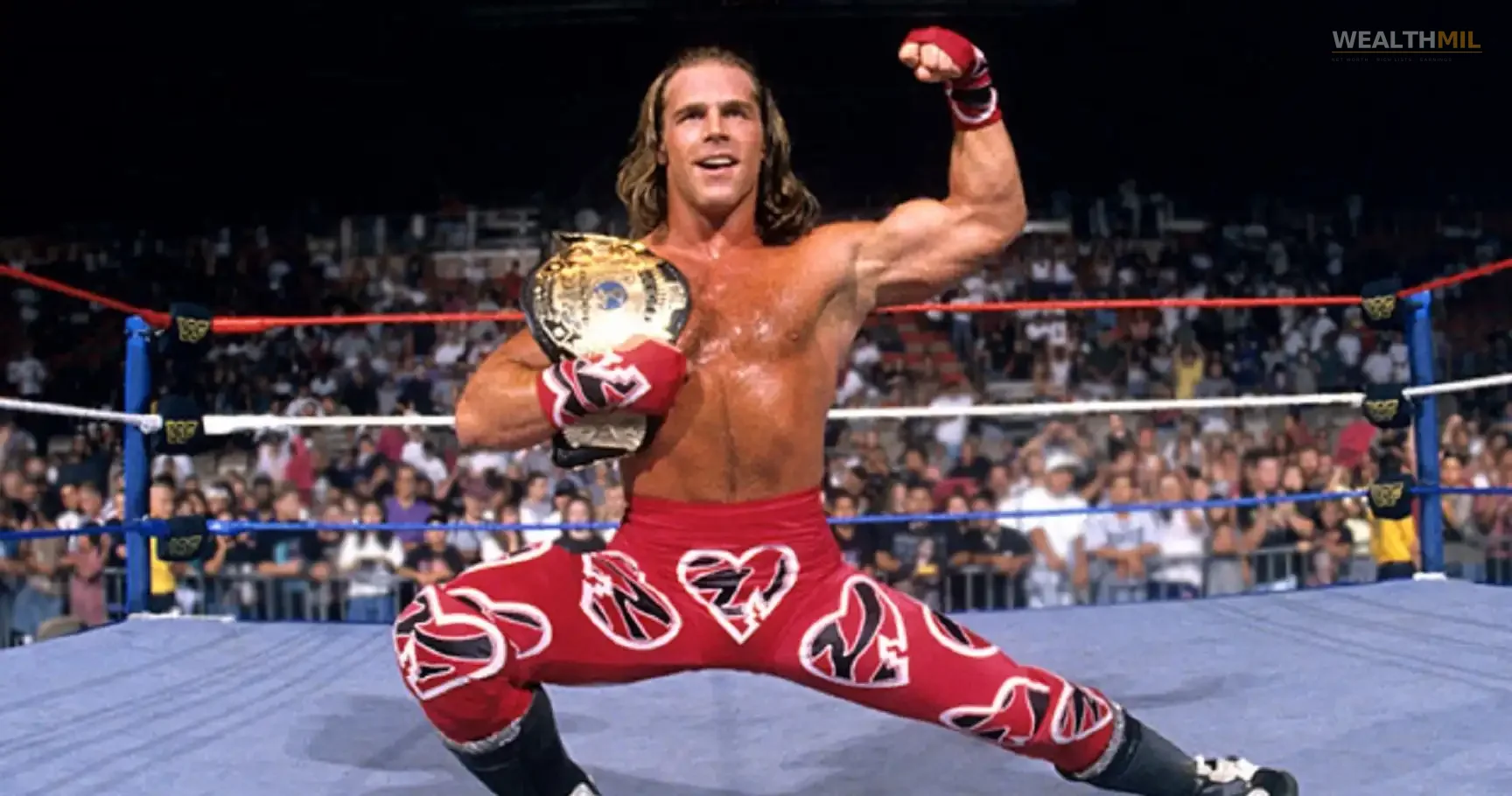
Despite his success, Michaels’ career was heavily impacted by injuries. A serious back injury forced him into early retirement in 1998, cutting short his prime earning years. For many athletes, such setbacks can have lasting financial consequences.
However, Michaels made a remarkable comeback in 2002, reigniting his career and adding another chapter to his legacy. His second run included memorable feuds and matches that continued to draw audiences and generate income.
He officially retired in 2010, though he returned briefly for a match in 2018. While this comeback was met with mixed reactions, it still demonstrated his enduring drawing power.
These periods of retirement and return highlight an important aspect of his financial journey. Longevity in wrestling is not always continuous, but the ability to come back and remain relevant can significantly impact overall earnings.
Life After Wrestling and New Income Streams
After stepping away from in-ring competition, Shawn Michaels transitioned into roles behind the scenes. He became involved in training and mentoring new talent within WWE, ensuring a steady income while staying connected to the industry.
He also explored media ventures, including hosting “Shawn Michaels’ MacMillan River Adventures,” a television show focused on outdoor activities. While not as high-profile as his wrestling career, projects like this contribute to diversified income streams.
In 2015, Michaels released his autobiography, offering fans insight into his life both inside and outside the ring. Book sales, appearances, and speaking engagements further added to his post-retirement earnings.
Personal Struggles and Financial Turning Points
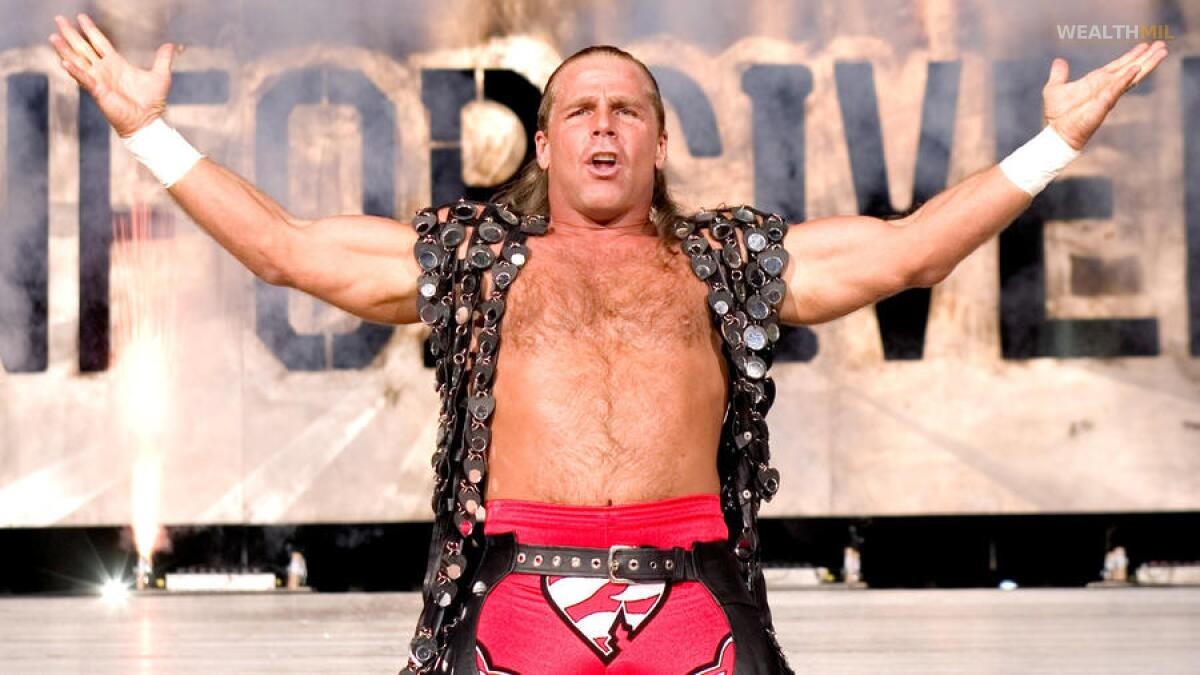
Michaels’ journey was not without challenges. During the early stages of his career, he struggled with substance abuse, which affected both his personal life and professional relationships.
These issues could have derailed his career entirely, but a turning point came in the late 1990s. With support from his family and a renewed focus on his personal values, he managed to overcome these struggles.
This transformation played a crucial role in extending his career and stabilizing his finances. By regaining control of his life, he was able to return to wrestling, rebuild his reputation, and continue earning at a high level.
What Shawn Michaels’ Net Worth Really Represents
At $10 million, Shawn Michaels’ net worth reflects more than just wrestling success. It represents resilience, adaptability, and the ability to evolve over time.
His earnings came from multiple sources, including match payouts, merchandise sales, television appearances, and post-retirement roles. Unlike many modern athletes, he built his wealth during an era with fewer revenue streams, making his financial achievements even more notable.
Perhaps most importantly, his career shows that setbacks do not have to define long-term success. Injuries, personal struggles, and career interruptions all shaped his journey, but they did not prevent him from building a lasting legacy.
In the end, Shawn Michaels’ story is not just about fulfilling a boyhood dream. It is about turning that dream into a sustainable career, one that continues to pay dividends long after the final match.