
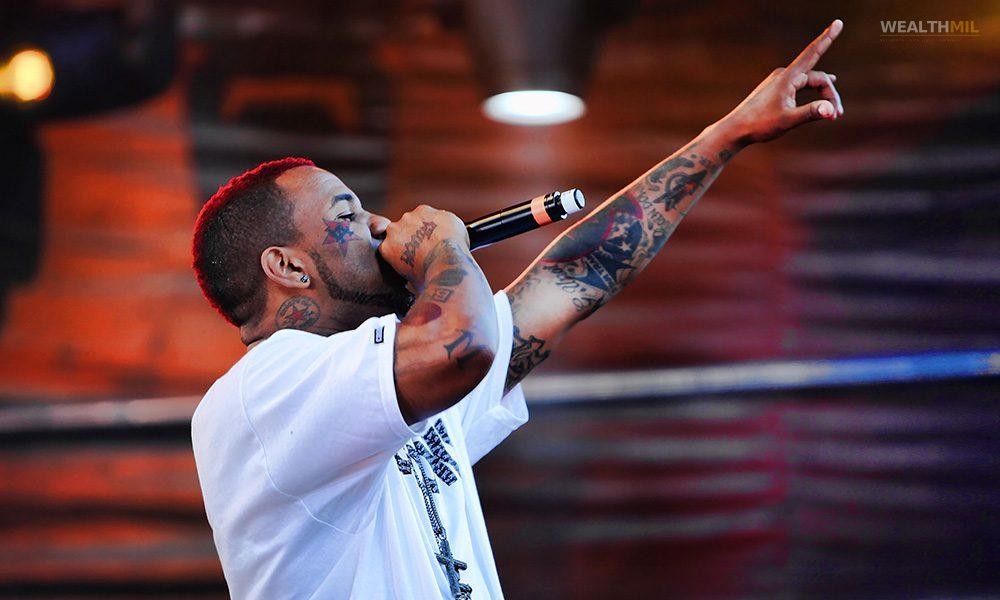
Rapper The Game, whose legal name is Jayceon Terrell Taylor, has suffered another legal setback in the nearly decade-long dispute stemming from Priscilla Rainey’s sexual battery lawsuit. On August 26, 2026, California’s Second District Court of Appeal affirmed a lower-court ruling connected to Rainey’s efforts to collect the $7.13 million judgment awarded to her.
The latest decision does not reopen the original trial or reconsider the jury’s verdict. Instead, it concerns a separate enforcement case Rainey filed in 2021 after alleging that roughly $6.8 million of the judgment remained unpaid. The appellate court rejected Taylor’s procedural arguments and left the enforcement judgment intact.
Why The Game’s latest appeal was rejected
The Game argued that the 2021 lawsuit should not have resulted in a default judgment because he was not properly notified of the proceedings. His lawyers challenged the summons and argued that Rainey failed to mail him the court order allowing service by publication.
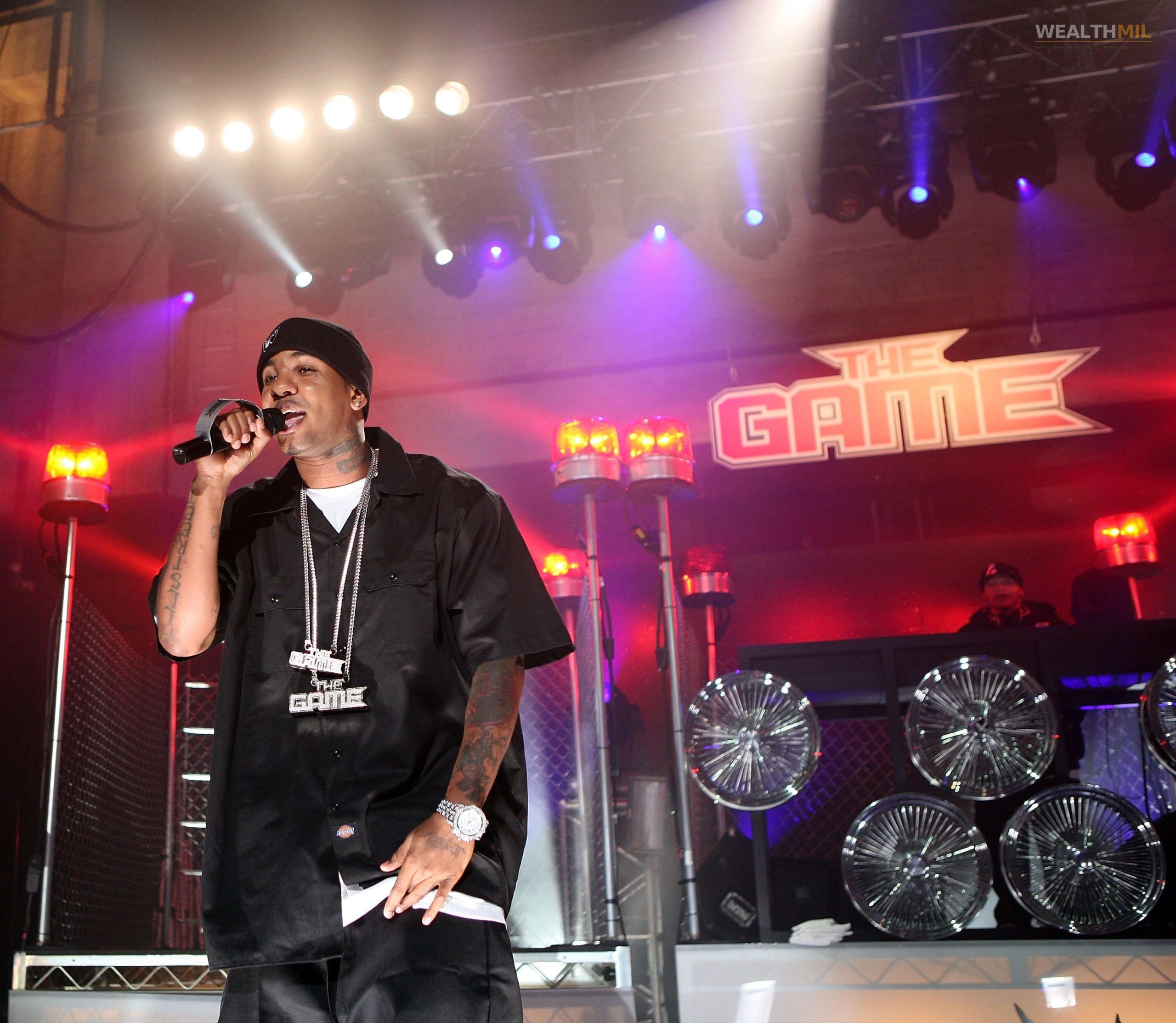
The appeals court disagreed, finding that the summons substantially complied with California law. The court also determined that Rainey was not required to separately mail the publication order to Taylor’s known address.
The underlying dispute began in 2015, when Rainey sued Taylor after an alleged incident connected to VH1’s She’s Got Game. A federal jury later found Taylor liable and awarded Rainey $1.13 million in compensatory damages and $6 million in punitive damages, producing a total judgment of $7,130,100. Taylor did not attend the 2016 trial, and his subsequent challenge to the original judgment was rejected by the Seventh Circuit in 2019.
Rainey’s collection efforts have since extended beyond the original lawsuit. Court proceedings have targeted income and assets associated with Taylor, including his Prolific Records interests and royalties, while the enforcement case also involved his Calabasas property and other disputed transfers.
The latest ruling means those enforcement measures remain in place, although the precise amount still owed can change as payments and collection efforts continue. The decision represents another unsuccessful attempt by Taylor to overturn the legal mechanisms being used to pursue the judgment.