The Glazer family have mastered one of the most profitable plays in modern sports. They acquired iconic franchises, increased their value dramatically, and turned ownership into a long-term wealth engine. From Manchester United to the Tampa Bay Buccaneers, their portfolio represents two of the most recognizable brands in global sport.
But their financial success has always come with controversy. While the Glazers’ net worth has surged, fans, particularly in Manchester, have spent nearly two decades protesting their ownership model. The central issue is not just performance on the pitch, but how the clubs were financed and managed.
Let’s break down how the Glazer family built a multi-billion-dollar sports empire, why their wealth keeps growing, and why fans have never fully accepted the cost of that success.
The Origins of the Glazer Sports Empire
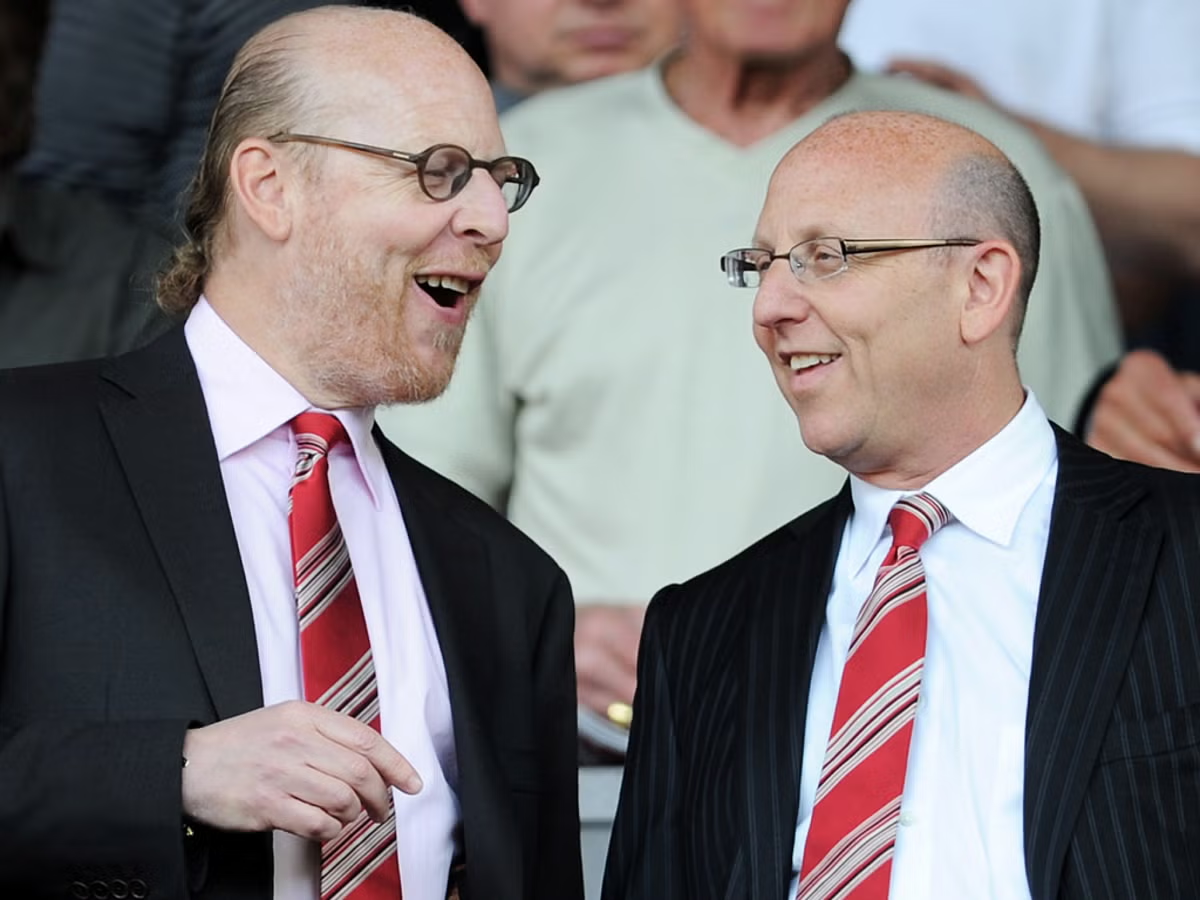
The Glazer family’s journey into sports ownership began with American football. Led by Malcolm Glazer, the family purchased the Tampa Bay Buccaneers in 1995. At the time, the franchise was struggling both financially and competitively.
Under Glazer ownership, the Buccaneers became more stable and eventually successful, winning Super Bowl XXXVII in 2003. The team’s value increased significantly, reflecting a broader trend in the NFL where franchise valuations have consistently risen.
This success laid the foundation for a more ambitious move. The Glazers realized that sports franchises were not just teams, they were global assets capable of generating long-term revenue. That realization would shape their most controversial acquisition.
In 2005, the Glazer family completed a takeover of Manchester United using a leveraged buyout. This method involved borrowing large sums of money to finance the purchase, with the debt then placed onto the club itself.
For fans, this was a turning point. Manchester United had previously been debt-free. Suddenly, it was carrying hundreds of millions in liabilities. Interest payments and debt servicing became a permanent part of the club’s financial structure.
Supporters quickly opposed the move, launching what would become the long-running “Glazers Out” movement. The criticism centered on the idea that the club was being used as a financial asset rather than a sporting institution.
From a business perspective, however, the strategy worked. The club’s global brand continued to grow, generating revenue through broadcasting deals, sponsorships, and commercial partnerships.
Financial Growth and Rising Net Worth
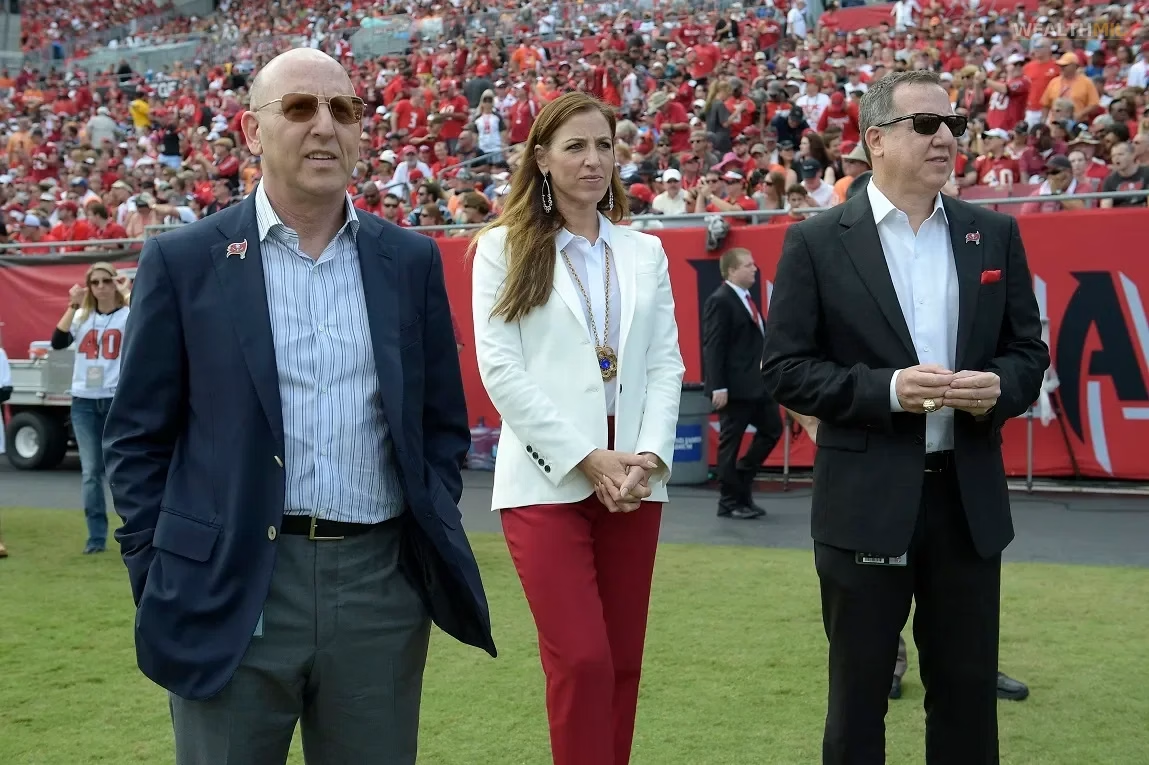
The financial results of the Glazers’ strategy are undeniable. According to recent estimates, each of the six Glazer siblings, including Avram Glazer and Joel Glazer, now has a net worth of around $2 billion.
In just one year, each sibling reportedly added approximately $300 million to their wealth. This increase reflects the continued profitability of their sports investments, particularly Manchester United’s global commercial reach.
Even during periods of inconsistent on-field performance, the club has remained financially strong. Broadcasting rights, sponsorship deals, and global fan engagement ensure steady revenue.
This highlights a key reality of modern sports ownership. Financial success does not always depend on winning trophies. Brand value and commercial strategy often matter more.
One of the most interesting aspects of the Glazer story is the contrast between their two major franchises. The Tampa Bay Buccaneers have experienced recent success, including a Super Bowl victory in 2021.
In contrast, Manchester United has faced challenges on the pitch, struggling to consistently compete for top honors in the Premier League. This difference has fueled criticism from fans who feel the club has not been managed with the same focus on success.
Infrastructure issues, such as the widely reported deterioration of Old Trafford, have become symbolic of this frustration. Images of leaks and outdated facilities have reinforced the perception that investment has been insufficient.
For fans, the comparison raises a key question. If one franchise can thrive under the same ownership, why not the other?
The Partial Sale to Sir Jim Ratcliffe
In 2024, the Glazer family sold a portion of their stake in Manchester United to Jim Ratcliffe, the founder of INEOS. The deal, valued at around £1.5 billion, gave Ratcliffe control over football operations.
While this move reduced the Glazers’ direct involvement in sporting decisions, they retained majority ownership of the club. For many fans, this was not enough. The demand for a full sale remains strong.
From a financial perspective, the partial sale allowed the Glazers to realize some of their investment while maintaining long-term control. It is a classic example of asset optimization, extracting value without fully exiting.
However, it also highlights the ongoing tension between business strategy and fan expectations.
The relationship between the Glazer family and Manchester United supporters remains one of the most contentious in sports. Fans have consistently accused the owners of treating the club as a “cash cow.”
This perception is driven by several factors. Dividends paid to owners, high levels of debt, and perceived underinvestment in infrastructure all contribute to the narrative.
Protests have become a regular occurrence, with fans organizing demonstrations both inside and outside Old Trafford. The use of green and gold scarves, symbolizing the club’s original colors, has become a visual representation of resistance.
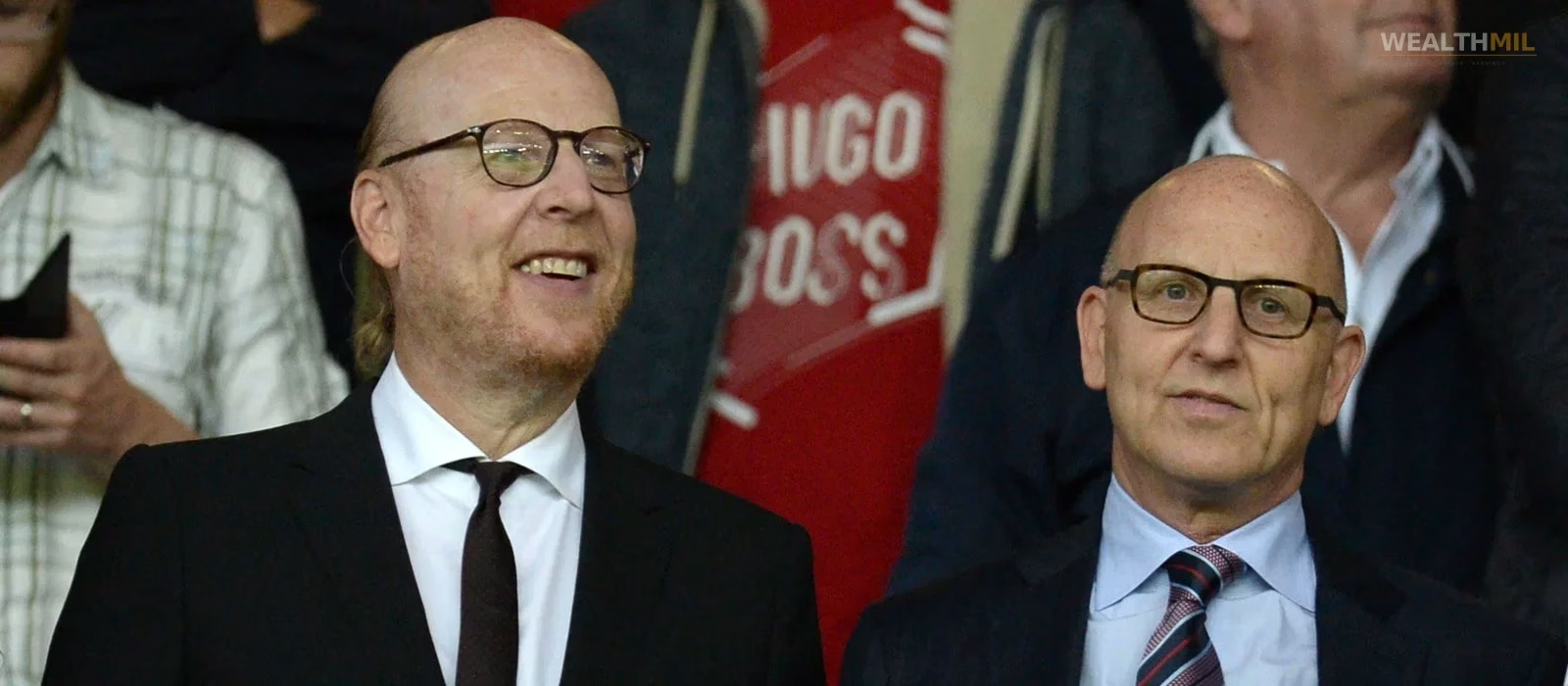
Despite these protests, the Glazers’ financial position has continued to improve. This disconnect between financial success and fan satisfaction is at the heart of the controversy.
The Economics of Modern Sports Ownership
The Glazer family’s success reflects broader trends in sports economics. Top-tier clubs and franchises are no longer just teams. They are global brands with diversified revenue streams.
Television rights, sponsorship deals, and digital engagement have transformed the financial terrain. Owners who can leverage these opportunities can generate significant wealth regardless of on-field performance.
Manchester United, in particular, remains one of the most valuable football clubs in the world. Its global fanbase and commercial appeal ensure consistent revenue.
This model explains why the Glazers have been able to grow their wealth even during periods of sporting inconsistency. It also explains why selling the club entirely is not an easy decision from a business standpoint.
Why Fans Have Never Fully Accepted the Trade-Off
At its core, the conflict between the Glazers and Manchester United fans is about priorities. For owners, the club is an investment. For supporters, it is an identity.
The leveraged buyout, ongoing debt, and perceived lack of reinvestment have created a sense of disconnect. Fans feel that the club’s traditions and ambitions have been compromised.
Even as the Glazers’ net worth continues to rise, this perception has not changed. Financial success does not erase emotional dissatisfaction.
This dynamic is not unique to Manchester United, but it is one of the most visible examples. It highlights the challenges of balancing business interests with fan expectations in modern sports.