John Magufuli remains one of the most talked-about political figures in modern African history. His presidency in Tanzania combined strong economic ambitions with strict governance, creating a legacy that continues to divide opinion both within the country and internationally. To supporters, he was a decisive leader who fought corruption, prioritized national development, and challenged foreign influence. To critics, he represented an increasingly authoritarian figure whose policies limited political freedoms and drew global concern.
Magufuli’s rise to power was built on a reputation for discipline and action. He became widely known for cutting government waste, investing heavily in infrastructure, and presenting himself as a leader focused on ordinary citizens. At the same time, his administration faced criticism over media restrictions, opposition suppression, and controversial health policies during the COVID-19 pandemic.
Understanding who John Magufuli was requires examining both sides of his leadership. His story reflects not only the journey of one man but also broader debates about governance, development, and democracy in Africa.
John Magufuli’s Early Life and Education Shaped His Political Identity
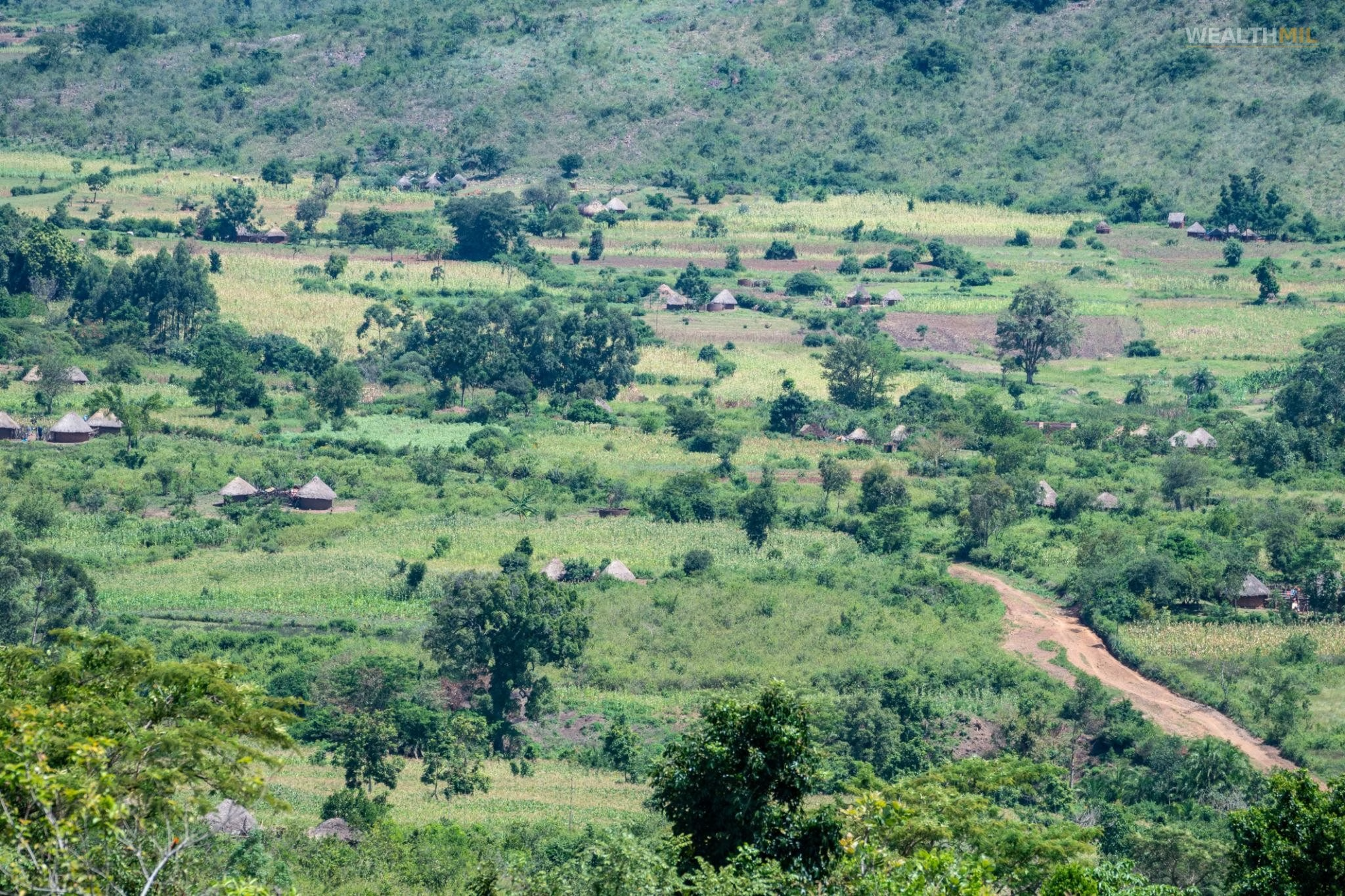
John Magufuli was born in 1959 in Chato, a rural area near Lake Victoria in Tanzania. BBC reporting on his early life highlights that he came from a modest background, with his family involved in cattle farming and local community work. Growing up in a rural setting played a significant role in shaping his political messaging later in life.
Unlike many political leaders who emerge from elite backgrounds, Magufuli often emphasized his connection to ordinary citizens. His upbringing became a central part of his public image, allowing him to present himself as a leader who understood everyday struggles. This relatability helped him build strong support among working-class voters.
He pursued higher education at the University of Dar es Salaam, one of Tanzania’s most respected institutions. There, he studied education and later specialized in chemistry, eventually earning advanced degrees. His academic achievements contributed to his reputation as a disciplined and knowledgeable public figure.
Before entering politics, Magufuli worked as a teacher. This early career choice further reinforced his image as someone grounded in public service rather than elite privilege. His transition from education into politics reflected a gradual path rather than an immediate rise to power.
His Political Rise Began With a Reputation for Discipline
John Magufuli officially entered politics in 1995 when he was elected as a Member of Parliament under Tanzania’s ruling party, Chama Cha Mapinduzi. Over the next two decades, he served in multiple government roles, gradually building influence within the political system.
One of his most important roles came as Minister of Works. Reuters and BBC political coverage frequently noted that during this period, he gained a reputation for efficiency and strict oversight of infrastructure projects. He was known for pushing contractors to complete projects on time and criticizing delays publicly.
This leadership style earned him the nickname “The Bulldozer.” The name reflected his approach to governance, which focused on forceful decision-making and rapid execution. It also became a powerful branding tool during his later presidential campaign.
Magufuli’s growing reputation for discipline helped distinguish him from other political figures. In a system where corruption and inefficiency were common concerns, his image as a strict administrator resonated with voters. This reputation became a key factor in his eventual rise to the presidency.
Magufuli Became President During a Demand for Change
John Magufuli won Tanzania’s presidential election in 2015 at a time when public frustration with corruption and government inefficiency was high. His campaign focused heavily on accountability, discipline, and economic reform.
Once in office, he immediately implemented cost-cutting measures. BBC reporting at the time highlighted that he reduced government spending, limited foreign travel by officials, and cancelled expensive state events. These decisions were widely praised by supporters who viewed them as necessary reforms.
One of his most symbolic actions was cancelling Independence Day celebrations and redirecting funds toward public health initiatives. This move reinforced his image as a practical leader focused on real issues rather than ceremonial activities. It also attracted attention across Africa, with many praising his approach.
Magufuli’s early presidency was marked by strong public approval. Social media trends celebrating his decisions spread across the region, reflecting widespread admiration for his leadership style. His ability to take visible action quickly helped build trust among many citizens.
Infrastructure and Economic Development Defined His Presidency
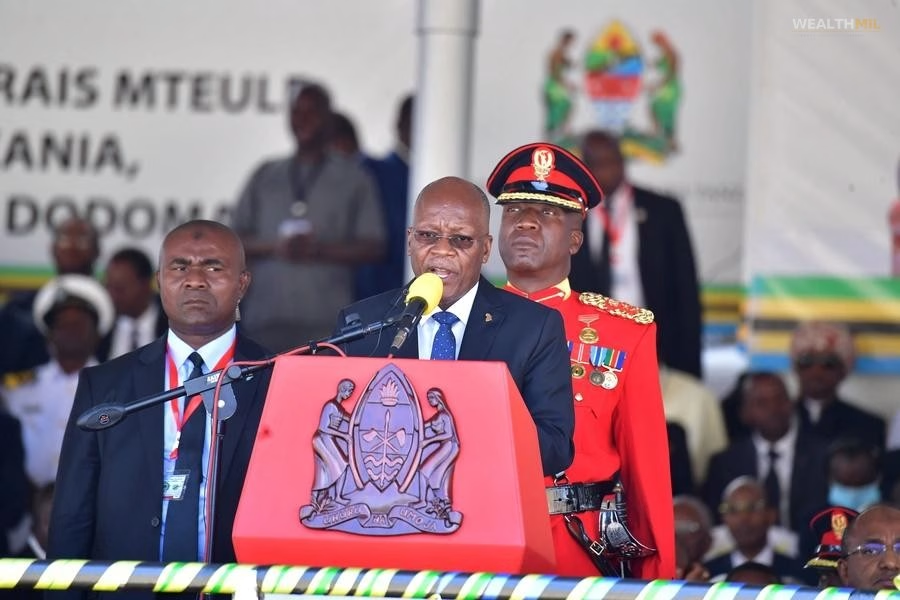
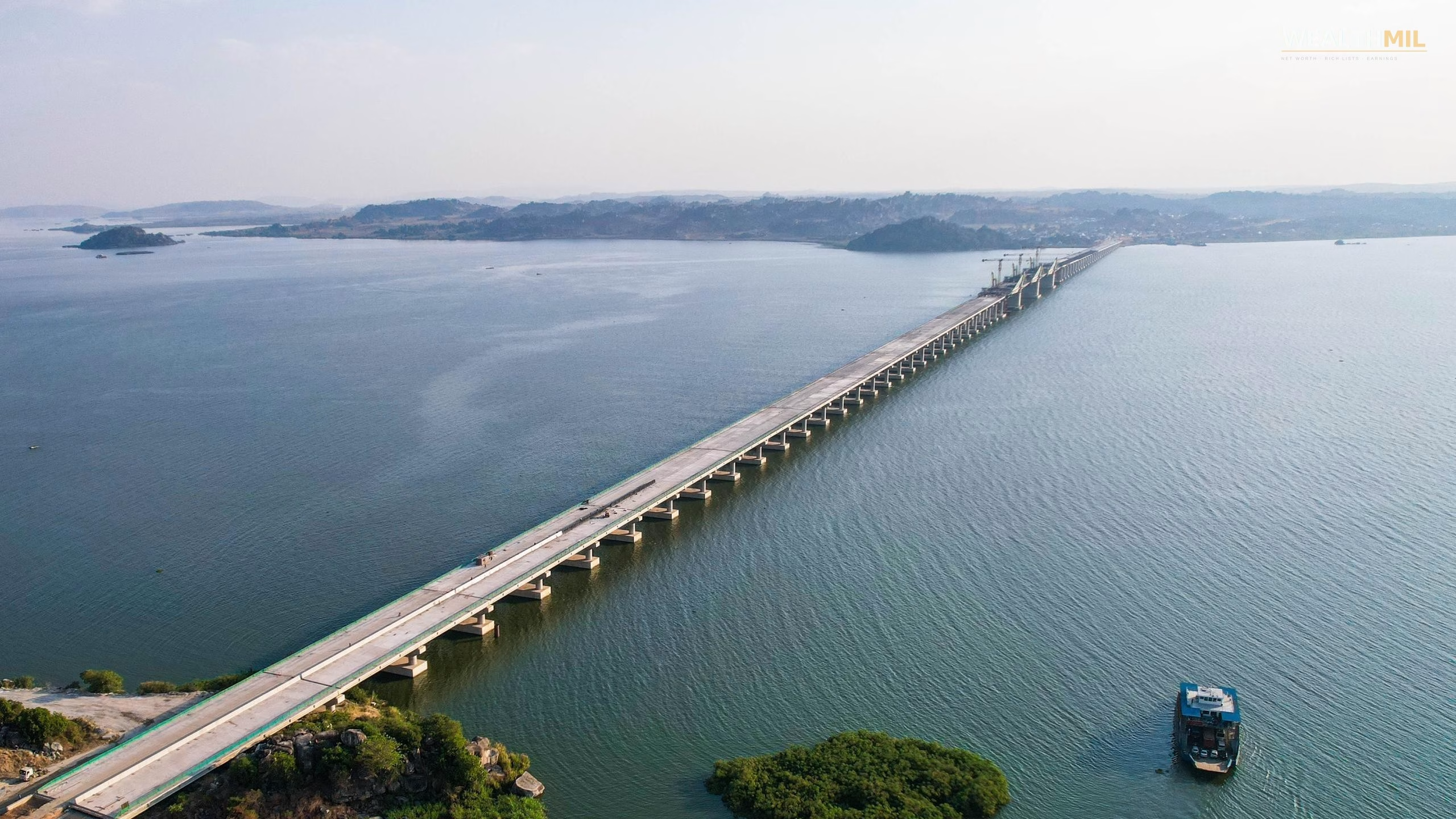
Infrastructure development became the cornerstone of Magufuli’s presidency. His government invested heavily in major projects aimed at modernizing Tanzania’s economy and improving long-term growth prospects.
According to World Bank and IMF-linked reporting referenced by Reuters, Tanzania maintained strong economic growth during much of his presidency. Large-scale projects included railway expansion, hydropower development, and airport upgrades. These investments aimed to improve connectivity and attract foreign investment.
One of the most ambitious projects was the Standard Gauge Railway, designed to improve transportation efficiency across the region. The Julius Nyerere Hydropower Project also became a major symbol of his development strategy. These initiatives reflected his focus on long-term infrastructure as a driver of economic progress.
Magufuli also worked to revive Air Tanzania, the national airline. His government purchased new aircraft and attempted to rebuild the company’s operations. This move aligned with his broader goal of strengthening national institutions.
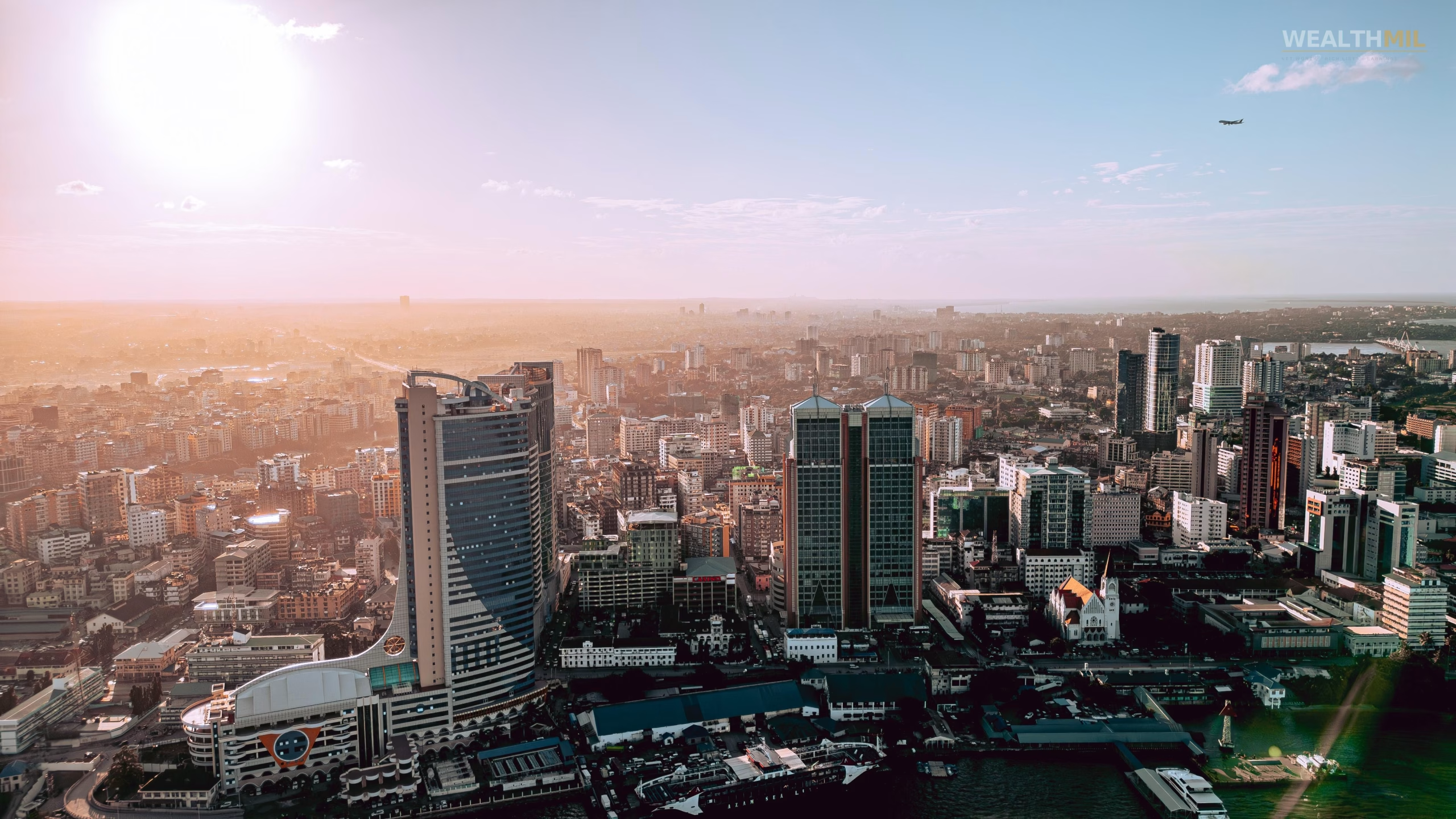
Supporters argued that these efforts helped move Tanzania toward middle-income status. According to international economic reports, the country officially reached lower-middle-income classification during his presidency. This milestone became a major point of pride for his administration.
Anti-Corruption Measures Strengthened His Domestic Support
One of the most popular aspects of Magufuli’s leadership was his strong stance against corruption. He regularly criticized government officials for inefficiency and misuse of public funds.
Reuters reporting highlighted that Magufuli even reduced his own presidential salary, a move that reinforced his image as a disciplined leader. He also conducted surprise inspections of government offices, often exposing problems publicly. These actions created a sense of accountability within state institutions.
His administration also targeted corruption within the mining sector. Tanzania renegotiated contracts with foreign companies to secure a larger share of revenue. This approach reflected his emphasis on economic nationalism and protecting national resources.
These policies resonated strongly with many Tanzanians who felt that corruption had limited economic progress for years. Magufuli’s willingness to confront these issues directly increased his popularity, especially among ordinary citizens.
However, critics argued that his approach sometimes lacked transparency. While his actions appeared decisive, concerns remained about whether institutional reforms were sustainable long term.
Criticism Grew Over Political Freedom and Governance
Despite his popularity among supporters, John Magufuli faced growing criticism over his handling of political opposition and media freedom. International coverage from BBC and Al Jazeera highlighted concerns about restrictions placed on opposition parties and journalists.
Opposition rallies were often limited, and some media organizations faced regulatory pressure. Critics argued that these actions weakened democratic institutions and reduced political competition.
The 2020 presidential election became particularly controversial. Reports from international observers raised concerns about fairness, citing restrictions on opposition campaigns and limited transparency during the voting process. These issues attracted significant global attention.
Human rights organizations also criticized aspects of his social policies. His administration took a strong stance on issues such as LGBTQ rights, drawing condemnation from international advocacy groups.
This growing criticism created a divide between domestic support and international perception. While many Tanzanians continued to support his leadership style, global observers increasingly viewed his presidency as authoritarian.
His COVID-19 Response Became One of the Most Controversial Decisions
John Magufuli’s handling of the COVID-19 pandemic became one of the most debated aspects of his presidency. According to BBC and global health reporting, he downplayed the severity of the virus and questioned testing methods.
Tanzania stopped releasing official COVID-19 case numbers during his administration. Magufuli encouraged prayer and traditional remedies while expressing skepticism toward vaccines and lockdown measures.
Supporters argued that his approach protected the economy by avoiding strict lockdowns. Critics, however, warned that the lack of transparency and scientific guidance posed serious risks to public health.
His absence from public appearances in early 2021 sparked widespread speculation about his health. The government later confirmed that he had died from heart complications at the age of 61. His death marked a sudden end to a highly influential presidency.
The controversy surrounding his COVID-19 policies continues to shape discussions about his legacy. It remains one of the most widely criticized aspects of his time in office.
John Magufuli’s Net Worth and Personal Wealth
Estimating John Magufuli’s net worth remains challenging due to limited financial transparency. Unlike some global leaders, there is no widely verified figure for his personal wealth.
Various reports have suggested that his net worth was relatively modest compared to other political leaders. Estimates often placed it in the range of a few million dollars, though these figures remain speculative.
Magufuli consistently projected an image of simplicity and discipline. He avoided displays of luxury and emphasized modest living throughout his presidency. This image supported his anti-corruption messaging and helped maintain public trust.
His financial profile also reflected Tanzania’s broader economic context. As a developing nation, the country’s political leaders generally operate within different financial expectations compared to wealthier nations.
While questions about political wealth are common globally, Magufuli’s reputation remained tied more to his policies and leadership style than personal riches.
John Magufuli’s Legacy Remains Deeply Divided
John Magufuli’s legacy continues to generate debate long after his presidency ended. His supporters remember him as a leader who prioritized development, fought corruption, and challenged foreign influence. His infrastructure projects and economic policies remain significant achievements in their view.
Critics, however, emphasize concerns about democratic backsliding, media restrictions, and controversial health policies. They argue that his leadership style created long-term challenges for political freedom in Tanzania.
Al Jazeera reporting described his legacy as leaving a “deeply divided nation,” reflecting the contrasting views held by supporters and critics. This division highlights the complexity of his presidency.
His successor, Samia Suluhu Hassan, inherited both the successes and challenges of his administration. Some of his policies continue to influence Tanzania’s development, while others have been reconsidered or adjusted.
Ultimately, understanding who John Magufuli was requires acknowledging both his achievements and controversies. His presidency reshaped Tanzania in lasting ways, making him one of the most significant and debated leaders in modern African politics.