
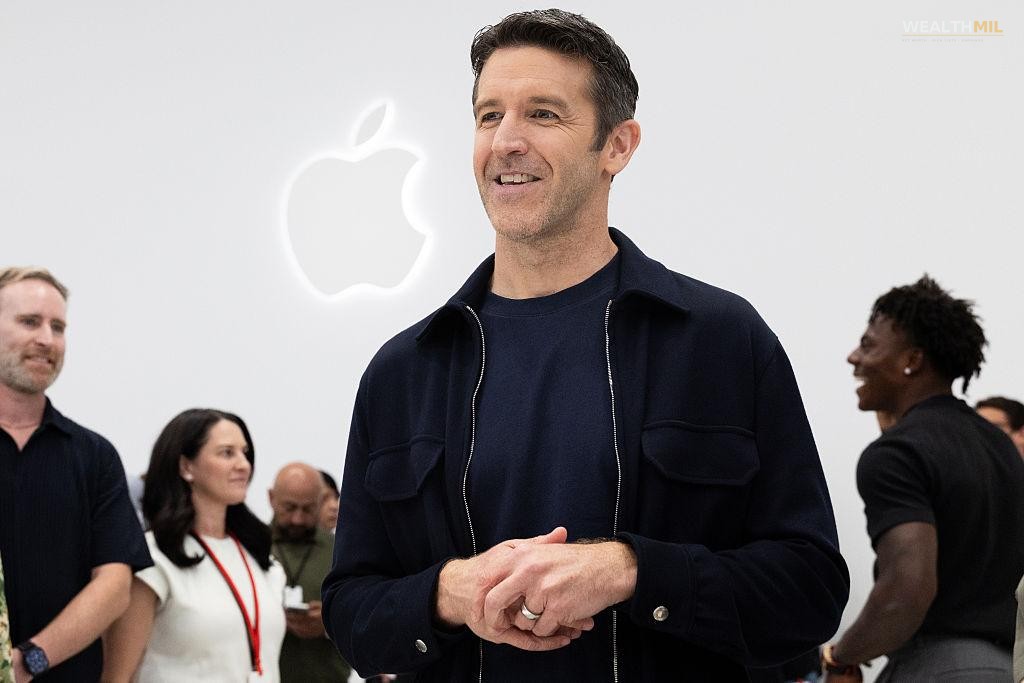
Apple’s leadership history is far more complicated than simply moving from Steve Jobs to Tim Cook and now John Ternus. Since the company’s incorporation in 1977, eight different people have served as Apple CEO, with several taking the position during periods of major uncertainty for the company.
The leadership succession has included executives who built Apple’s early corporate structure, navigated the company through product failures and financial struggles, and eventually oversaw its transformation into one of the world’s most valuable companies. John Ternus officially became CEO on September 1, 2026, replacing Tim Cook as part of a succession plan Apple announced earlier this year.
From Apple’s First CEO to the Ternus Era
Michael Scott was Apple’s first CEO, serving from 1977 to 1981. He helped transform the young company from a small computer operation into a structured business and guided it through its 1980 initial public offering before leaving following an internal management crisis.
Mike Markkula succeeded Scott and served as CEO from 1981 to 1983. One of Apple’s earliest major investors, Markkula had played an important role in financing and establishing the company before eventually handing the CEO position to John Sculley.
Sculley remained CEO for a decade, from 1983 until 1993. He arrived after leaving PepsiCo and oversaw the Macintosh era, but his tenure is particularly remembered for his increasingly bitter relationship with Steve Jobs. The conflict eventually contributed to Jobs leaving Apple in 1985, although Sculley remained at the company for several more years.
Michael Spindler became CEO in 1993 and attempted to stabilize Apple during an increasingly difficult period. His tenure ended in 1996, after which Gil Amelio took control. Amelio inherited a company facing severe financial and product problems and ultimately made the decision to acquire NeXT, the company Jobs had founded after leaving Apple.
That acquisition changed Apple’s future. Jobs returned to Apple following the NeXT deal and eventually replaced Amelio as CEO in 1997.
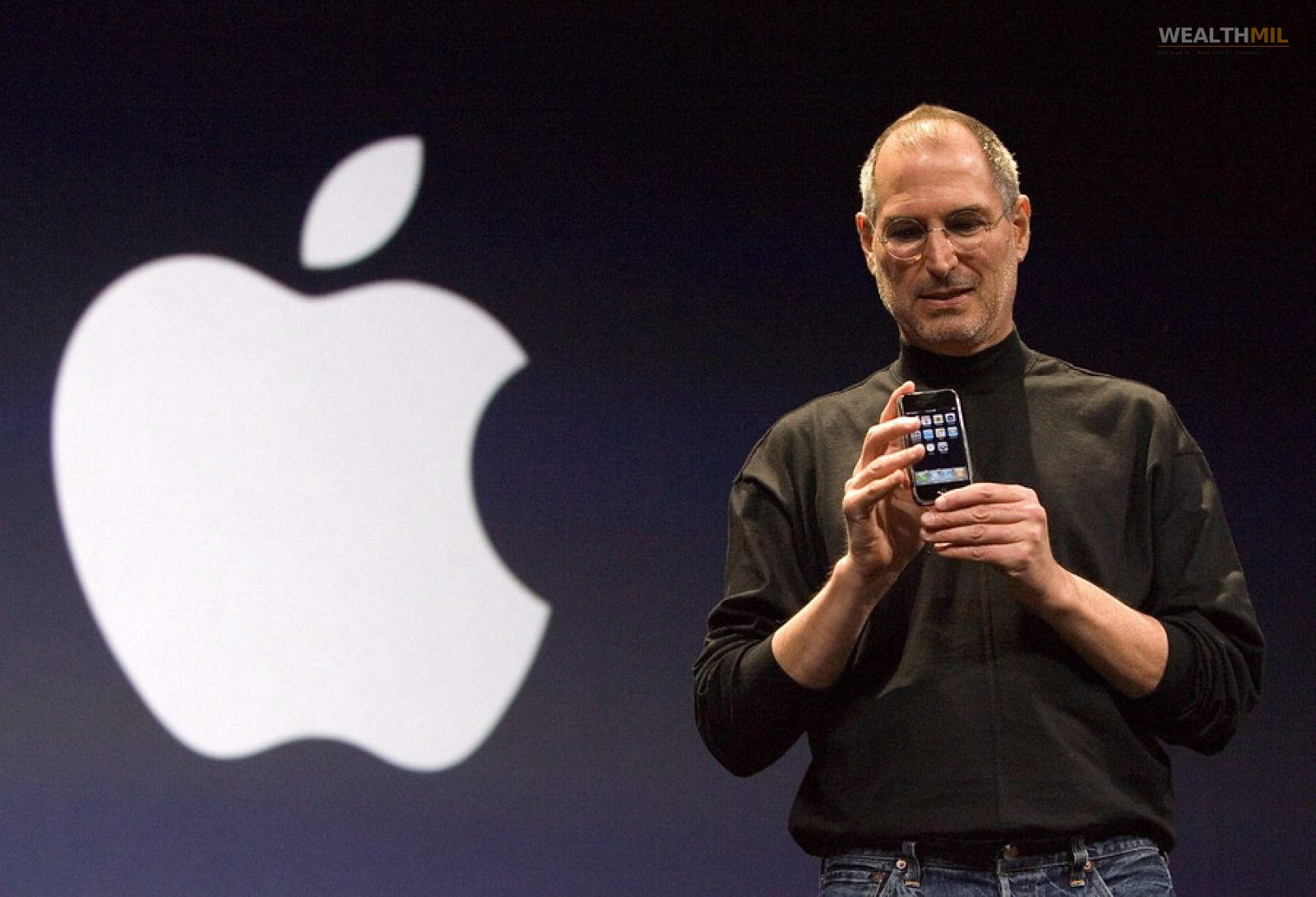
Steve Jobs served as Apple’s CEO from 1997 until his resignation in 2011. His second tenure produced some of the company’s most transformative products, including the iMac, iPod, iPhone and iPad, while also fundamentally reshaping Apple’s product strategy and retail business.
Jobs’ successor, Tim Cook, brought a different leadership style. Cook had joined Apple in 1998 and was instrumental in restructuring its supply chain before becoming CEO in 2011. During his 15 years as CEO, Apple expanded dramatically, introduced products such as Apple Watch and AirPods, grew its Services business and expanded its installed base to more than 2.5 billion active devices, according to Apple’s current leadership profile.
On September 1, 2026, Cook moved into the role of Executive Chairman, while John Ternus became CEO. Apple says Ternus joined the company in 2001 and eventually became senior vice president of Hardware Engineering, overseeing work across products including the iPhone, Mac, iPad and AirPods.
Ternus now inherits a company operating on a vastly different scale from the one managed by Apple’s earlier CEOs. His immediate challenge is not rescuing Apple from bankruptcy or transforming a struggling product lineup, but determining how the company can continue growing while navigating artificial intelligence, new hardware categories and an increasingly complicated global technology market.