

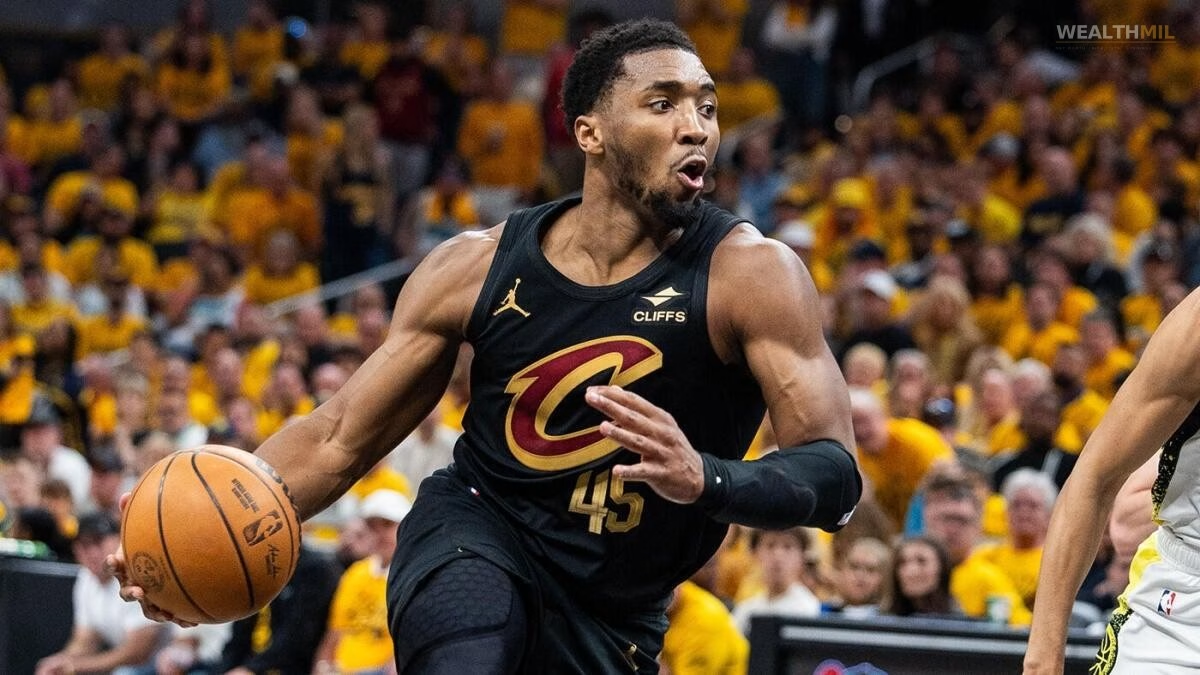
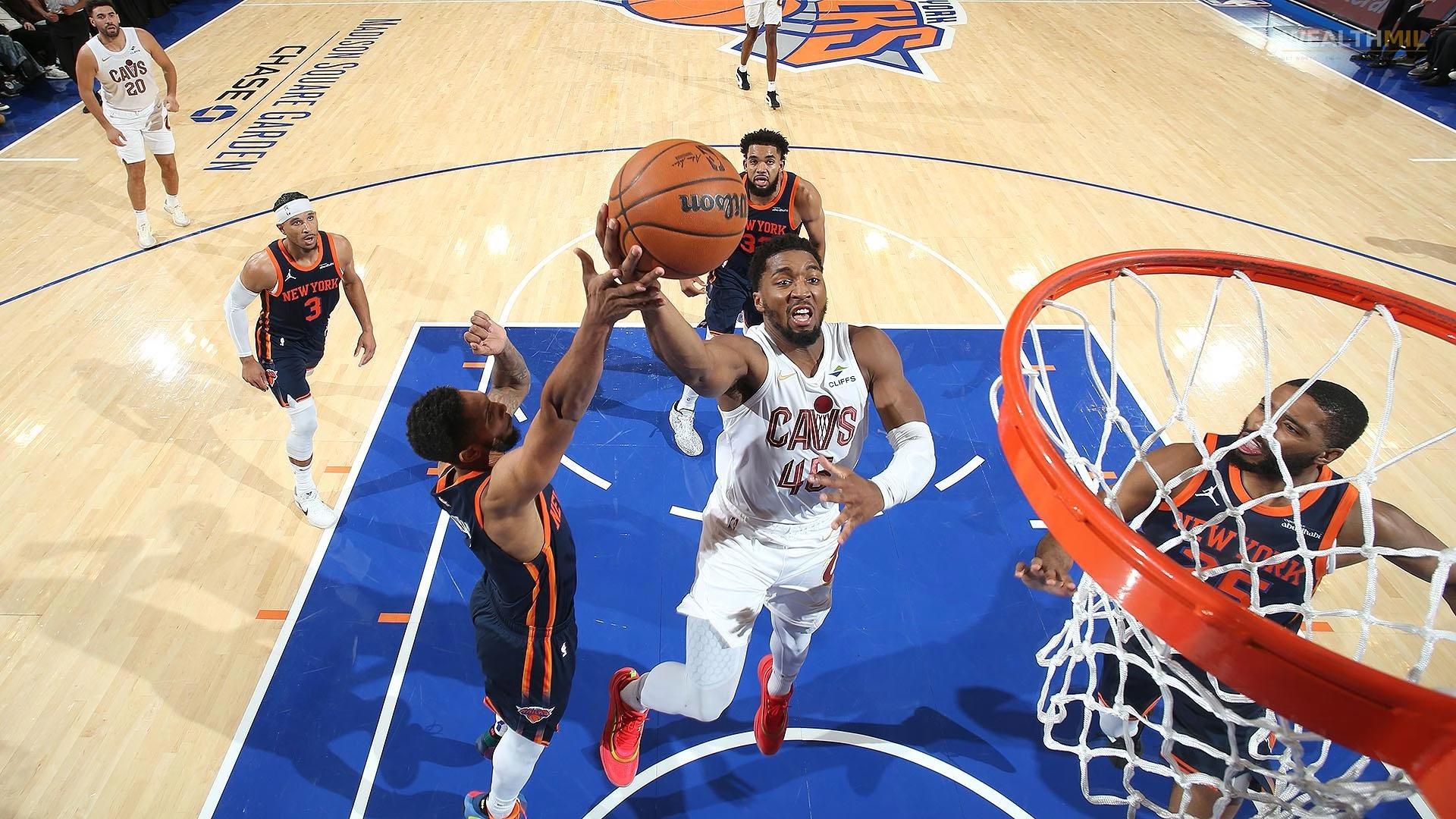
The Cleveland Cavaliers are entering a pivotal offseason centered around one question: what comes next for Donovan Mitchell? Following a strong playoff run that ended in a sweep against the New York Knicks, the organization is now shifting focus toward securing its star guard for the long term.
Mitchell, who remains under contract for one more season, is eligible for a contract extension starting July 7. With multiple financial pathways available, the decision carries significant implications for both the player and the franchise. Cleveland’s front office has made its stance clear, but the timing of Mitchell’s choice could shape the team’s future for years.
Cavaliers Make Their Intentions Clear
Cleveland’s leadership has publicly emphasized its commitment to Mitchell as the centerpiece of the team. President of basketball operations Koby Altman addressed the situation directly, stating, “Donovan is our guy.” He added that contract discussions will take place when the time is right, signaling confidence in reaching an agreement.
The Cavaliers’ push to retain Mitchell reflects his impact since joining the team. His scoring ability and leadership have helped lift Cleveland into a legitimate contender in the Eastern Conference. After exceeding expectations this season, keeping Mitchell has become a top priority.
At the same time, the team must balance financial flexibility with roster construction. Committing to a long-term deal would secure stability but could limit future moves. This makes the upcoming negotiations even more critical.
The Two Contract Paths Explained
Mitchell’s current contract includes one year remaining worth approximately $50.1 million, along with a player option for the 2027–28 season valued at $53.8 million. This structure gives him leverage in deciding his next step.
If he chooses to sign an extension this summer, the Cavaliers can offer a deal worth up to $272 million over four years. This option provides immediate financial security and locks in a long-term partnership with the team.
However, waiting until next year could unlock an even larger opportunity. Once Mitchell reaches 10 years of NBA service, he becomes eligible for a supermax extension, assuming he maintains All-NBA status. That deal could reach approximately $350 million over five years, potentially making it one of the largest contracts in league history.
While the annual salary difference between the two options is relatively small, the added year and total value make the second option significantly more lucrative. For a player entering his 30s, long-term security could be a deciding factor.
Risks of Waiting vs Signing Early
Despite the financial upside of waiting, there are clear risks involved. Injuries or a decline in performance could affect Mitchell’s market value and limit future offers. In a league where circumstances can change quickly, delaying a contract decision is not without consequences.
There is also the question of team direction. If Mitchell waits another season, the Cavaliers’ roster and competitiveness could shift. Any changes that impact his confidence in the organization might influence his willingness to commit long term.
On the other hand, signing now would eliminate uncertainty. It would guarantee financial stability and allow both Mitchell and the team to focus entirely on competing for a championship. The decision ultimately comes down to balancing immediate security with potential long-term gain.