
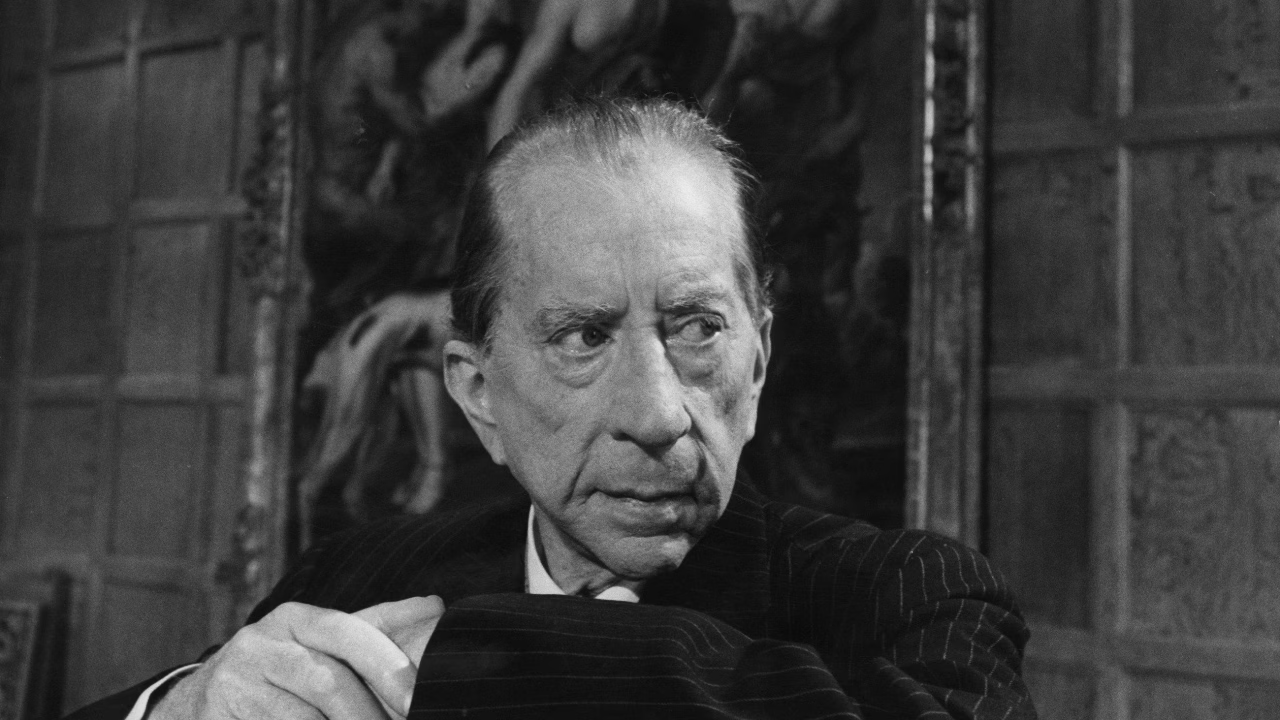
J. Paul Getty was one of the richest people in the world when his 16-year-old grandson, John Paul Getty III, was kidnapped in Rome in 1973. The kidnappers initially demanded $17 million for his release, a staggering amount that Getty could afford but refused to pay.
Getty argued that paying such a ransom could put his other grandchildren at risk. His decision became one of the most controversial episodes associated with the Getty fortune, particularly after the kidnappers demonstrated that they were serious about harming Paul.
Why Getty refused to pay the initial ransom
Paul Getty III was abducted on July 10, 1973, and held by kidnappers in southern Italy. His family soon received the $17 million ransom demand, but Getty reportedly questioned whether the kidnapping was genuine because his grandson had previously joked about staging his own abduction for money.
Paul’s mother, Gail Harris, pushed for action while the teenager remained imprisoned. Getty maintained that paying could make the rest of his family more attractive targets, famously saying,
“I have 14 other grandchildren, and if I pay one penny now, then I’ll have 14 kidnapped grandchildren.”
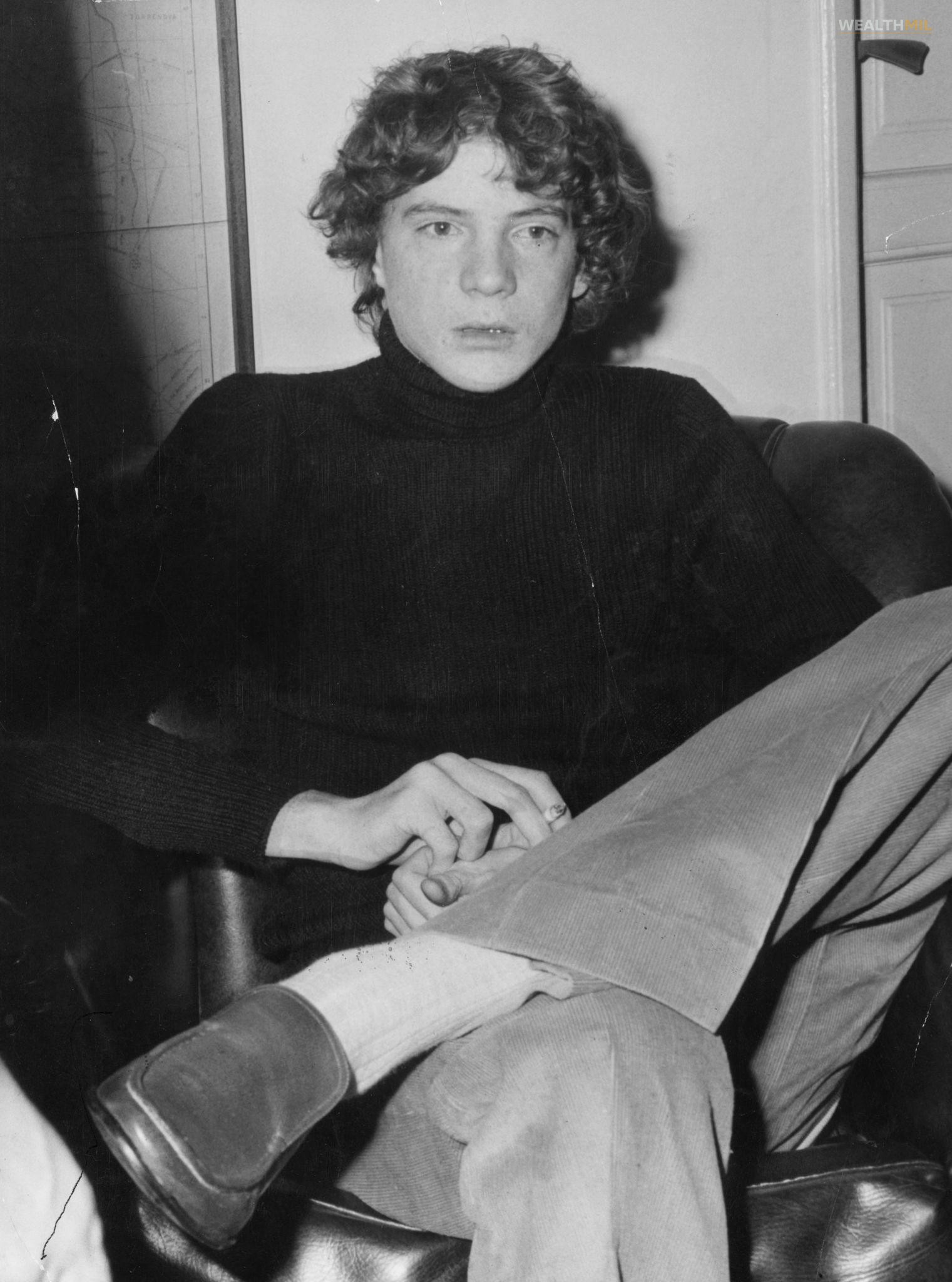
The standoff lasted for months. In November, the kidnappers sent a package containing a lock of Paul’s hair and one of his severed ears to an Italian newspaper, accompanied by another threat.
By then, the ransom had fallen dramatically to around $3.2 million. Getty eventually agreed to provide approximately $2.2 million, reportedly the maximum amount his advisers said could receive favorable tax treatment. He supplied another $800,000 to his son as a loan at 4% interest.
Paul was finally released on December 15, 1973, after roughly five months in captivity.
The ordeal had lasting consequences. Paul later struggled with substance abuse and suffered a devastating stroke in 1981 that left him severely disabled. He continued living with those disabilities until his death in England in 2011 at age 54.
The kidnapping remains one of the most extraordinary chapters in the history of the Getty family, illustrating both the immense scale of J. Paul Getty’s wealth and his famously complicated attitude toward spending it.