

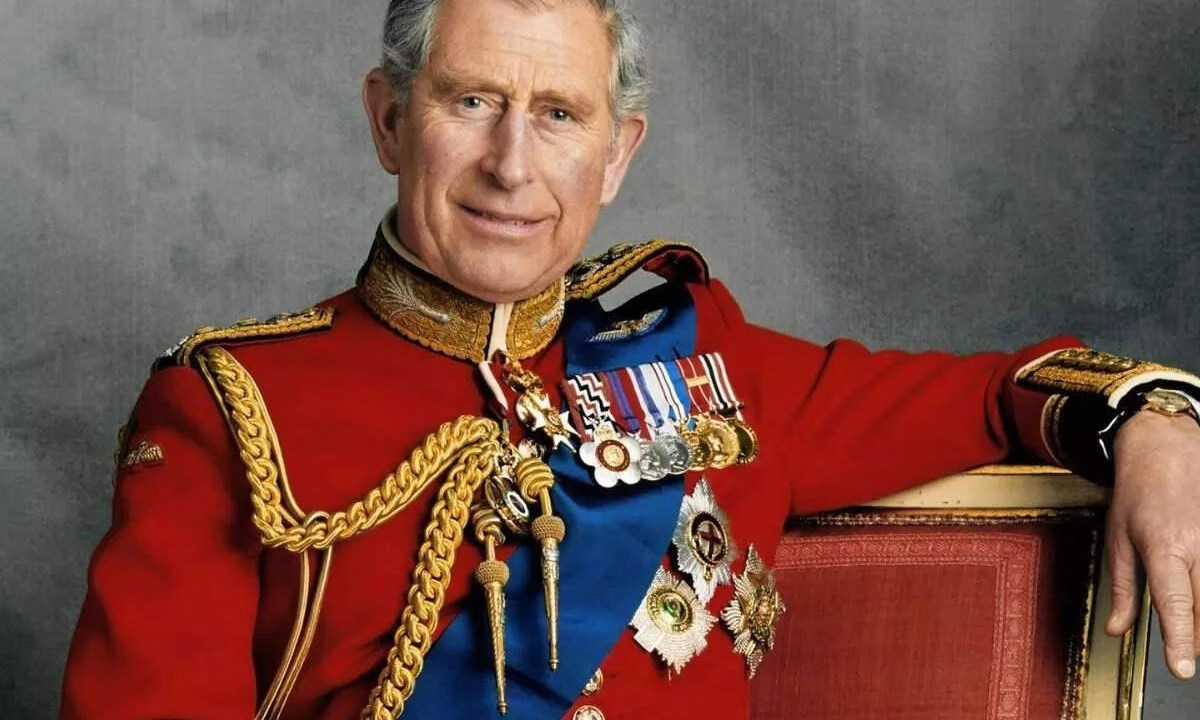
King Charles III has recorded a significant rise in his personal fortune, with new figures showing an increase of £40 million over the past year. According to The Sunday Times Rich List, the monarch’s wealth has climbed from £640 million to approximately £680 million. This growth has also pushed him up 33 places in the rankings, placing him among the wealthiest individuals in the United Kingdom. The increase reflects long-term financial management rather than sudden gains. It also highlights how his personal assets remain separate from those of Queen Camilla.
Unlike the broader wealth associated with the British monarchy, Charles’ personal fortune is tied to specific holdings and past earnings. This distinction is important, as many royal properties and assets are state-owned. The reported increase offers a clearer look at his individual financial standing. It also underscores the role of careful financial planning over several decades. For observers, the figures provide insight into how the monarch manages private wealth.
Duchy of Cornwall Played a Key Role
A major portion of Charles’ wealth growth can be traced back to his time as Duke of Cornwall. Through the Duchy of Cornwall, he oversaw a vast portfolio of land and assets valued at over £1.1 billion. The estate spans roughly 130,000 acres and generates income through agriculture, property, and commercial ventures. During his tenure, Charles significantly increased its profitability. By 2022, annual profits had reached £25.4 million.
This steady income allowed him to build personal reserves over time. Unlike inherited wealth alone, much of his fortune reflects active management of the Duchy’s resources. The estate’s performance played a crucial role in shaping his financial position. It also demonstrates how royal responsibilities can intersect with business operations. For Charles, this period laid the foundation for his current wealth.

“Prudent” Financial Approach After Divorce
One of the most notable aspects of Charles’ financial strategy is his cautious approach to saving. A former royal aide described him as “prudent” in managing his finances, particularly after the costly divorce from Diana, Princess of Wales. That settlement reportedly required a payment of around £17 million. The experience appears to have influenced his long-term financial behavior. Since then, he has focused on building and preserving his wealth.
The aide explained that Charles made a conscious effort to “tuck away some money” from Duchy profits following that period. This approach was not about accumulating vast sums quickly but rather maintaining steady growth. Over time, this strategy has proven effective. It has allowed him to rebuild and expand his financial position. The recent increase in his net worth reflects that consistency.
How the Monarch Earns and Manages Money
In addition to personal assets, Charles receives funding through the Sovereign Grant. This annual allocation supports official duties, including royal engagements and maintenance of residences. The grant is funded by profits from the Crown Estate, which reported significant earnings in recent years. However, these funds are not considered personal income. They are used strictly for official purposes.
It is also important to note that many iconic royal properties, such as Buckingham Palace and Windsor Castle, are not privately owned. Instead, they belong to the state and do not contribute to personal wealth. This distinction often leads to misconceptions about royal finances. Charles’ personal fortune is separate from these assets. It is primarily built on private estates and investments.
Private Estates and Valuable Assets
Among Charles’ personal holdings are estates such as Balmoral and Sandringham. These properties are privately owned and contribute to his wealth. Balmoral is estimated to be worth around £80 million, while Sandringham could exceed £250 million. Sandringham, in particular, generates income through tourism and commercial activities. Visitors are charged entry fees, and the estate includes rental properties and farmland.
In addition to property, the royal family possesses an extensive jewellery collection. Estimates place its value at over £500 million, although this figure is not fully tied to Charles alone. Items from the collection have historically fetched high prices at auction, reflecting their cultural and historical significance. These assets add another dimension to the monarch’s financial profile. They also highlight the diversity of his holdings.