

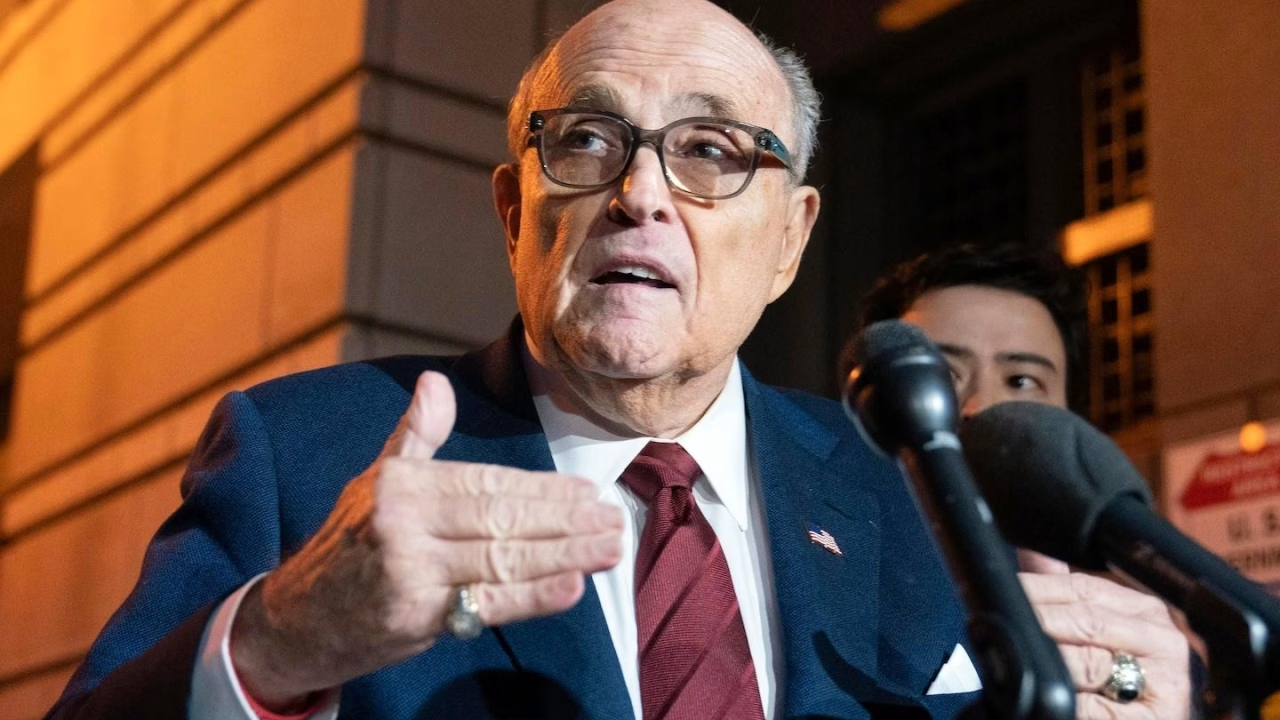
Rudy Giuliani was once one of the most recognizable figures in American public life. As the former mayor of New York City and a central figure during the aftermath of the September 11 attacks, Giuliani earned national and global recognition. His leadership during that crisis led to the widely used title “America’s Mayor,” elevating his political profile to historic levels.
However, the decades that followed tell a far more complex story. From lucrative consulting deals and political influence to legal challenges and financial setbacks, Giuliani’s career has seen dramatic shifts. His net worth, once estimated in the tens of millions, has reportedly declined significantly in recent years due to legal expenses and judgments tied to ongoing controversies.
Today, Rudy Giuliani’s financial situation is often cited as an example of how public prominence, when combined with legal and political risk, can dramatically reshape personal wealth. His story is not just about money, but about how power, reputation, and accountability intersect over time.
Rudy Giuliani’s net worth in 2026 and financial status
As of 2026, Rudy Giuliani’s net worth is widely reported to be significantly reduced, with estimates suggesting his financial position has dropped sharply from earlier highs. While he was once believed to have a net worth exceeding $40 million during the peak of his post-mayoral career, recent legal developments have changed that outlook.
Reports from major outlets like CNN and The New York Times have highlighted the financial strain caused by mounting legal fees and court judgments. One of the most notable developments was a defamation case in which Giuliani was ordered to pay substantial damages, reportedly totaling over $140 million. This ruling alone had a major impact on his financial standing.
In addition to legal penalties, Giuliani has faced challenges related to asset management and income stability. His consulting business, which once generated significant earnings, has reportedly declined in influence. These factors collectively contribute to a much lower net worth compared to his earlier years.
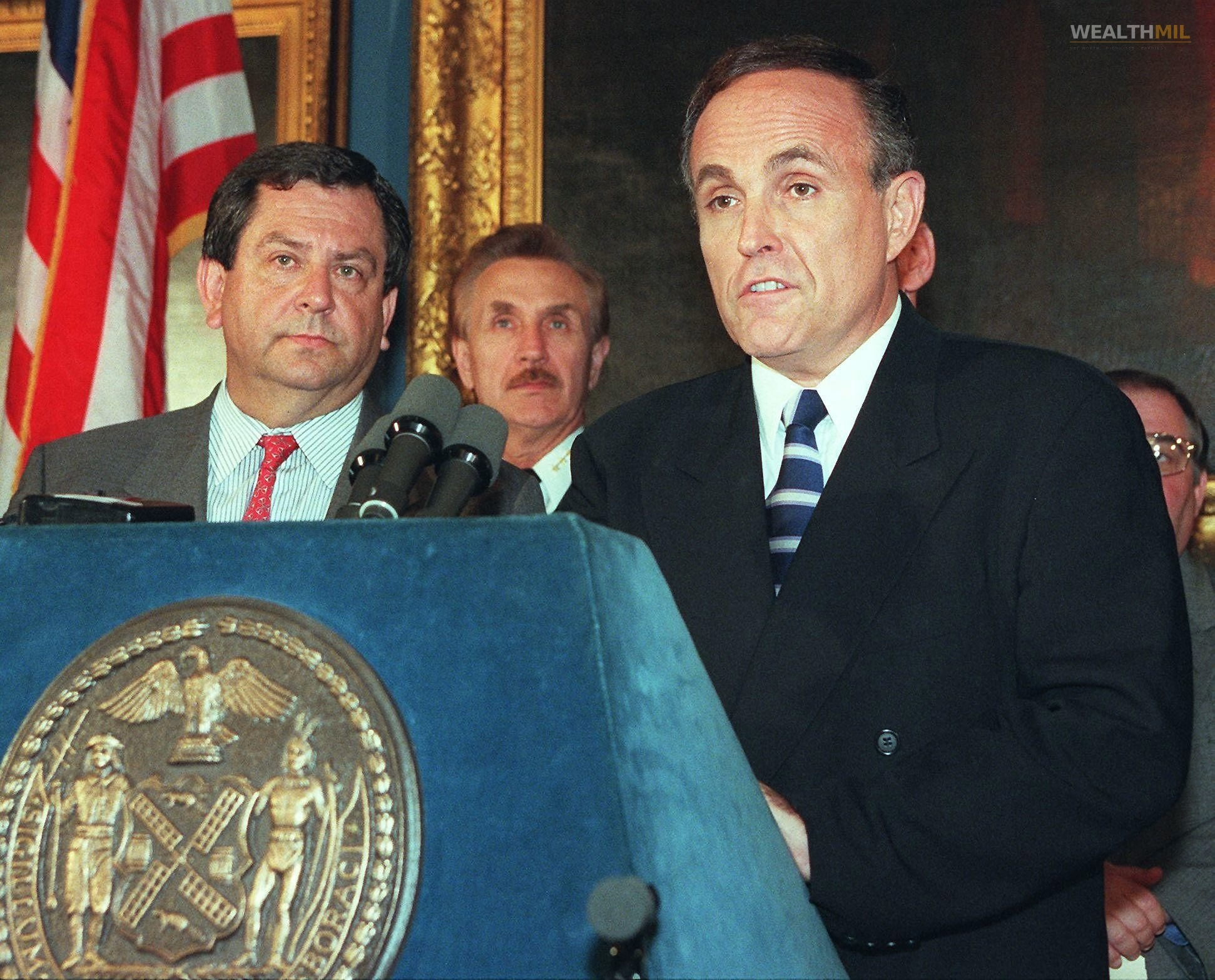
While exact figures remain uncertain due to ongoing legal proceedings, it is clear that Giuliani’s financial trajectory has shifted dramatically. His current situation reflects both the volatility of public life and the financial consequences of legal disputes.
Early career and rise to political prominence
Rudy Giuliani’s journey to national prominence began with his work as a federal prosecutor. As U.S. Attorney for the Southern District of New York, he gained a reputation for aggressively pursuing organized crime and financial corruption. These efforts helped establish his public image as a tough and effective law enforcement figure.
His success in the legal field paved the way for a political career. Giuliani was elected mayor of New York City in 1993, a time when the city faced high crime rates and economic challenges. His administration focused on crime reduction, urban reform, and economic development.
During his tenure, crime rates declined significantly, and the city experienced a period of economic growth. These achievements contributed to his reputation as a strong and decisive leader. By the end of his second term, Giuliani had become one of the most prominent political figures in the United States.
This early success laid the foundation for both his influence and his financial opportunities in the years that followed.
Leadership during 9/11 and national recognition
Giuliani’s most defining moment came during the September 11 attacks in 2001. As mayor, he became a central figure in the city’s response to the crisis. His leadership during this period was widely praised, both domestically and internationally.
He provided frequent updates, coordinated emergency responses, and became a symbol of resilience for the nation. Media coverage at the time often highlighted his calm and authoritative presence. This period solidified his reputation as “America’s Mayor.”

The recognition he received after 9/11 significantly elevated his public profile. It also created new opportunities for speaking engagements, consulting work, and media appearances. These opportunities contributed to his financial growth in the years immediately following his mayoral tenure.
This phase of his career represents the peak of his public influence. It also marked the beginning of a transition from public office to private sector opportunities.
Post-mayoral career and financial peak
After leaving office, Giuliani transitioned into the private sector, where he capitalized on his reputation and connections. He founded Giuliani Partners, a consulting firm that provided security, crisis management, and business advisory services.
The firm reportedly secured high-profile clients, both domestically and internationally. These engagements often involved substantial fees, contributing to Giuliani’s growing net worth during the early 2000s.
In addition to consulting, Giuliani earned income through speaking engagements. His experience during 9/11 made him a sought-after speaker, with reports suggesting he commanded significant fees per appearance.
This period represented the financial peak of his career. His combination of political influence and business ventures allowed him to accumulate considerable wealth. However, this success would later be overshadowed by controversies and legal challenges.
Political involvement and controversies
In the years following his mayoral tenure, Giuliani remained active in politics. He ran for the Republican presidential nomination in 2008 but was ultimately unsuccessful. Despite this, he continued to play a role in national political discussions.

His involvement intensified during the presidency of Donald Trump, where he served as a personal attorney and advisor. This role placed him at the center of several high-profile controversies.
Giuliani’s actions and statements during this period attracted significant media attention. Critics and supporters alike debated his role in various political and legal matters. This increased visibility came with both influence and risk.
Controversies can have financial consequences, particularly when they lead to legal challenges. For Giuliani, this period marked the beginning of a shift in his financial trajectory.
Legal battles and financial decline
One of the most significant factors affecting Giuliani’s net worth has been his involvement in legal disputes. These cases have resulted in substantial legal fees and financial liabilities.
The defamation case involving election workers Ruby Freeman and Shaye Moss became a major turning point. A jury awarded damages exceeding $140 million, creating a significant financial burden. Reports from outlets like CNN and The New York Times emphasized the scale of this judgment.
In addition to this case, Giuliani has faced other legal challenges related to his political activities. These issues have required extensive legal representation, further increasing his expenses.
Legal battles can quickly erode wealth, particularly when combined with declining income streams. In Giuliani’s case, these factors have contributed to a sharp decline in his net worth.
Asset challenges and financial restructuring
As legal pressures mounted, Giuliani reportedly faced challenges related to his assets. Reports indicated that he struggled to meet financial obligations, leading to discussions about asset liquidation.
Real estate holdings, personal belongings, and other assets became part of the broader conversation about his financial situation. These developments highlighted the severity of his financial decline.
Financial restructuring often becomes necessary in situations involving large legal judgments. This process can involve selling assets, negotiating settlements, or restructuring debts.
For Giuliani, these challenges represent a stark contrast to the financial success he experienced earlier in his career. They also underscore the impact that legal issues can have on personal wealth.

How public reputation affects financial stability
Rudy Giuliani’s financial journey illustrates the connection between public reputation and economic success. During his peak years, his reputation as a strong leader and crisis manager created opportunities for high-paying roles.
However, as controversies emerged, his public image became more polarized. This shift likely affected his ability to secure new business opportunities and maintain existing relationships.
In industries that rely heavily on trust and credibility, reputation is a key asset. When that reputation is challenged, the financial impact can be significant.
Giuliani’s experience demonstrates how quickly this dynamic can change. It highlights the importance of maintaining credibility in both public and private sectors.
The broader lessons from Giuliani’s net worth
Giuliani’s financial trajectory offers several lessons about wealth, power, and risk. One key takeaway is the importance of diversification and risk management. Even substantial wealth can be vulnerable to legal and reputational challenges.
Another lesson is the impact of long-term decisions. Actions taken in one phase of a career can have lasting consequences, both positive and negative.
His story also reflects the volatility of public life. High-profile figures often experience dramatic swings in influence and financial stability.
These lessons extend beyond politics. They apply to anyone operating in fields where reputation and legal exposure play significant roles.

Fact vs controversy: understanding the financial narrative
It is important to distinguish between verified facts and ongoing legal developments when discussing Giuliani’s net worth. Court rulings and publicly reported figures provide a factual basis for understanding his financial situation.
At the same time, some aspects of his finances remain uncertain due to ongoing proceedings. Estimates may vary depending on new developments and legal outcomes.
Recognizing this distinction helps provide a clearer picture of his financial status. It also ensures that discussions remain grounded in verified information rather than speculation. This balanced approach is essential for understanding complex cases like Giuliani’s.
Rudy Giuliani’s net worth tells a story that extends far beyond numbers. It reflects a career marked by significant achievements, public recognition, and later controversies that reshaped his financial standing.
From his rise as a federal prosecutor and mayor to his role in national politics, Giuliani built a reputation that translated into substantial wealth. However, legal challenges and shifting public perception have significantly altered that trajectory.
His story serves as a powerful example of how quickly fortunes can change in the public eye. It underscores the importance of accountability, reputation, and strategic decision-making in maintaining financial stability.
In the end, Giuliani’s financial journey is not just about decline. It is about the complex relationship between power, influence, and the long-term consequences of public life.