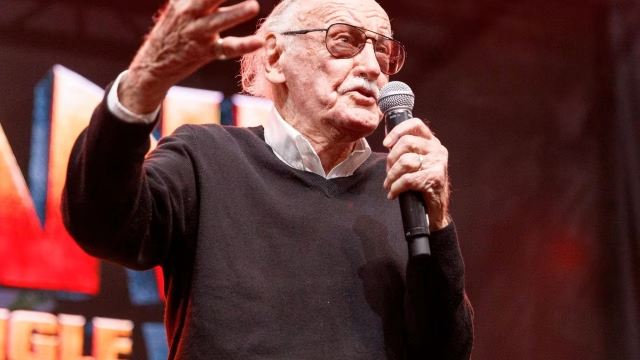

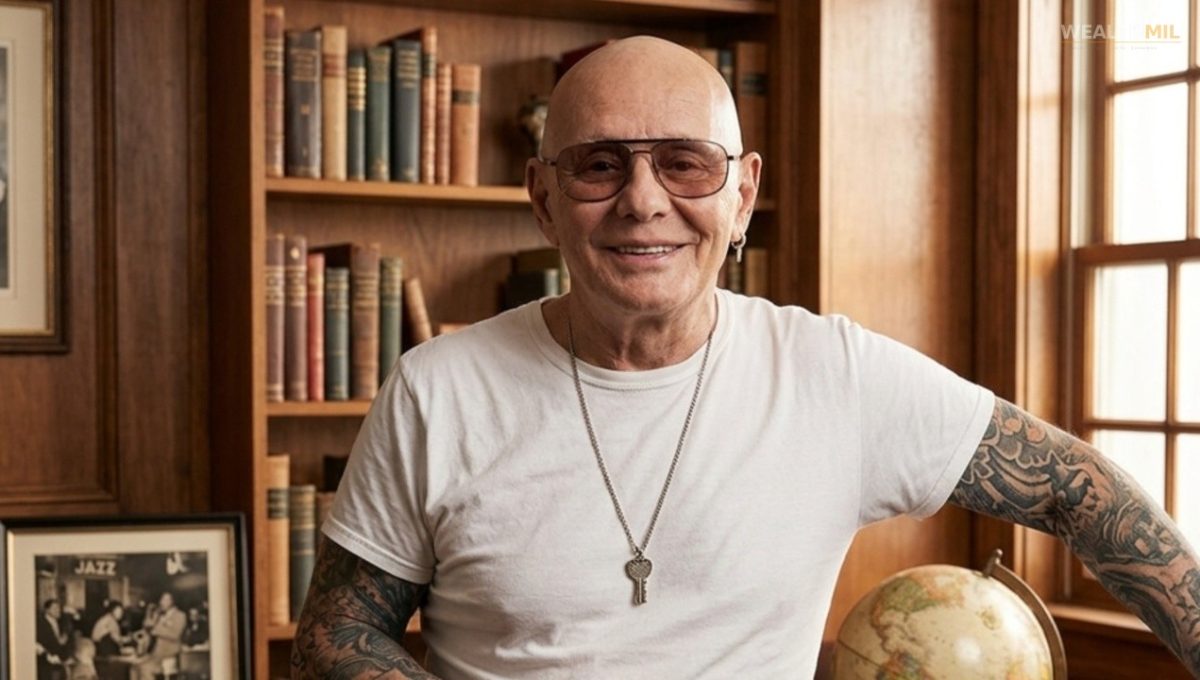
Sammy “The Bull” Gravano, born Salvatore Gravano in 1945 in Brooklyn, New York, is one of the most infamous figures in the history of organized crime in the United States. His life story spans a dramatic arc from street-level delinquent to high-ranking Mafia underboss, followed by a historic betrayal of the Mafia code of silence and a controversial second career in digital media. Over the decades, his name has become closely associated with both the power and downfall of the Gambino crime family.
Gravano grew up in a working-class Italian-American neighborhood in Brooklyn, where he was exposed early to street violence and petty crime. As a teenager, he became involved in theft and gang activity, eventually joining the Rampers street gang. His reputation for toughness and fearlessness earned him the nickname “the Bull,” a label that followed him throughout his criminal career. His behavior and willingness to engage in violence attracted the attention of organized crime figures, setting him on a path into the Mafia.
By the 1970s, Gravano had formally entered the Gambino crime family, one of New York’s most powerful Mafia organizations. He quickly rose through the ranks, becoming a made man and later a captain due to his effectiveness as an enforcer and his ability to generate income. His operations included loan sharking, extortion, labor racketeering, and murder. Gravano’s rise accelerated under bosses Paul Castellano and, later, John Gotti, with whom he formed a powerful alliance.
During the 1980s, Gravano reached the peak of his criminal influence as underboss of the Gambino family. He played a key role in controlling portions of New York’s construction industry by manipulating contracts, intimidating rivals, and siphoning profits from major development projects. His involvement in these schemes generated enormous revenue for the organization and solidified his position as one of the most important figures in the Mafia hierarchy. At the height of his power, Gravano’s personal wealth was estimated between $10 million and $15 million, allowing him to live a lavish lifestyle that included expensive homes and luxury assets.
Murders And Betrayal That Led To Gotti’s Conviction And Mafia Collapse
Gravano’s criminal record also includes direct involvement in multiple murders. He admitted to participating in or orchestrating at least 19 killings. One of the most significant events tied to him was the 1985 assassination of Paul Castellano, the then-boss of the Gambino family. This killing paved the way for John Gotti to take control of the organization, with Gravano serving as his trusted underboss. In this role, Gravano became responsible for overseeing major illegal operations, including construction rackets and organized extortion schemes, further expanding the family’s financial reach.
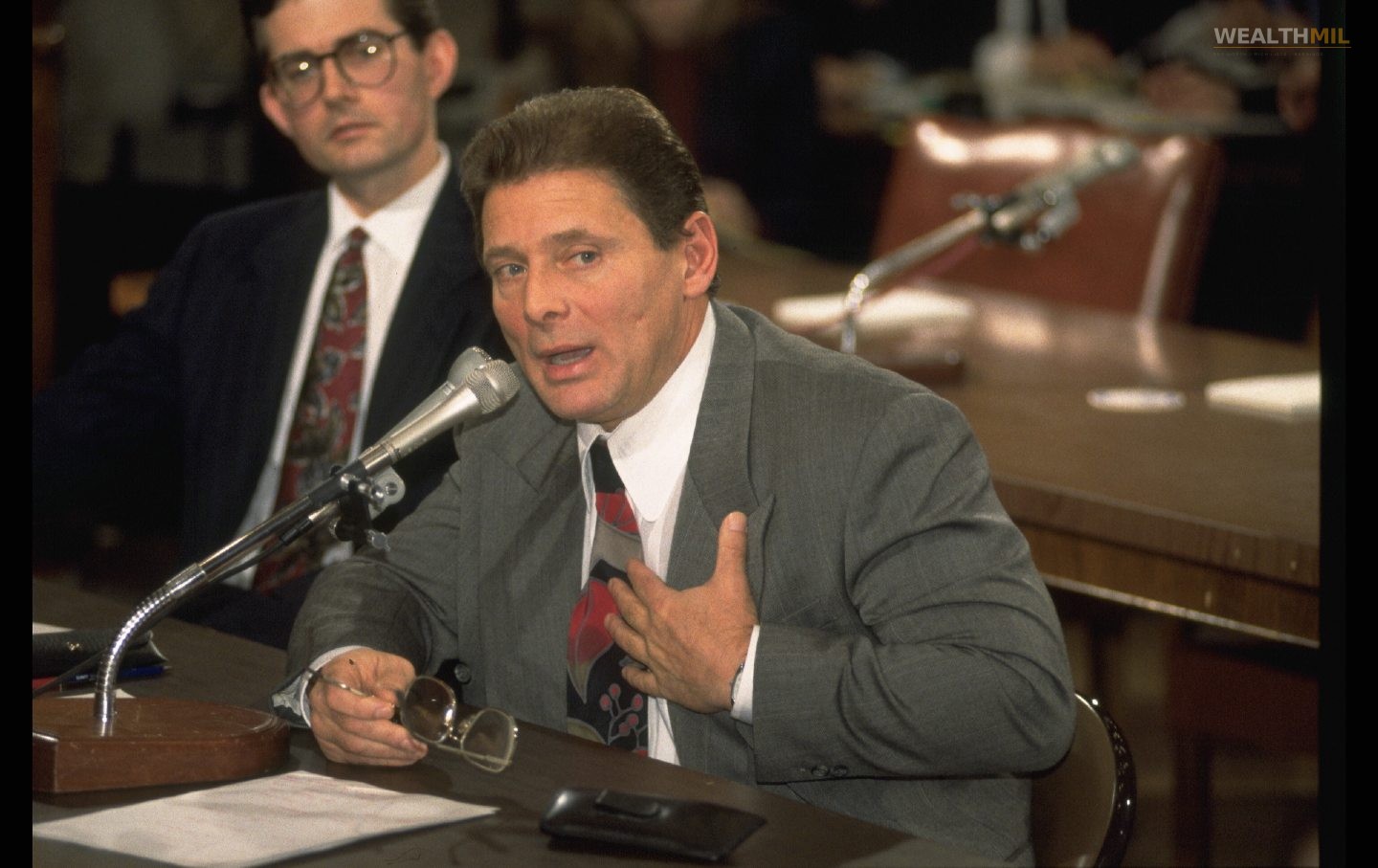
Despite his loyalty, Gravano’s relationship with Gotti eventually deteriorated. In 1991, he was arrested alongside Gotti and other Gambino members on multiple federal charges. Facing a potential life sentence and believing Gotti was planning to shift blame onto him, Gravano made a shocking decision that changed Mafia history. He broke the sacred code of omertà, the rule of silence that binds Mafia members, and agreed to cooperate with federal authorities.
Gravano’s testimony proved devastating to the Gambino crime family. He provided detailed evidence against Gotti, leading to the boss’s conviction and life imprisonment. His cooperation also contributed to the conviction of dozens of other mob figures, severely weakening organized crime in New York. In exchange for his testimony, Gravano received a reduced sentence and was placed into the federal witness protection program.
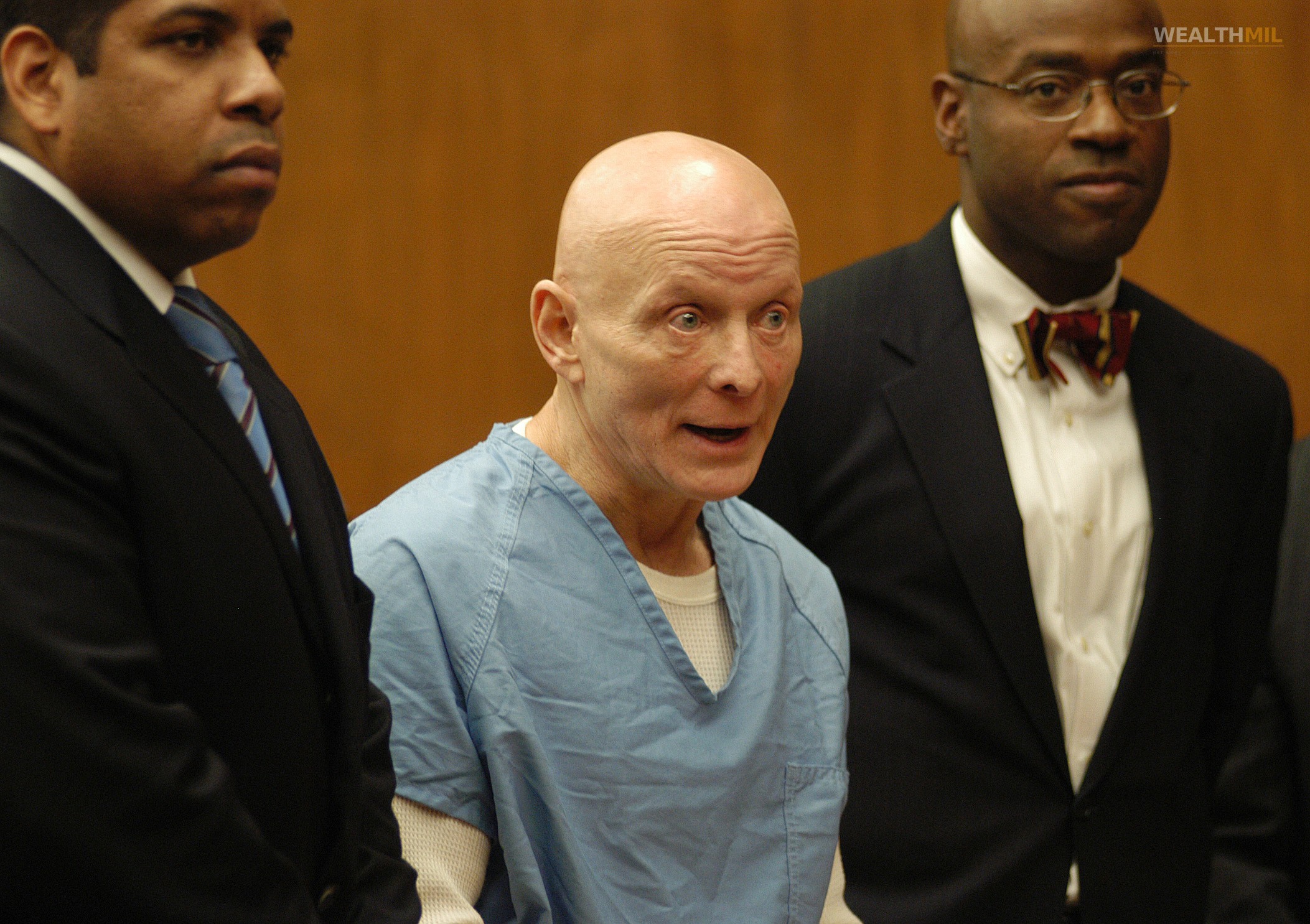
However, his cooperation came at a steep personal and financial cost. He forfeited millions of dollars in assets, lost his position in the Mafia, and was permanently severed from his former life. Although initially protected by the government, Gravano later left witness protection and relocated to Arizona, where he attempted to live as a civilian. His efforts to remain in legitimate business were short-lived. In 2000, he was arrested again for running an ecstasy trafficking operation, which resulted in another lengthy prison sentence.
From Imprisoned Mafia Underboss To Controversial Digital Media Personality Today
Gravano served nearly two decades in prison before being released in 2017. Since then, he has reinvented himself in a very different arena: digital media. As of 2024–2026 estimates, his net worth is approximately $500,000 to $1 million, a dramatic decline from his Mafia-era wealth. Today, his income is primarily derived from online ventures, including a YouTube channel, podcasting, paid subscriptions on Patreon, interviews, merchandise sales, and media appearances.
His YouTube channel, which has attracted hundreds of thousands of subscribers and over 150 million views, generates steady but modest daily revenue. His podcast “Our Thing” features discussions of his Mafia past, insider stories about organized crime, and reflections on his life choices. He also offers paid virtual interactions with fans, turning his notoriety into a commercial platform.
Gravano’s transformation into a media personality has created a controversial public image. Some view him as a historical insider offering rare insight into organized crime, while others see his platform as profiting from a violent criminal past. Regardless of perspective, his audience remains large due to ongoing fascination with Mafia history.
Legally, Gravano remains on lifetime parole and continues to live under restrictions tied to his past convictions. His financial status today is a fraction of his former wealth, shaped by years of incarceration, asset seizures, legal penalties, and the collapse of his criminal enterprises.
Sammy “The Bull” Gravano’s life represents a rare and extreme transformation. From a powerful Mafia underboss with millions at his disposal to a government witness who dismantled the organization he once served, and finally to a modern internet personality, his story reflects both the rise and fall of organized crime power in America and the unpredictable consequences of betrayal, survival, and reinvention.