
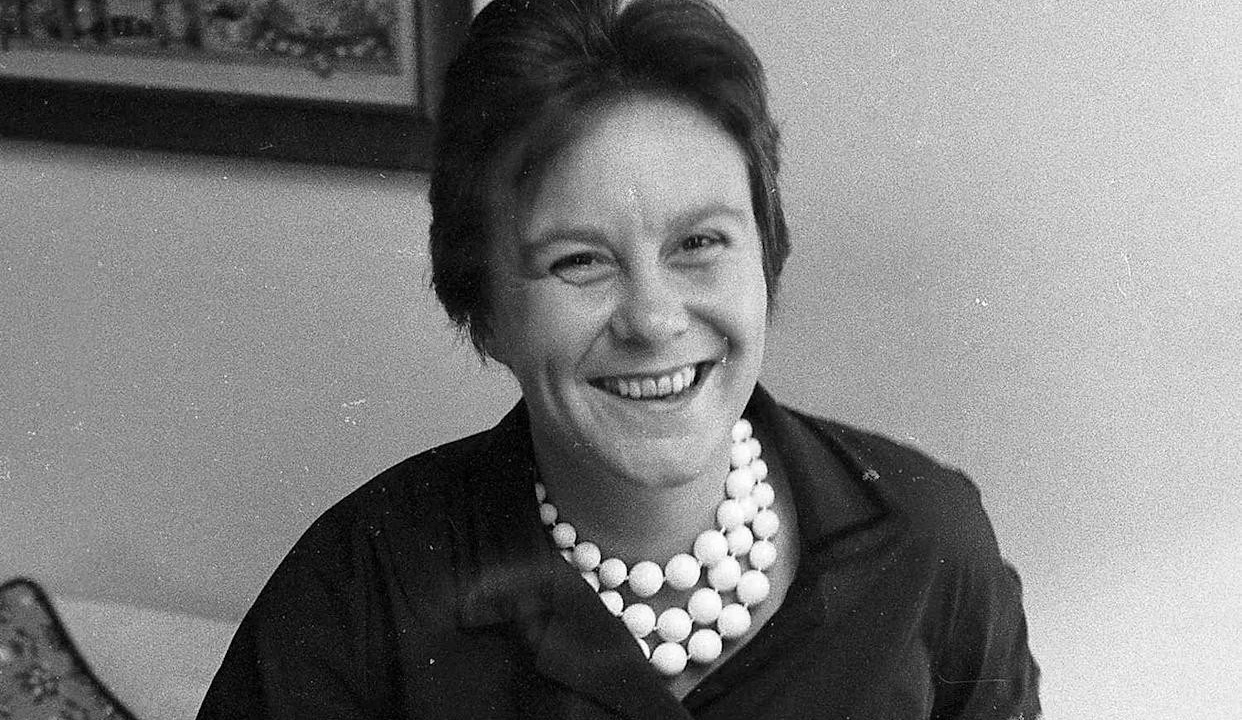
act extended far beyond critical acclaim. Nearly five decades after the book was published, court documents revealed that Lee was still earning millions of dollars in royalties, underscoring the extraordinary commercial life of a literary classic.
The figures emerged during a legal dispute over the book’s copyright and offered a rare look into the financial success of a novel that has remained a staple in schools, libraries, and bookstores for generations.
Court records revealed the novel’s extraordinary royalty income
According to court filings made public during Harper Lee’s legal dispute over the rights to To Kill a Mockingbird, the author earned $1,688,064.68 in royalties during a six-month period ending in December 2009. Annualized, that amounts to approximately $3.38 million per year, or roughly $9,250 per day.
The numbers do not represent a guaranteed daily income throughout Lee’s life, as royalty payments naturally fluctuate based on book sales, licensing agreements, and publishing schedules. Even so, the figures illustrate the remarkable longevity of a novel first published in 1960.
The legal case centered on Lee’s claim that Samuel Pinkus, the son-in-law of her longtime literary agent, improperly obtained control of the book’s copyright while she was in declining health. Although the lawsuit focused on copyright ownership, it also brought previously private royalty information into the public record.
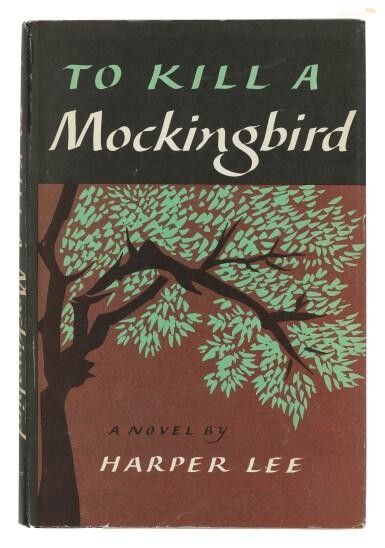
A Christmas gift that changed literary history
The success of To Kill a Mockingbird can be traced back to a life-changing act of generosity. In 1956, while working as an airline reservation clerk in New York, Harper Lee received an unexpected Christmas gift from friends Michael and Joy Brown.
Instead of a traditional present, the couple gave Lee enough financial support to leave her job for one year and focus entirely on writing. Their note famously read:
“You have one year off from your job to write whatever you please. Merry Christmas.”
During that year, Lee completed the manuscript that eventually evolved into To Kill a Mockingbird. Originally titled Go Set a Watchman, the manuscript underwent extensive revisions with editor Tay Hohoff, who encouraged Lee to tell the story through the eyes of a young Scout Finch rather than an adult narrator.
The rewritten novel was published on July 11, 1960, and quickly became a literary phenomenon.
Why To Kill a Mockingbird continues to generate millions
The novel won the 1961 Pulitzer Prize for Fiction and has since sold more than 40 million copies worldwide, with translations available in over 40 languages. Its themes of justice, racial inequality, courage, and compassion continue to resonate with readers decades after publication.
The 1962 film adaptation, starring Gregory Peck as Atticus Finch, further expanded the story’s influence by winning three Academy Awards, including Best Actor.
Unlike many bestselling books whose sales decline over time, To Kill a Mockingbird has maintained consistent demand through classroom reading lists, library collections, audiobook editions, foreign translations, stage adaptations, and licensing agreements. Those ongoing revenue streams helped produce the multimillion-dollar royalty payments revealed in court.
Harper Lee published only one other novel during her lifetime, Go Set a Watchman, released in 2015 from an earlier draft of To Kill a Mockingbird. She died in 2016, but the rights to her work are now managed through the Mockingbird Trust, which continues to receive income from the book and its associated licenses.
Because the novel’s U.S. copyright remains protected until the end of 2055, To Kill a Mockingbird is expected to remain a valuable literary property for years to come.