
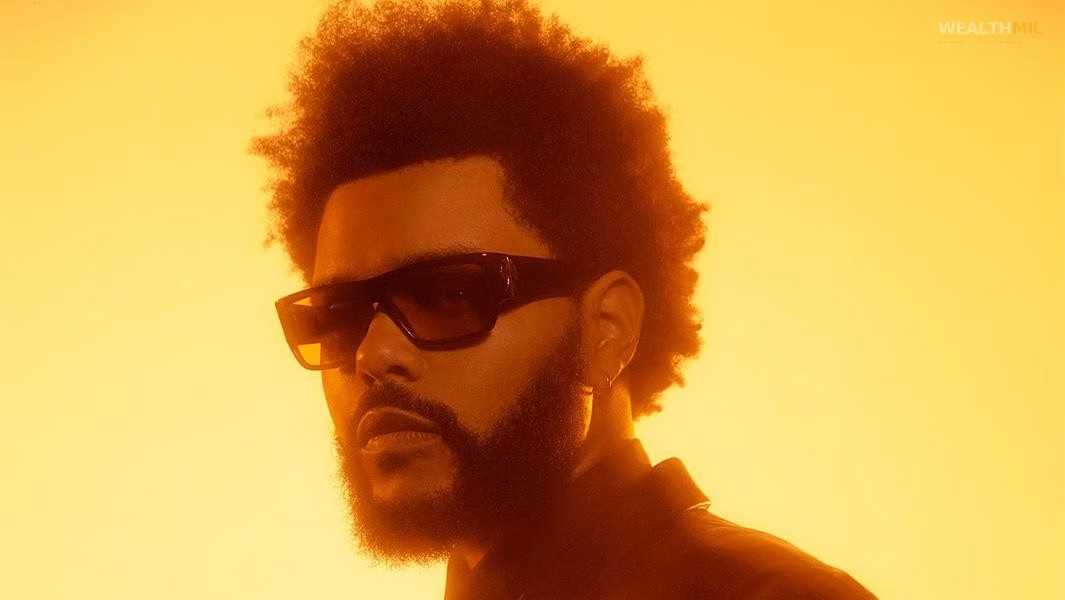
From dark alternative mixtapes to billion-stream hits, Abel Tesfaye built one of the most recognizable identities in modern music and transformed it into a global entertainment empire
Few artists in modern music have managed to create a sound so instantly recognizable that it reshaped an entire genre. The Weeknd did exactly that by blending moody alternative R&B, atmospheric production, pop hooks, and cinematic storytelling into a style that became hugely influential across the music industry. What started with mysterious mixtapes uploaded online eventually evolved into one of the most commercially successful careers of the streaming era.
The Canadian singer’s rise was not built on traditional pop formulas alone. Instead, he leaned into emotional vulnerability, dark aesthetics, and sonic experimentation at a time when mainstream R&B sounded very different. Albums like House of Balloons, Beauty Behind the Madness, Starboy, and After Hours helped him dominate charts while also redefining how modern pop and R&B could sound.
That creative identity eventually translated into extraordinary financial success. From record-breaking streaming numbers and billion-dollar touring milestones to major brand partnerships and catalog value growth, The Weeknd’s net worth became a reflection of how powerful artistic branding can be in the digital age.
The Weeknd Built His Career by Creating a Completely Different R&B Identity
Before mainstream audiences knew his face, The Weeknd had already started changing the sound of alternative R&B online. His early mixtapes created a darker atmosphere than traditional radio-friendly R&B at the time. Instead of polished love songs, his music explored loneliness, fame, addiction, heartbreak, and emotional emptiness through layered production and haunting vocals.
Projects like House of Balloons, Thursday, and Echoes of Silence quickly gained attention because they felt unlike anything dominating mainstream charts in the early 2010s. Critics and listeners were drawn to the mysterious presentation surrounding the artist. Abel Tesfaye initially avoided interviews and public appearances, allowing the music itself to create intrigue around his persona.
That mystery became one of his strongest branding tools. Rather than chasing celebrity culture early in his career, he built a dedicated fan base through online buzz and critical acclaim. The strategy helped him stand out in a crowded music terrain where visibility often mattered more than artistic identity.
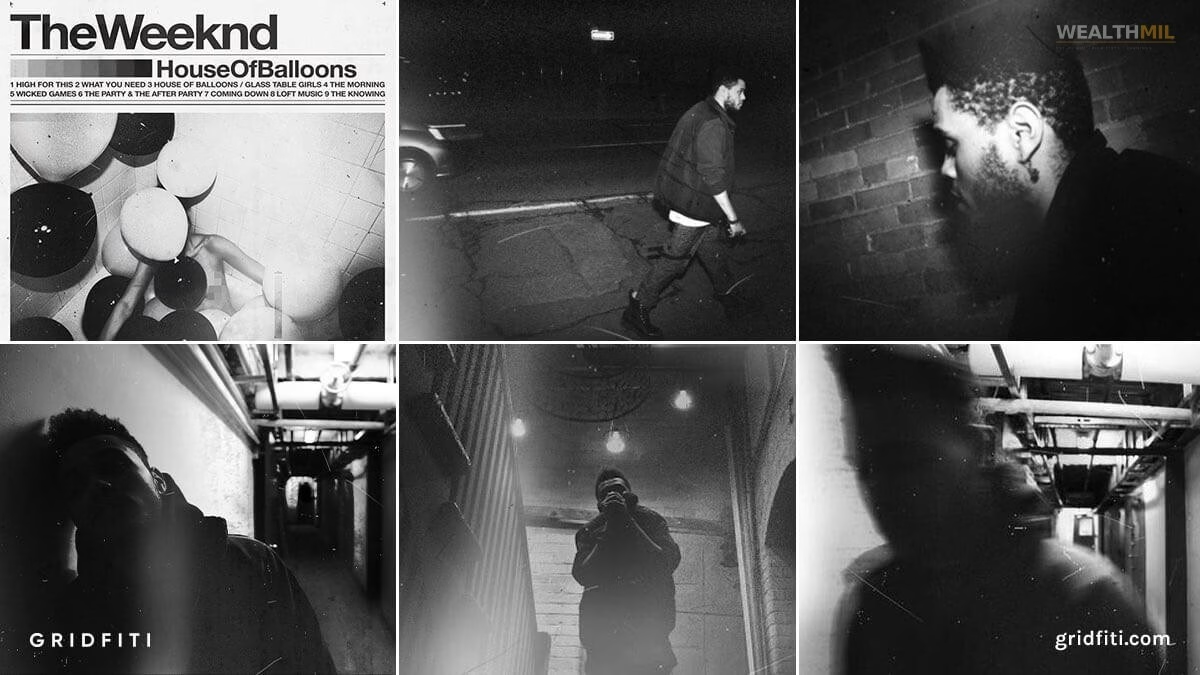
His vocal style also became a major factor in shaping his appeal. The Weeknd combined falsetto-heavy melodies with emotionally raw lyrics, creating music that balanced vulnerability and commercial appeal. That sound later influenced a wave of artists across pop, hip-hop, and R&B who adopted similar atmospheric production styles.
Streaming Helped Turn The Weeknd Into a Global Superstar
The Weeknd’s rise perfectly aligned with the streaming revolution in music. While many artists still depended heavily on traditional radio exposure, his music thrived on platforms where listeners could discover darker and more experimental sounds without label gatekeeping. This helped him build massive streaming numbers long before he became a stadium-level artist.
Forbes previously highlighted how his streaming dominance helped generate enormous financial leverage within the music industry. The publication noted that billions of streams contributed to major touring advances and expanded revenue opportunities for the singer.
Songs like “The Hills,” “Can’t Feel My Face,” “Starboy,” and “Blinding Lights” became streaming giants because they crossed genre boundaries so effectively. Pop listeners connected with the melodies, while R&B fans appreciated the emotional tone and production choices. This crossover appeal significantly increased his commercial value worldwide.
Spotify success also became a defining part of his financial growth. “Blinding Lights” eventually became the first song in Spotify history to cross five billion streams, according to reports from Music Business Worldwide and other outlets.
The streaming era rewarded replay value more than ever before, and The Weeknd mastered that environment. His songs often combined nostalgic synth-heavy production with emotionally addictive hooks, giving them exceptional longevity on playlists and charts. That repeat listening translated directly into long-term revenue generation.
“Blinding Lights” Became One of the Most Important Songs of His Career
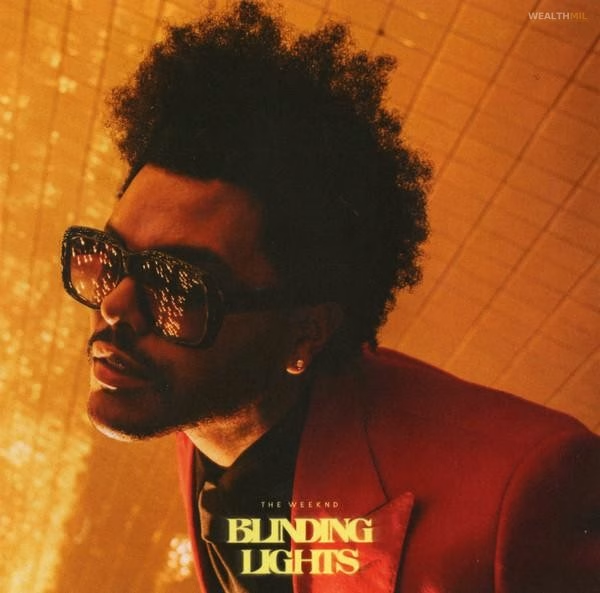
Few songs define an era the way “Blinding Lights” did for The Weeknd. Released during the After Hours era, the track became a global phenomenon thanks to its retro-inspired synth-pop sound and massive streaming momentum. It dominated radio, social media, streaming platforms, and live performances worldwide.
Billboard later recognized “Blinding Lights” as the No. 1 Hot 100 song of all time after its historic chart run. The song broke multiple longevity records, including time spent in the Top 10 and Top 5 of the Billboard Hot 100.
The success of the track showed how effectively The Weeknd could merge artistic experimentation with mainstream accessibility. The song carried clear 1980s influences while still sounding modern enough to dominate current pop culture. That balance became one of the defining traits of his music career.
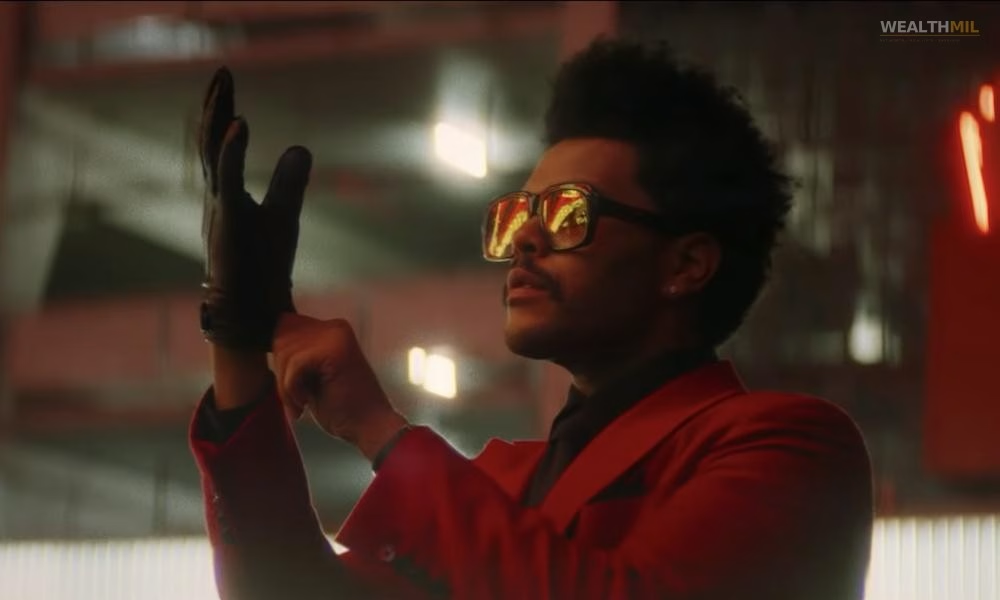
The visual identity surrounding After Hours also strengthened the song’s impact. His red suit era, bloodied-face imagery, and cinematic music videos created a memorable character-driven campaign that extended beyond music alone. Audiences were not simply listening to songs; they were following a carefully constructed narrative universe.
That branding strategy significantly increased his cultural visibility. The After Hours era demonstrated that The Weeknd understood how to combine music, visuals, fashion, and storytelling into one commercially powerful package. It also helped push his earning potential into another level entirely.
The Weeknd’s Net Worth Reflects His Massive Influence in Modern Music
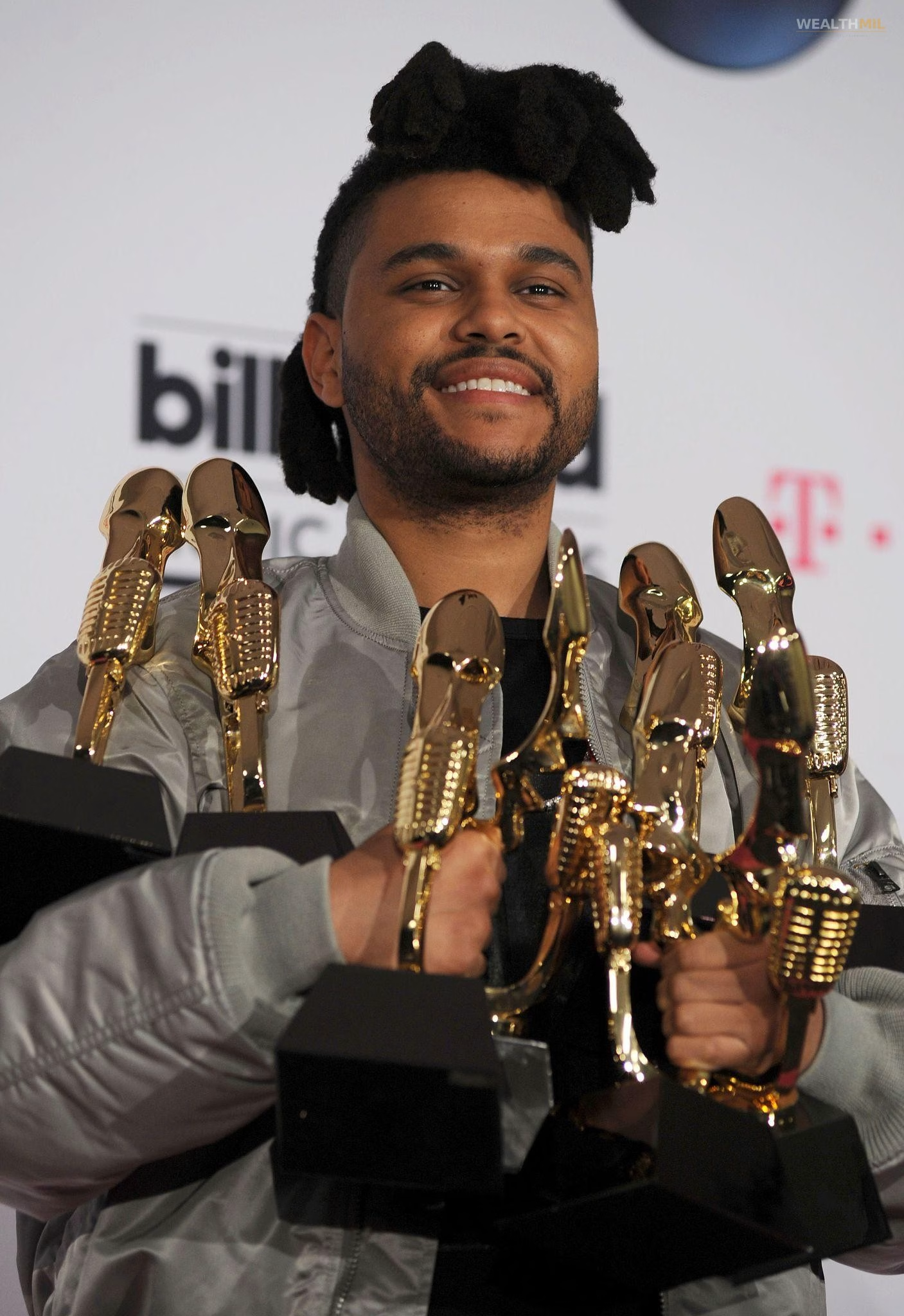
The Weeknd’s financial success has grown alongside his global influence in entertainment. Forbes listed him among the highest-paid musicians, with estimated earnings reaching nearly $300 million in recent rankings.
Different financial publications estimate his net worth differently, though most place him among the richest active music artists today. Celebrity Net Worth estimated his fortune at around $600 million in late 2025.
Several factors contributed to this extraordinary wealth accumulation. Touring became one of the biggest revenue drivers of his career, especially after he evolved into a stadium-level global performer. Streaming royalties, publishing rights, merchandise sales, and licensing deals also added enormous long-term value.
Music catalogs themselves have become highly valuable assets in the streaming era. Reports surrounding The Weeknd’s catalog valuation and financing deals suggest that investors view his music as exceptionally profitable over the long term.
His commercial appeal also extends far beyond music sales alone. Brand partnerships, fashion collaborations, sponsorships, and entertainment ventures continue expanding his financial portfolio. That diversification matters because it allows artists to generate wealth even when album cycles slow down.
The consistency of his streaming numbers further strengthens his financial position. Unlike artists who rely heavily on short-term viral moments, The Weeknd’s catalog continues generating massive global engagement years after release. Songs from older albums still perform strongly across streaming services and charts.
Touring Turned The Weeknd Into a Stadium-Level Global Brand
Live performances eventually became one of the biggest indicators of The Weeknd’s commercial dominance. His After Hours Til Dawn tour transformed him from a successful recording artist into one of the world’s biggest touring acts. The scale of the production reflected how far his brand had evolved since the mixtape era.
Reports in 2025 revealed that the tour surpassed $1 billion in gross revenue globally, making it one of the highest-grossing tours ever by a male solo artist.
That achievement highlighted more than just ticket sales. Stadium tours require enormous worldwide demand, strong catalog recognition, and cross-generational appeal. The Weeknd managed to achieve all three while maintaining a distinct artistic identity rather than completely reshaping himself into a generic pop act.
The visuals during his tours also played a major role in audience engagement. Massive cityscape-inspired stage designs, cinematic lighting, dystopian imagery, and theatrical performances helped create immersive concert experiences. Fans were not simply attending shows; they were entering a carefully crafted aesthetic world.
Touring success also dramatically increases artist earnings because of merchandise, sponsorships, premium ticket pricing, and global exposure. In The Weeknd’s case, touring became a key reason his wealth surged so quickly during the 2020s.
The scale of his live success also demonstrated how streaming popularity can eventually translate into real-world ticket demand. Many streaming stars struggle to convert online listeners into stadium audiences, but The Weeknd successfully bridged that gap by building a loyal and emotionally connected fan base.
His Ability to Blend Pop Accessibility With Dark Storytelling Changed the Industry
One of the biggest reasons The Weeknd became so influential is that he proved emotionally dark music could still dominate mainstream charts. Earlier eras of pop often prioritized bright and universally uplifting production styles. The Weeknd instead embraced melancholy, isolation, toxic relationships, and self-destruction as recurring themes in his music.
That creative direction resonated strongly with younger audiences who connected with more emotionally complicated storytelling. His music often felt cinematic and introspective rather than purely commercial, which helped create deeper listener attachment.
At the same time, he understood how to package those themes inside highly memorable melodies. Songs like “Save Your Tears” and “Die for You” balanced emotional sadness with huge pop choruses. That contrast became central to his artistic identity.
His influence on the broader music industry became increasingly obvious throughout the late 2010s and early 2020s. Many newer artists adopted atmospheric synth production, emotionally vulnerable songwriting, and darker visual aesthetics after his breakthrough success.
The Weeknd also helped normalize genre fluidity in mainstream music. Instead of staying confined to traditional R&B structures, he incorporated synth-pop, electronic music, hip-hop, funk, and new wave influences into his catalog. That experimentation expanded his audience while keeping his sound fresh.
The industry rewards artists who can evolve without losing their identity. The Weeknd managed to reinvent his sound across multiple eras while still sounding unmistakably like himself. That consistency strengthened both his artistic credibility and long-term commercial value.
Film, Television, and Creative Expansion Added to His Brand Power
Music remains the core of The Weeknd’s empire, but his ambitions expanded into film and television as well. Projects connected to visual storytelling helped reinforce his identity as a multidimensional entertainer rather than just a recording artist.
His involvement in HBO’s The Idol generated significant conversation online, even though the series itself received mixed reactions. The project still demonstrated his willingness to experiment creatively outside traditional music spaces.
The upcoming Hurry Up Tomorrow film and album era also reflect this larger multimedia strategy. Reports described the project as deeply connected to themes surrounding fame, identity, trauma, and reinvention.
That expansion matters financially because modern entertainment brands increasingly operate across multiple industries simultaneously. Music alone can generate enormous revenue, but film, streaming content, production work, and intellectual property ownership create additional long-term value.
The Weeknd’s visual creativity has always been one of his strongest strengths anyway. His music videos, live performances, and album aesthetics consistently feel cinematic and narrative-driven. Transitioning further into screen-based storytelling therefore feels like a natural evolution of his artistic identity.
He also understands the importance of maintaining brand mystique. Even after becoming globally famous, he rarely overexposes himself in the way many celebrities do online. That selective visibility helps preserve intrigue around his projects and public persona.
The Weeknd’s Career Shows the Financial Power of Artistic Consistency
Many artists experience short periods of massive popularity before fading commercially. The Weeknd avoided that pattern because he consistently evolved while protecting the core emotional and sonic identity that made audiences connect with him initially.
His career demonstrates how valuable artistic consistency can become in the streaming era. Fans know what emotional atmosphere they will receive from a Weeknd project, even when the production style changes. That familiarity creates stronger audience loyalty over time.
He also benefited from maintaining long-term replay value rather than focusing entirely on short-lived viral hits. Songs from earlier projects continue attracting listeners years after release. This matters enormously for streaming revenue because catalog performance often becomes more valuable than first-week sales alone.
The strength of his catalog is one reason investors and financial analysts view his music as a major asset. In modern entertainment economics, songs that consistently generate streams across years can become extremely lucrative intellectual property.
His branding decisions also played a major role in sustaining public interest. Every major album era from Beauty Behind the Madness to After Hours introduced a distinct visual identity and emotional tone. That approach kept audiences invested beyond just individual singles.
The Weeknd’s ability to remain commercially dominant while still feeling artistically distinctive is relatively rare in mainstream pop. Many artists either become too experimental for mass audiences or too formulaic for long-term credibility. He found a balance between both extremes.
Why The Weeknd’s Legacy Extends Beyond Net Worth Numbers
While discussions around his net worth highlight the scale of his success, The Weeknd’s broader legacy is ultimately tied to how deeply he influenced modern music culture. His impact goes beyond financial milestones or chart records alone.
He helped redefine what a global pop star could sound like during the streaming era. Instead of abandoning emotional darkness for radio accessibility, he brought those darker themes directly into mainstream pop itself. That shift changed audience expectations and industry trends.
His success also proved that artistic identity matters more than chasing every passing trend. The Weeknd built an instantly recognizable brand by fully committing to a specific emotional and sonic atmosphere. That authenticity became one of the foundations of his financial empire.
Streaming culture often rewards consistency and replayability, and his catalog excelled in both areas. Songs like “Blinding Lights,” “Starboy,” “Save Your Tears,” and “The Hills” continue generating huge engagement years after release because they feel timeless rather than trend-dependent.
Even his public image evolved carefully over time. Early mystery gave way to larger cinematic storytelling, yet the emotional vulnerability at the center of his music remained consistent. That continuity helped audiences stay emotionally invested throughout different phases of his career.
The Weeknd’s journey from anonymous mixtape artist to one of the highest-paid musicians in the world represents more than celebrity success. It reflects how a strong creative vision, combined with strategic branding and streaming-era reach, can transform an artist into a global cultural force.
The Weeknd’s financial trajectory also reflects how artists can benefit from owning and controlling their creative output. Over time, he gained greater influence over his music production, branding decisions, and release strategies, allowing him to maximize both artistic freedom and revenue streams.
This level of control becomes increasingly valuable in an industry where ownership of masters, publishing rights, and licensing deals can significantly impact long-term earnings. By maintaining a strong grip on his creative direction, he ensured that his brand remained cohesive while also increasing the lifetime value of his catalog. That approach places him among a growing group of artists who prioritize ownership as a key pillar of financial success.
Another important factor behind his continued growth is his ability to stay culturally relevant without overexposure. The Weeknd carefully spaces out major releases and reinvents his visual identity with each era, keeping audiences curious about what comes next.
This strategy helps prevent audience fatigue while maintaining anticipation for new projects. At the same time, his collaborations with global artists and producers allow him to expand his reach without diluting his core sound. That balance between exclusivity and accessibility keeps his brand strong across different markets. As a result, his net worth is likely to keep rising alongside his influence in both music and global entertainment.