


When people think of the success behind iconic musicals and Disney classics, composers often get the spotlight. But the words that audiences remember just as vividly come from lyricists like Tim Rice. From *The Lion King* to *Aladdin* and *Evita*, Rice has helped shape some of the most beloved songs in entertainment history. His work has earned him Academy Awards, global recognition, and a place among the greatest songwriters of all time.
Yet despite this incredible legacy, his estimated net worth of $250 million often surprises fans. In an industry where collaborators sometimes become billionaires, why does Rice’s wealth seem comparatively lower?
The answer lies not in a lack of success but in how his career was structured. Let’s break down Tim Rice’s journey, his earnings, and the key reason why one of the most influential lyricists in history does not dominate wealth rankings the way some of his peers do.
The Early Career That Built a Creative Foundation
Tim Rice’s career began far from the global stage. After working at EMI Records, he entered the music industry with a focus on songwriting. His breakthrough came when he partnered with Andrew Lloyd Webber, forming one of the most iconic collaborations in musical theater history.
Together, they created groundbreaking works like Jesus Christ Superstar and Joseph and the Amazing Technicolor Dreamcoat. These productions were not just commercial successes but cultural phenomena that continue to be performed worldwide.
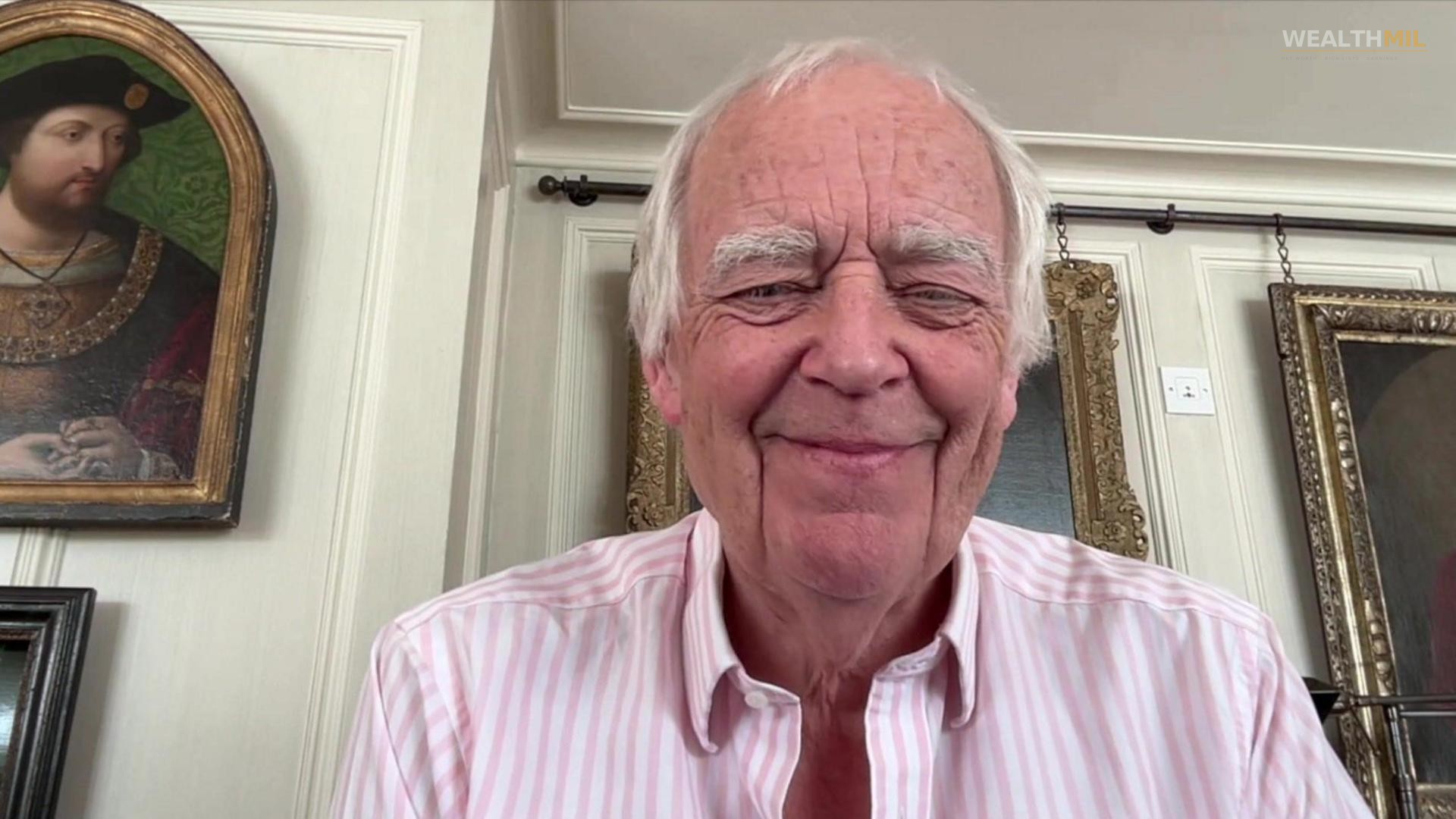
Their collaboration reached new heights with Evita, which won major awards and became a defining moment in Rice’s career. These early successes established his reputation and created a steady stream of royalty income that continues decades later.
While musical theater cemented his legacy, Tim Rice’s work with Disney expanded his global reach even further. His contributions to Aladdin and The Lion King introduced his lyrics to millions of viewers worldwide.
Songs like “A Whole New World” and “Can You Feel the Love Tonight” became instant classics. Both tracks earned Academy Awards, significantly boosting his profile and earnings.
These projects also opened doors to collaborations with artists like Elton John, further strengthening his influence in both film and music. Disney’s global distribution ensured that Rice’s work reached audiences across generations, creating long-term revenue through royalties and licensing.
How Tim Rice Actually Makes His Money
Tim Rice’s wealth comes primarily from royalties. As a lyricist, he earns income whenever his songs are performed, streamed, licensed, or adapted. This includes stage productions, film soundtracks, and international performances.
Musicals like Evita and *The Lion King* continue to run in theaters worldwide, generating consistent revenue. Each performance contributes to his earnings, making his income relatively stable over time.
In addition to royalties, Rice has earned money from publishing ventures, books, and media appearances. He has also collaborated on various projects across radio, television, and literature, adding to his overall income streams.
However, these earnings follow a traditional creative model. Unlike producers or investors, Rice typically does not control the entire business structure behind his projects.

One of the most important factors behind Tim Rice’s net worth is ownership. While he played a crucial creative role in many projects, he did not build an empire around them in the same way some of his collaborators did.
For example, Andrew Lloyd Webber expanded beyond composing by creating production companies and owning theater venues. This allowed him to earn from ticket sales, merchandising, and long-term licensing deals.
Rice, on the other hand, focused primarily on songwriting. While this approach still generates substantial income, it does not provide the same level of financial control or scalability.
This difference explains why Lloyd Webber’s net worth is significantly higher, despite their shared creative success. It is not about talent but about how each individual monetizes their work.
Diversification Without Building an Empire
Tim Rice has explored various ventures outside of songwriting, including publishing and broadcasting. He co-founded a publishing company and contributed to music-related books, expanding his presence in the industry.
He has also maintained a media presence through radio shows and podcasts, keeping his brand relevant. These activities contribute to his income but do not operate on the same scale as owning large production companies or real estate portfolios.
This approach reflects a different career philosophy. Rather than building a business empire, Rice focused on creative output and collaboration. While this has resulted in immense success, it also limits the exponential growth seen in more business-driven careers.
What His Net Worth Really Represents
Tim Rice’s $250 million net worth is still an extraordinary achievement. It reflects decades of consistent success, global influence, and timeless work that continues to generate revenue.
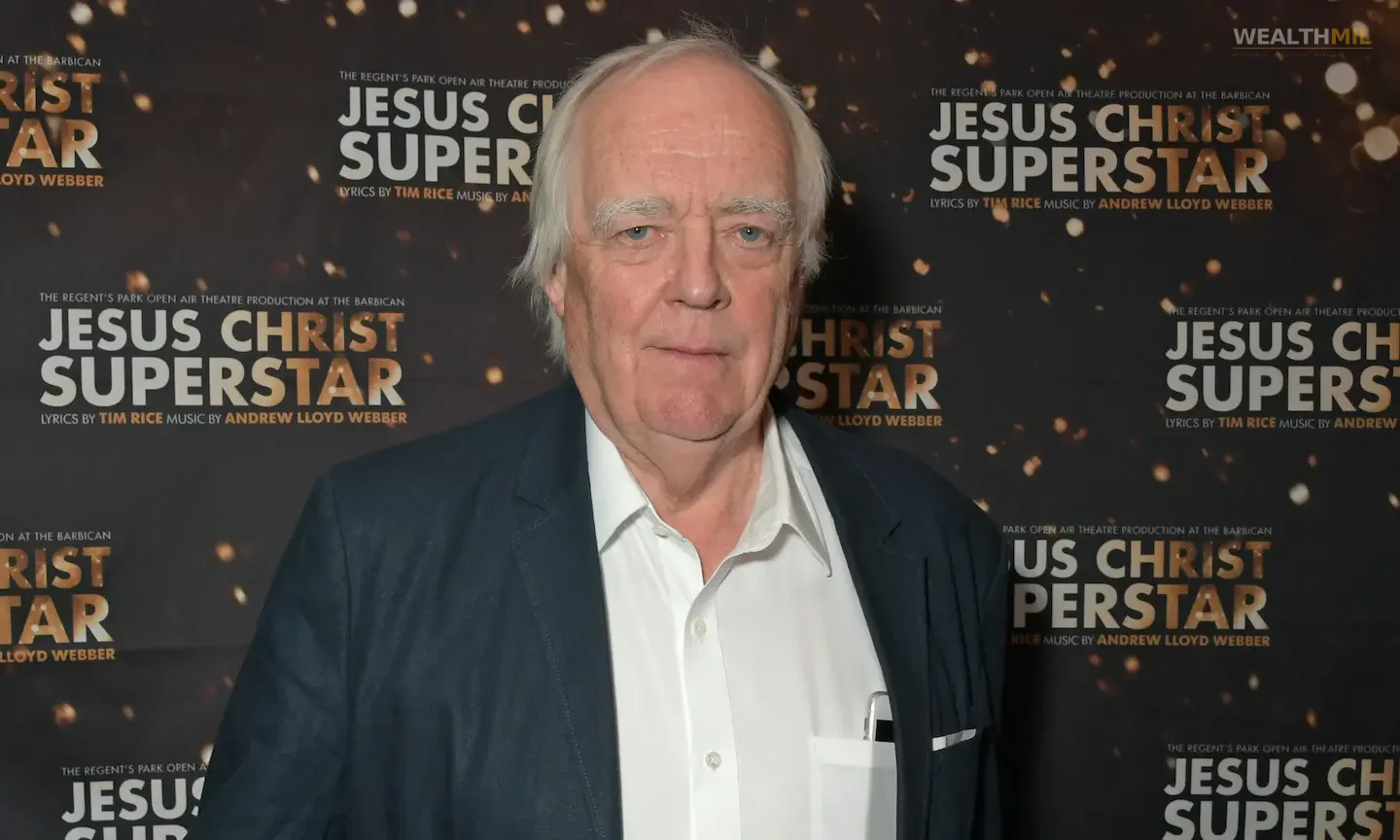
More importantly, it highlights the value of intellectual property. Even without full ownership, his lyrics remain central to some of the most successful entertainment projects in history. This ensures ongoing income long after their initial release.
His career also demonstrates the importance of understanding how creative roles translate into financial outcomes. While lyricists play a vital role, their earnings often depend on agreements made during the creation process.
Tim Rice’s journey offers a clear lesson about the entertainment industry. Success is not just about creating something iconic. It is also about how that creation is structured and monetized.
By focusing on songwriting, Rice built a legacy that spans theater, film, and music. However, his choice not to pursue large-scale ownership means his wealth reflects steady earnings rather than exponential growth.
In the end, his fortune tells a nuanced story. He may not top billionaire lists, but his influence on global culture is undeniable. And in many ways, that lasting impact is far more valuable than any number attached to a net worth.
His work continues to generate income through revivals, streaming platforms, and international stage adaptations that keep his lyrics alive for new audiences. Even without building a massive business empire, Tim Rice has secured a rare kind of financial longevity rooted in timeless creativity. In the long run, his story proves that consistent royalties can rival even the biggest one-time paydays in entertainment.