
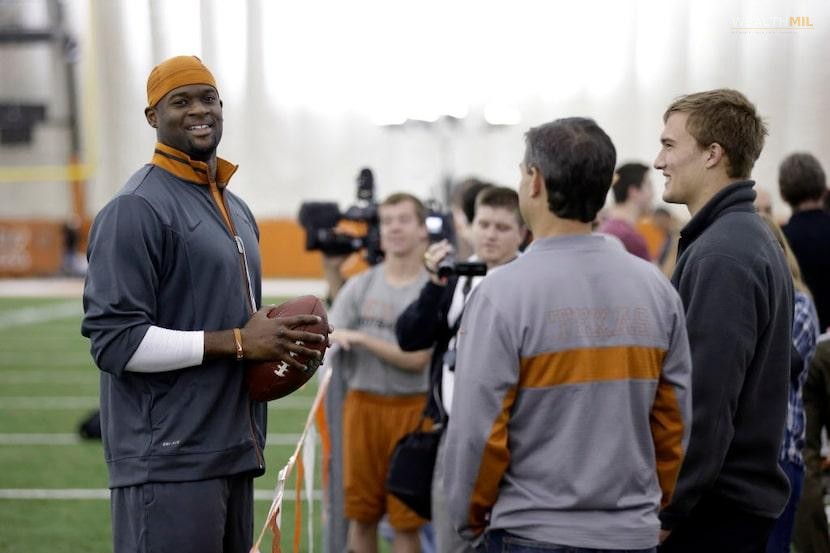
Vince Young was once one of the most exciting names in American football. After leading the University of Texas to a memorable national championship victory over USC, Young entered the 2006 NFL Draft as one of the sport’s biggest young stars. The Tennessee Titans selected him with the No. 3 overall pick, and his future appeared set for years of success on and off the field.
That promise was reinforced by a rookie contract widely reported as being worth up to $58 million. Young also earned major endorsement opportunities and became the cover athlete for Madden NFL 08. However, the $58 million figure represented the maximum potential value of his deal rather than the amount he was guaranteed to receive. Young’s contract guaranteed roughly $25.7 million, while his NFL career ultimately generated about $34.77 million in earnings.
Yet by January 2014, the former NFL quarterback had filed for Chapter 11 bankruptcy protection. According to court records reported by the NFL, Young listed between $500,001 and $1 million in assets and between $1.001 million and $10 million in liabilities.
Vince Young’s NFL Career Ended Sooner Than Expected
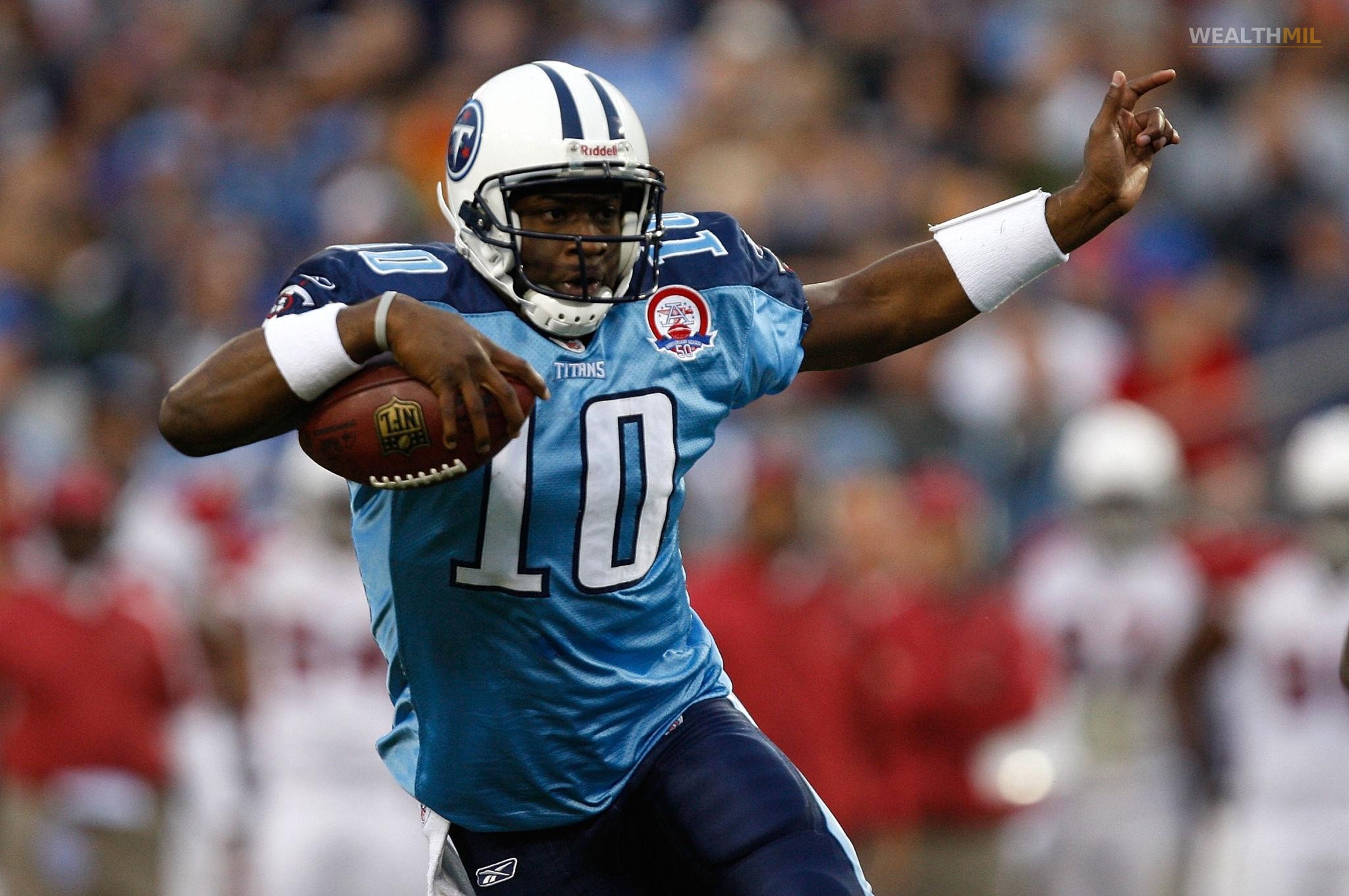
Young quickly became one of the NFL’s most promising young quarterbacks after joining the Titans. He won the AP Offensive Rookie of the Year award and later earned two Pro Bowl selections, but his long-term career did not match the enormous expectations surrounding him.
His time in Tennessee ended in 2011 after a highly publicized breakdown in his relationship with head coach Jeff Fisher. Young then spent the 2011 season with the Philadelphia Eagles, but made only three starts before his NFL opportunities rapidly declined. Later offseason stints with Buffalo, Green Bay, and Cleveland did not result in another regular-season appearance.
The sudden end of his major NFL income created a serious financial challenge. Young had earned superstar-level money at a young age, but maintaining an expensive lifestyle became much more difficult once those paychecks stopped arriving. His reported spending habits also became part of the public discussion surrounding his finances.
Debt Disputes and Financial Management Complicated the Situation
Young’s bankruptcy was not simply a case of an athlete spending through his salary. A major financial dispute involved a $1.8 million loan obtained during the 2011 NFL lockout. Young maintained that he had not knowingly authorized the transaction or received the money, while the lender, Pro Player Funding, pursued the debt.
The NFL reported that the obligation had grown significantly with interest, while Young also became involved in legal disputes concerning the handling of his finances. The former quarterback alleged that financial transactions had taken place without his authorization and pursued claims against people who had managed his money. Those disputes added another complicated layer to his financial collapse.
Young’s situation also highlighted the difference between a headline-grabbing sports contract and actual personal wealth. Taxes, agent fees, management costs, spending, investments, and debt can significantly reduce the amount of money a professional athlete has available.
Vince Young Found a New Role After Football
Young’s financial difficulties did not define the rest of his life. After leaving the NFL, he returned to the University of Texas, completed his degree, and later became a special assistant within the university’s athletics department.
The University of Texas currently lists Young as a Special Assistant, marking a full-circle return to the school where he became one of the most celebrated players in Longhorns history.
His story remains a striking example of how quickly an athlete’s financial position can change when a short professional career, high spending, debt, and financial disputes collide. Young went from signing one of the NFL’s most valuable rookie contracts to filing for bankruptcy before turning 31, but he eventually found a path back to the university that made him a football legend.