
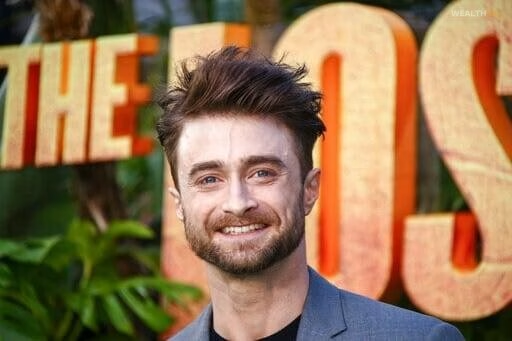
For many actors, starring in a franchise as massive as Harry Potter becomes both a blessing and a career trap. Audiences often struggle to separate performers from iconic characters, especially when those actors grow up in front of the world. Daniel Radcliffe faced exactly that challenge after spending a decade portraying Harry Potter, one of the most recognizable fictional characters in modern entertainment history.
Instead of chasing safe blockbuster roles after the franchise ended, Radcliffe took an entirely different path. He embraced unconventional independent films, demanding stage performances, dark comedies, and experimental projects that few expected from a former child superstar. Over time, that strategy transformed him from “the actor who played Harry Potter” into one of the most respected and unpredictable performers of his generation.
That creative freedom also helped him build long-term financial stability. By 2026, Daniel Radcliffe’s net worth reflected not only the fortune he earned during the Harry Potter era but also the smart career choices that allowed him to stay relevant, respected, and commercially valuable years after the franchise ended.
Daniel Radcliffe Faced the Difficult Reality of Life After Harry Potter
Few actors experience fame at the level Daniel Radcliffe reached as a teenager. The Harry Potter films became one of the biggest movie franchises in entertainment history, turning Radcliffe into a global celebrity before adulthood. That type of success creates enormous pressure because audiences often struggle to accept actors in completely different roles afterward.
Many former franchise stars attempt to maintain blockbuster momentum immediately after their breakout roles. Radcliffe instead chose projects that deliberately distanced him from Harry Potter’s image. His decisions surprised audiences because they focused more on artistic experimentation than commercial safety.
One of his earliest post-Potter risks came through stage acting. He appeared in productions like Equus and How to Succeed in Business Without Really Trying, proving he wanted to be taken seriously as a performer rather than simply remaining a movie franchise celebrity. Critics responded positively to his commitment and willingness to challenge himself on stage.
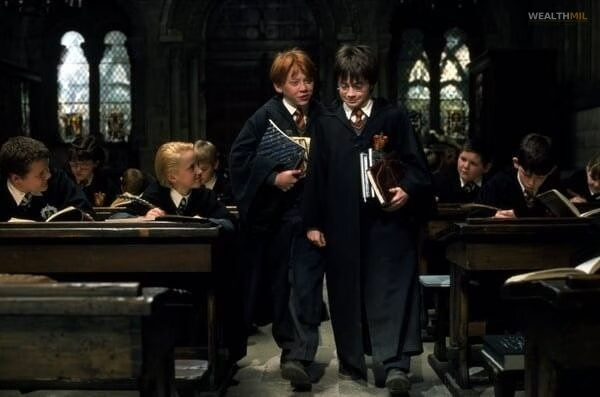
That transition mattered because theater demands a very different skill set than blockbuster filmmaking. Stage performances leave little room for editing or visual effects, forcing actors to rely entirely on performance quality and presence. Radcliffe’s willingness to repeatedly return to Broadway and West End productions helped reshape industry perceptions of him.
He also understood that avoiding typecasting required patience. Instead of desperately chasing another giant franchise immediately, he slowly built a reputation for versatility through smaller but memorable projects. That long-term thinking became one of the smartest decisions of his career.
Choosing Strange and Risky Roles Helped Redefine His Public Image
Daniel Radcliffe’s post-Harry Potter career became especially notable because of how unusual many of his projects were. Rather than choosing conventional leading-man roles, he consistently selected characters that felt bizarre, unpredictable, or emotionally challenging.
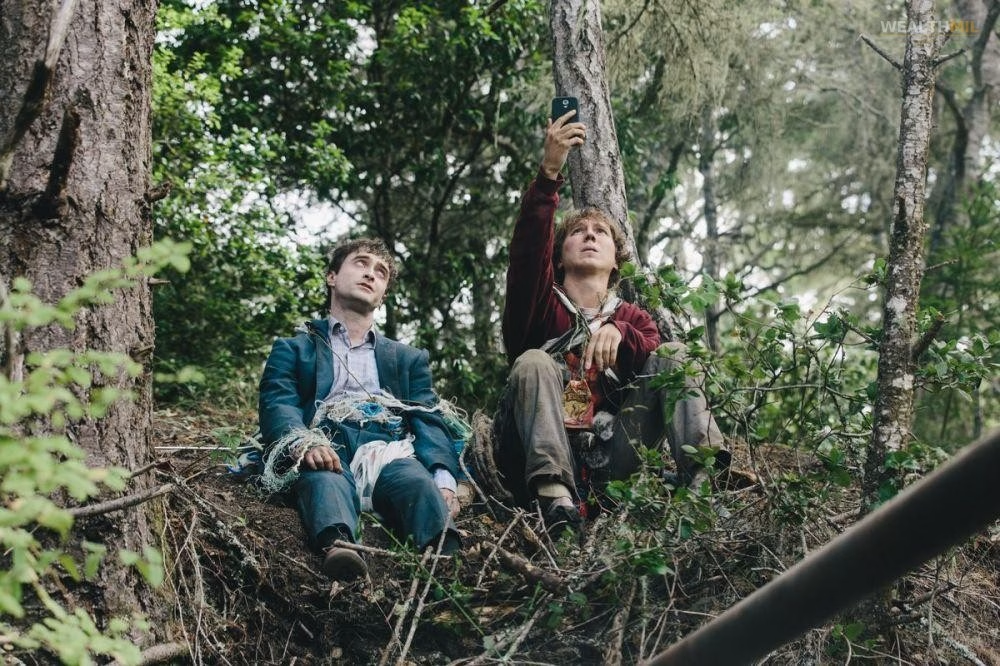
Perhaps the clearest example was Swiss Army Man, where he famously played a talking corpse opposite Paul Dano. The surreal independent film became one of the defining symbols of Radcliffe’s willingness to embrace unconventional storytelling. While the movie was divisive among some viewers, many critics praised its originality and his fearless performance.
Projects like Horns, Imperium, Guns Akimbo, and Jungle further reinforced his reputation for selecting unpredictable material. These films often prioritized psychological intensity, dark humor, or experimental storytelling instead of mainstream formulas. Audiences gradually realized that Radcliffe was intentionally building a career around artistic variety rather than box-office expectations.
In interviews, Radcliffe openly acknowledged that financial security from Harry Potter gave him the freedom to take creative risks. He explained that he no longer needed to prioritize commercial success above all else because he had already achieved massive financial stability early in life.
That freedom became one of the defining advantages of his career. Instead of accepting projects purely for paychecks, he focused on roles that genuinely interested him. Over time, this strategy helped establish him as one of Hollywood’s most respected character actors.
His willingness to laugh at his own public image also strengthened his appeal. Many former child stars struggle to separate themselves from earlier fame, but Radcliffe often leaned into absurdity and self-awareness. That openness made audiences more willing to embrace his creative evolution.
Broadway and Theater Became a Major Part of His Reinvention
While many movie stars occasionally appear on stage, Daniel Radcliffe treated theater as a serious long-term commitment rather than a temporary side project. His Broadway work became one of the biggest reasons critics and industry professionals started viewing him differently after Harry Potter.
His performances in productions like Equus, The Cripple of Inishmaan, and How to Succeed in Business Without Really Trying earned strong reviews and multiple award nominations. These projects demonstrated range that many audiences had never previously associated with him.
Theater also allowed him to challenge himself creatively in ways blockbuster films often do not. Live performance requires precision, stamina, and emotional consistency night after night. Radcliffe repeatedly returned to that environment even though he could have comfortably avoided it financially.
One of the biggest moments of his stage career came through Merrily We Roll Along. His role as Charley Kringas earned him a Tony Award for Best Featured Actor in a Musical, marking one of the most respected achievements of his post-Potter career.
That award mattered because it validated years of creative reinvention. Winning major theater recognition helped prove that Radcliffe was no longer simply surviving off franchise nostalgia. He had become a respected actor capable of succeeding across completely different forms of performance.
His 2026 Broadway work in Every Brilliant Thing continued this trend. In interviews with People, Radcliffe described the emotionally demanding role as one that initially scared him but eventually became deeply meaningful artistically.
Theater also strengthened his professional credibility in Hollywood. Directors and producers increasingly saw him as a disciplined performer willing to push himself creatively instead of relying solely on fame recognition.
Daniel Radcliffe’s Net Worth in 2026 Reflects Long-Term Financial Stability
Daniel Radcliffe’s financial position remains heavily connected to the success of the Harry Potter franchise, which reportedly earned him around $100 million across the film series. Multiple entertainment outlets have referenced the enormous wealth he accumulated while still very young.
By 2026, most celebrity finance estimates placed his net worth comfortably above $100 million, with some outlets placing it significantly higher depending on asset evaluations and investment estimates. That wealth comes not only from acting salaries but also from residuals, licensing revenue, stage work, and long-term financial management.
Unlike some former child stars who faced public financial troubles later in life, Radcliffe built a reputation for handling money carefully. In earlier interviews, he admitted that he lived relatively modestly compared to many celebrities with similar earnings. He often emphasized that financial security allowed him to pursue passion projects without career desperation.
That approach helped preserve both his wealth and his artistic freedom. Because he was not financially dependent on blockbuster salaries, he could continue selecting unusual films and theater productions without worrying about commercial pressure.
Stage work itself may not generate the same income as giant movie franchises, but it strengthened his reputation and kept him consistently active within the entertainment industry. Consistent visibility matters because it protects long-term career value and future opportunities.
His smart financial choices also reflect discipline uncommon among actors who achieved fame so early. Child stardom often leads to instability, but Radcliffe managed to avoid many of the financial and professional pitfalls that affected other former young stars.
Playing Weird Al Became Another Important Career Turning Point
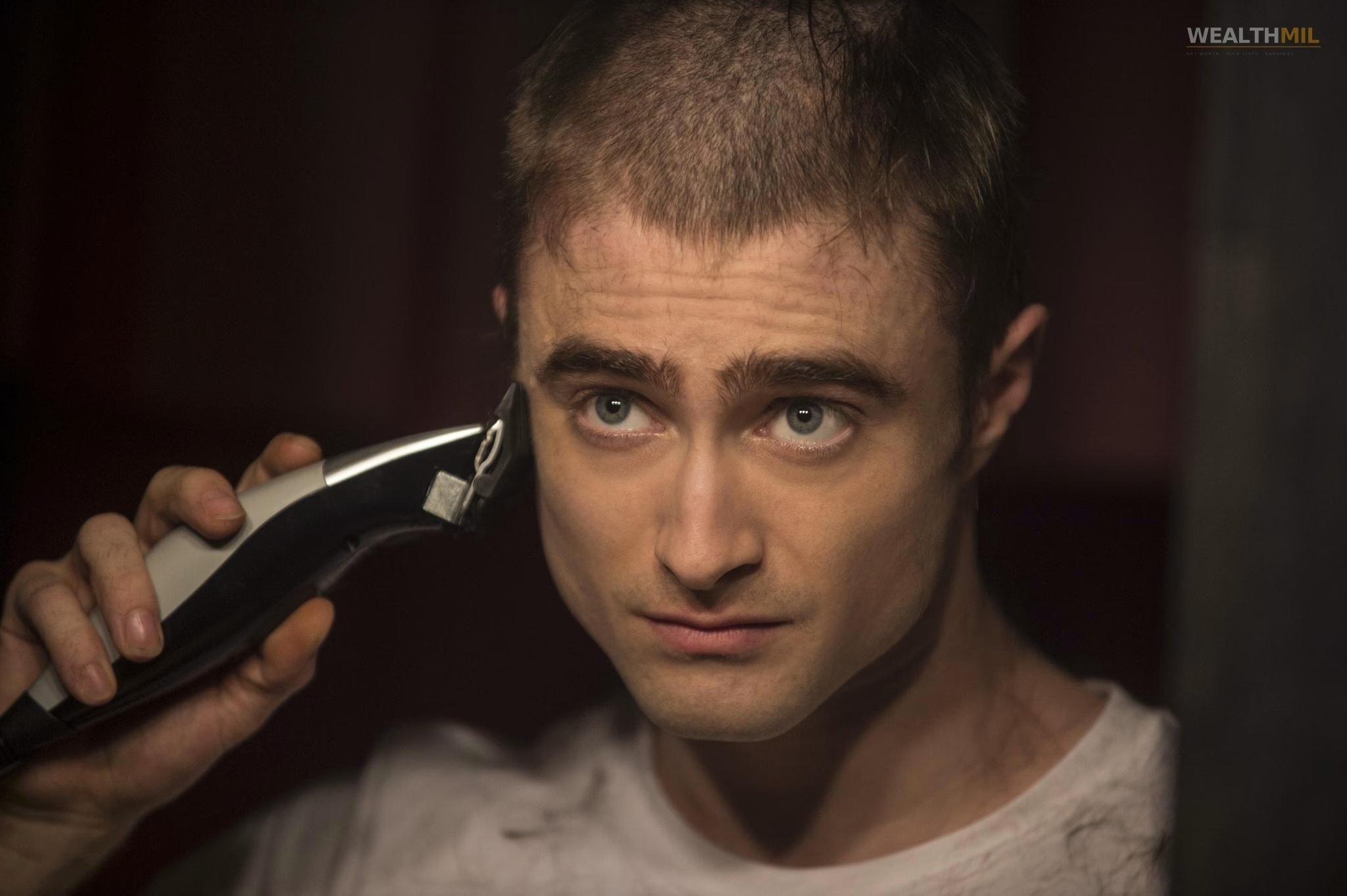
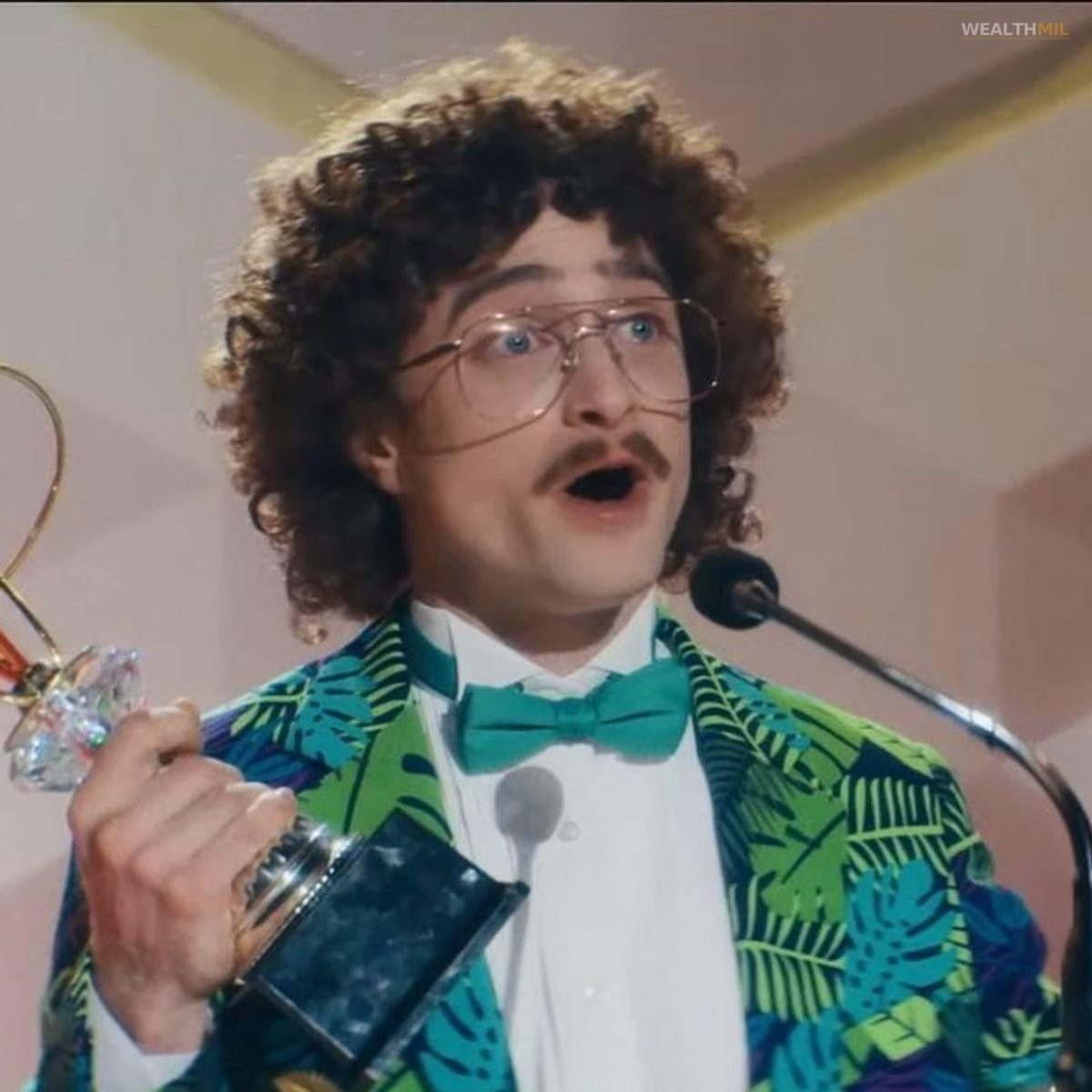
One of Daniel Radcliffe’s most praised modern performances came through Weird: The Al Yankovic Story. The satirical biopic allowed him to combine comedy, musical performance, and absurdist storytelling in a way that perfectly matched the unconventional direction of his career.
Critics and audiences responded positively because Radcliffe fully committed to the exaggerated humor of the film. His performance earned major award attention, including an Emmy nomination and a Critics Choice Television Award win.
The casting itself reflected how much Hollywood’s perception of him had changed. Earlier in his career, many audiences primarily saw him as Harry Potter. By the time Weird released, viewers had already accepted him as an actor willing to embrace eccentric and experimental projects.
Interestingly, Radcliffe himself explained that his casting partly connected to a comedic musical performance he gave years earlier on The Graham Norton Show. According to Entertainment Weekly, Weird Al Yankovic believed Radcliffe understood the comedic tone necessary for the role.
The project also demonstrated his continued interest in avoiding predictability. Instead of attempting to become a traditional action star or romantic lead, Radcliffe leaned further into weird, self-aware comedy and character-driven storytelling.
That consistency strengthened his personal brand. Audiences now associate him with creative unpredictability, which ironically became one of the most stable aspects of his career identity.
Daniel Radcliffe Benefited From Prioritizing Creative Freedom Over Image Control
One reason Daniel Radcliffe’s career remained respected for so long is that he avoided obsessively protecting a polished celebrity image. Many actors become trapped trying to maintain marketable personas after achieving major fame. Radcliffe instead embraced vulnerability, weirdness, and experimentation.
In interviews, he often spoke openly about the overwhelming nature of early fame and the pressures that came with growing up in the public eye. Rather than pretending his experience was perfect, he discussed the emotional complexity of becoming globally famous as a child.
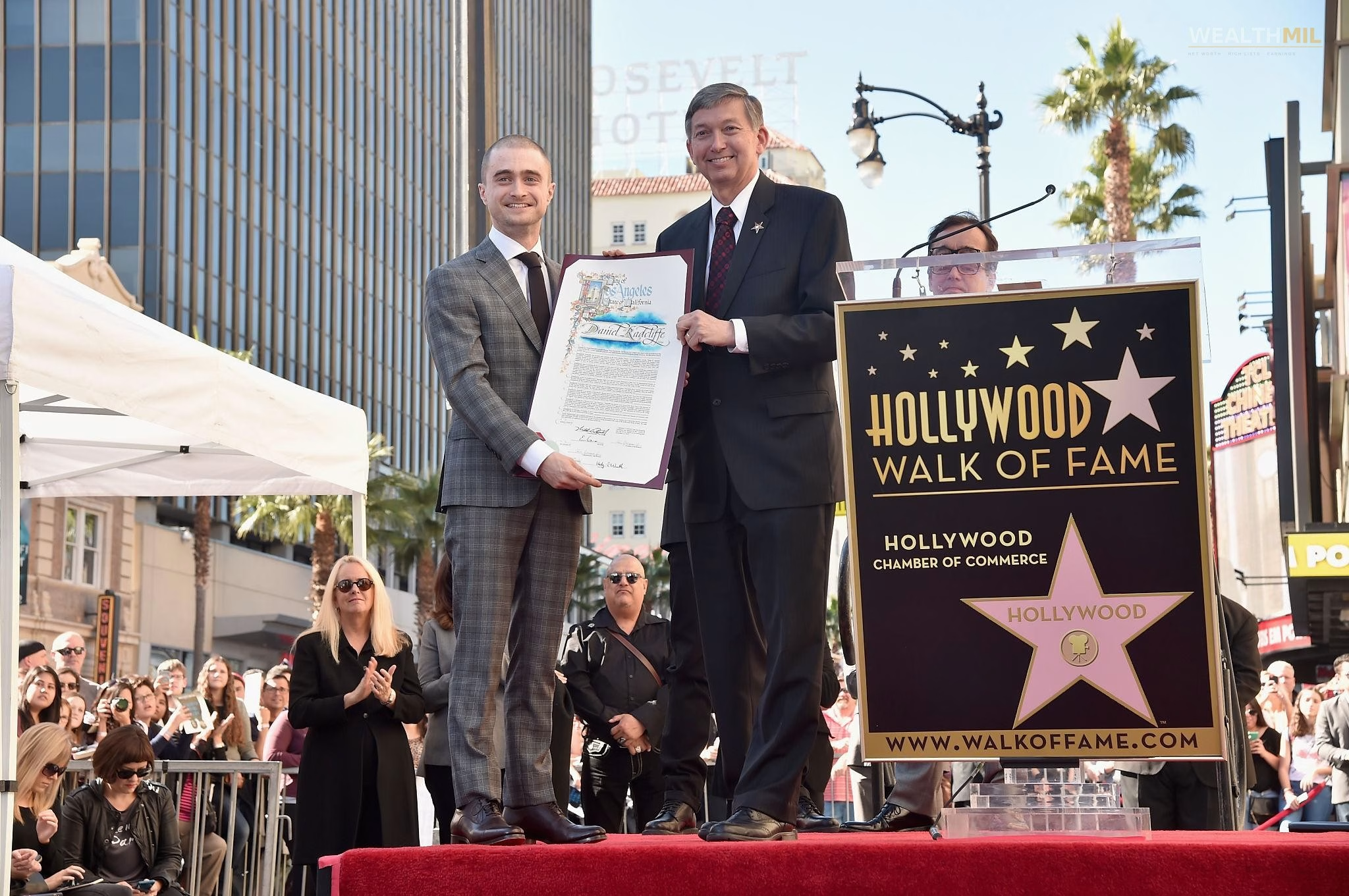
That honesty helped audiences connect with him beyond nostalgia for Harry Potter. He appeared grounded, self-aware, and genuinely passionate about acting itself rather than celebrity culture. This authenticity strengthened his reputation within the entertainment industry.
He also consistently surrounded himself with challenging material. Films like Kill Your Darlings and Swiss Army Man were not obvious commercial hits, but they allowed him to explore emotionally complicated characters. Those performances expanded how directors and critics viewed his capabilities.
Creative freedom became easier because of the wealth he already possessed. As Radcliffe himself explained, early financial success removed some of the pressure to constantly chase giant paydays. (vogue.com)
This freedom ultimately became one of his greatest advantages. It allowed him to slowly build one of Hollywood’s most distinctive post-franchise careers without appearing desperate to recreate the scale of Harry Potter.
Why His Post-Harry Potter Career Is Now Considered a Success Story
Hollywood history is filled with actors who struggled to escape iconic franchise roles. Daniel Radcliffe managed to avoid that outcome largely because he refused to compete directly with his own past success.
Instead of trying to find “the next Harry Potter,” he focused on becoming a versatile actor across multiple genres and mediums. Theater, indie films, television, comedy, thrillers, and experimental projects all became part of his reinvention strategy.
Over time, audiences stopped asking whether he could survive outside Harry Potter. The conversation shifted toward admiration for how unusual and fearless his choices became. That transition did not happen immediately, but consistency eventually changed public perception.
His career also benefited from patience. Radcliffe did not attempt to force instant reinvention through one giant blockbuster role. He gradually built credibility project by project, performance by performance, over many years.
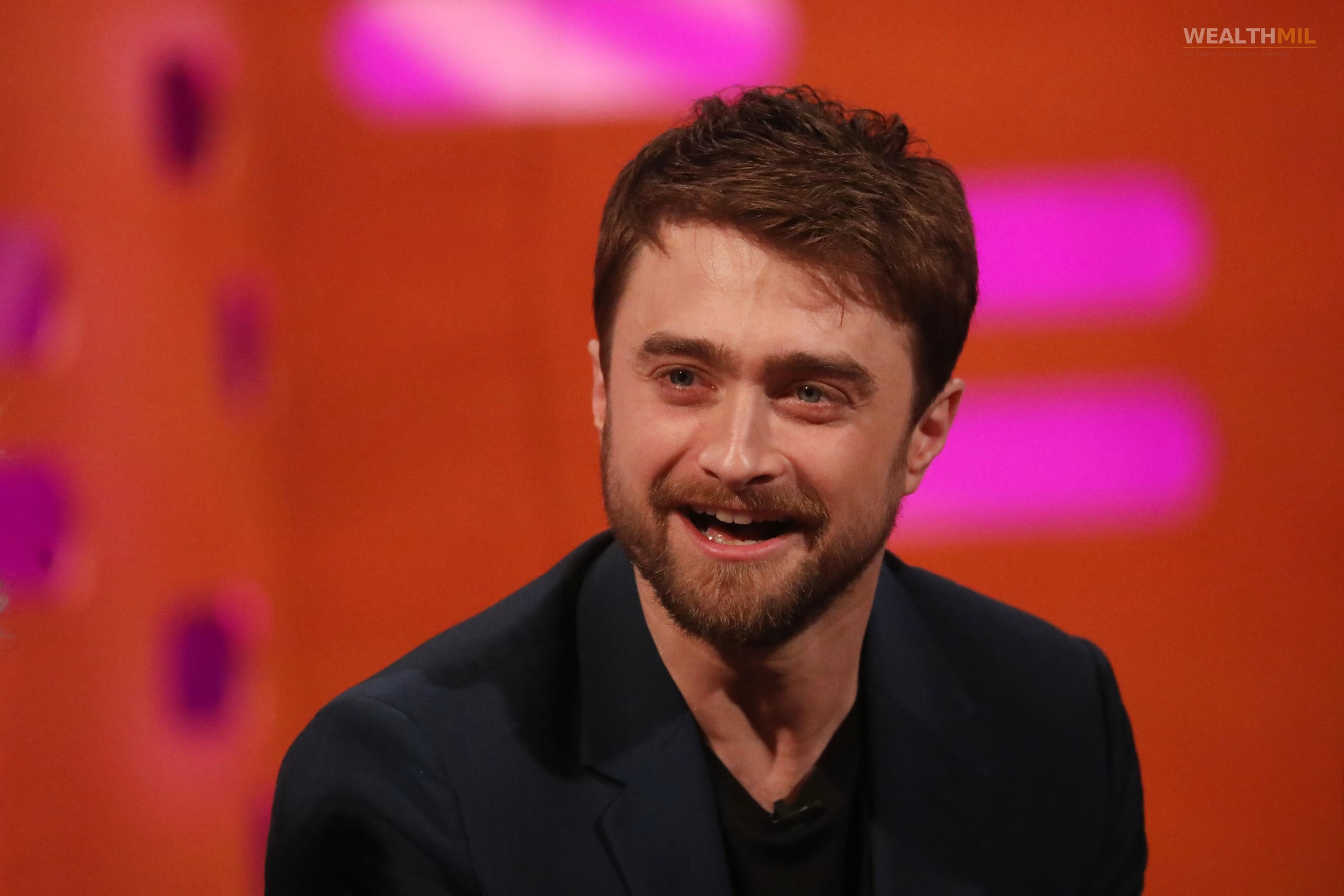
Winning major theater awards and receiving acclaim for eccentric performances proved that he had evolved into something far more interesting than simply a former child star. He became an actor respected for artistic curiosity and creative bravery.
Daniel Radcliffe’s 2026 net worth reflects more than the success of one franchise. It represents years of disciplined financial management, thoughtful career decisions, and a willingness to prioritize artistic growth over easy commercial repetition. That combination helped him build one of Hollywood’s strongest post-franchise success stories.
Another reason Daniel Radcliffe’s career continues to stand out is his ability to remain relevant without chasing constant visibility. He does not rely on frequent blockbuster releases or media overexposure to stay in the spotlight. Instead, he carefully selects projects that add value to his filmography and challenge him as a performer.
This selective approach keeps audiences curious about his next move while maintaining a sense of authenticity. It also prevents burnout, both creatively and professionally, allowing him to sustain a long-term career. That balance between presence and restraint has become a key factor in preserving both his reputation and his financial success.