

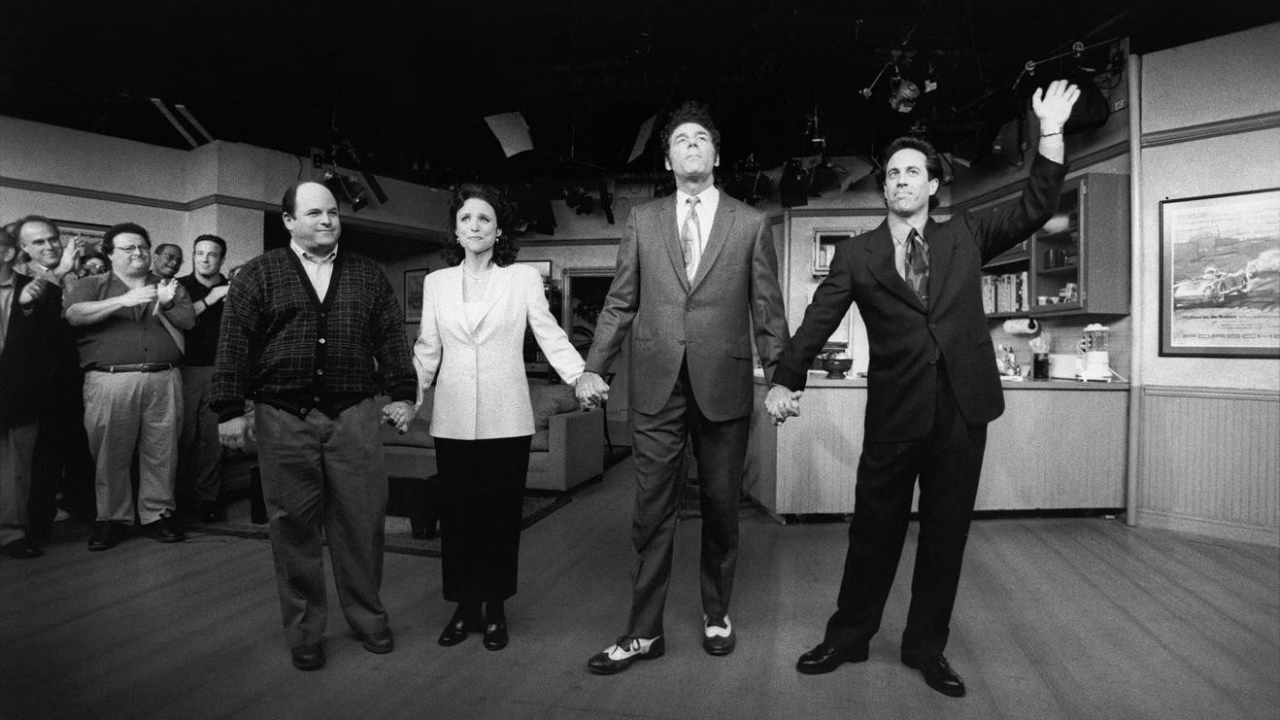
Seinfeld became one of television’s most successful sitcoms, turning Jerry Seinfeld, Julia Louis-Dreyfus, Jason Alexander, and Michael Richards into household names. Yet the comedy ended in 1998 after nine seasons, even though NBC desperately wanted it to continue. The decision came down to Jerry Seinfeld, who declined an extraordinary offer to make another season despite the network’s willingness to pay a record-breaking salary.
According to accounts from people involved in the negotiations, NBC offered Seinfeld $5 million per episode for a potential tenth season consisting of 22 episodes. That would have earned him $110 million for one more season, an unprecedented sum for a television performer at the time. However, Seinfeld ultimately chose to end the series while it remained a cultural phenomenon rather than risk extending it beyond its natural conclusion.
The decision reportedly stunned NBC executives, including General Electric CEO Jack Welch, whose company owned the network. The story remains a striking example of a creator prioritizing creative judgment and personal freedom over an enormous financial opportunity.
NBC OFFERED JERRY SEINFELD $110 MILLION FOR ANOTHER SEASON
Seinfeld’s salary had increased dramatically as the sitcom grew in popularity. He reportedly earned $20,000 per episode during the first season, eventually reaching $500,000 per episode in seasons seven and eight. By the ninth season, his pay had risen to $1 million per episode.
NBC was determined to keep its hit sitcom on the air. According to the account, Welch and NBC president Bob Wright met Seinfeld and his managers, George Shapiro and Howard West, for a high-profile breakfast meeting in 1997. During the meeting, Welch reportedly presented an offer of $5 million per episode for 22 additional episodes.
Former NBC Entertainment president Warren Littlefield later described the proposal as extraordinary, recalling that the network had offered a sum executives believed would be impossible to refuse. However, Seinfeld ultimately declined, making the decision a matter of personal priorities rather than salary negotiations.
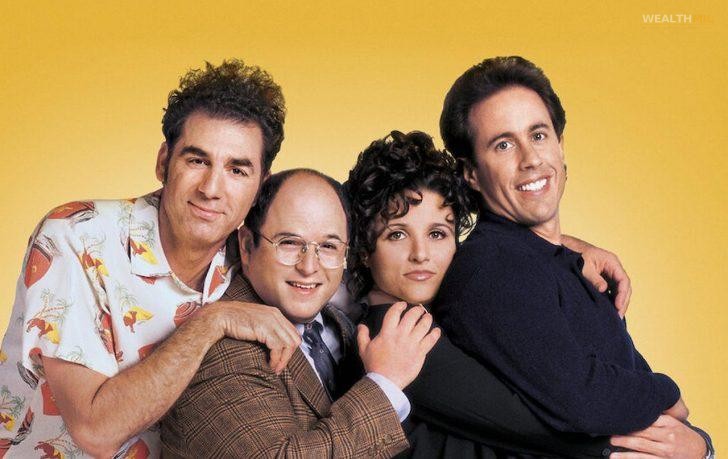
WHY SEINFELD CHOSE TO END THE SHOW AT ITS PEAK
According to the Television Academy’s retrospective on the sitcom, Seinfeld was concerned about continuing the show after its creative high point. He later compared the decision to knowing when to leave the stage after a successful comedy performance.
Seinfeld reportedly took a walk through Central Park with Shapiro and West after the meeting. They stopped at a bench near 81st Street and Central Park West, a location that held personal significance for the comedian. He had previously told his father there about his ambition to become a stand-up comedian.
Rather than accept NBC’s offer, Seinfeld decided to finish the sitcom after its ninth season. The network announced the decision in December 1997, and the series finale aired on May 14, 1998. The episode attracted approximately 76 million viewers, making it one of the most-watched television finales in US history.
Years later, Seinfeld explained his decision in an interview with The New York Times Magazine, saying, “It was the perfect moment.” He also described proportion as essential to art, explaining that knowing how long a joke or a show should continue can determine whether it remains effective.
HOW SEINFELD CONTINUED MAKING MONEY WITHOUT A 10TH SEASON
Seinfeld could afford to turn down the offer partly because his income was not limited to acting salaries. He and co-creator Larry David held profit participation in the sitcom, allowing them to benefit from syndication and other deals involving the show’s existing episodes.
The series continued generating substantial revenue through reruns and distribution agreements long after its finale. Hulu reportedly paid between $130 million and $180 million for streaming rights in 2015, while Netflix later secured global streaming rights in a deal reported to exceed $500 million.
Ultimately, Seinfeld gave up the opportunity to earn $110 million from another season but preserved the ending he wanted. The sitcom’s lasting popularity and continuing commercial value show why his decision remains one of television’s most memorable examples of choosing creative timing over a record-breaking paycheck.