
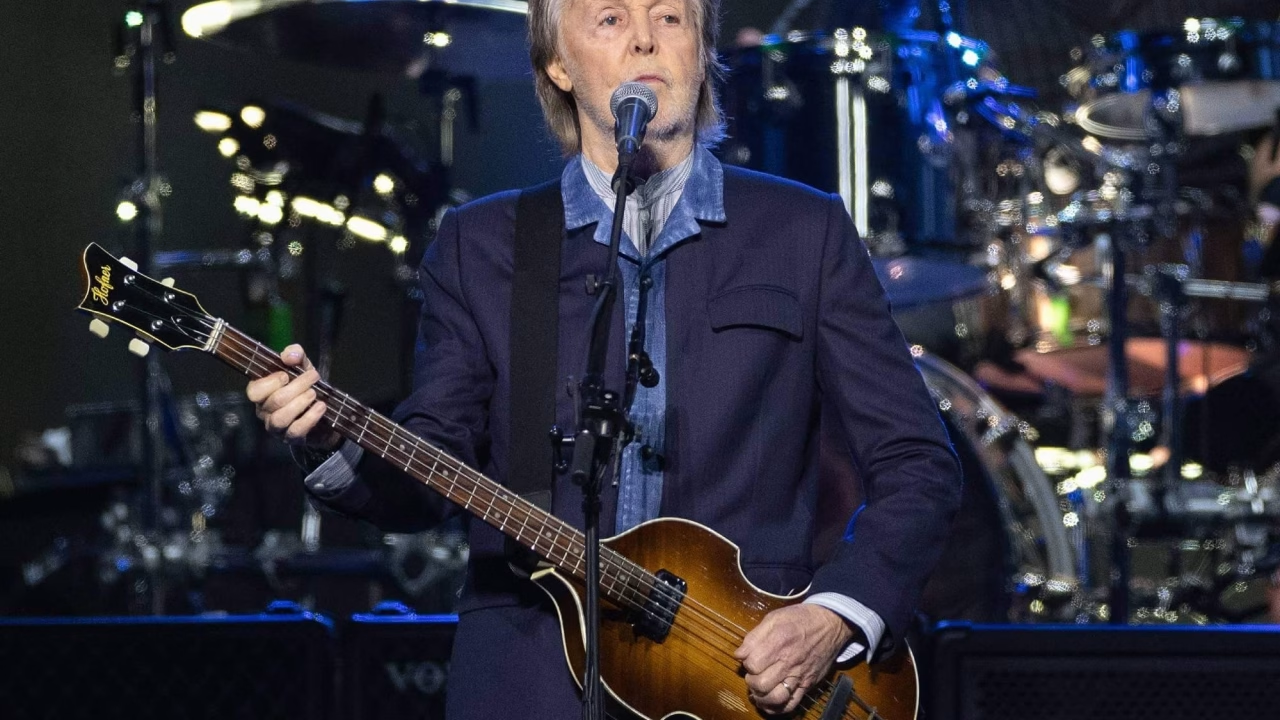
Few artists in modern history have shaped music, culture, and the business of entertainment quite like Paul McCartney. As a core member of The Beatles, McCartney helped redefine what popular music could be, pushing creative boundaries while dominating global charts throughout the 1960s. His work alongside John Lennon produced some of the most influential songs ever recorded, laying the foundation for modern pop and rock songwriting.
Yet McCartney’s story is not just about artistic impact. It is also one of the most successful financial journeys in entertainment history. According to estimates reported by major outlets like Forbes and Celebrity Net Worth, Paul McCartney’s net worth has surpassed $1.2 billion, making him one of the richest musicians in the world. This wealth reflects decades of songwriting royalties, touring revenue, publishing rights, and business ventures that continued long after The Beatles disbanded.
What makes McCartney’s success particularly compelling is how it combines creative innovation with long-term financial strategy. His career proves that musical influence and economic power can go hand in hand when artists maintain control over their work and continue evolving across generations.
Paul McCartney’s net worth in 2026 and how he built a billion-dollar fortune
As of 2026, Paul McCartney’s estimated net worth is widely reported to be over $1.2 billion. Forbes has consistently included him on its lists of the world’s wealthiest musicians, with his fortune growing steadily through ongoing royalties and touring income. This level of wealth places him in an elite category of artists whose financial success extends far beyond traditional album sales.
A significant portion of McCartney’s fortune comes from his songwriting catalog, particularly his work with John Lennon during The Beatles era. Songs credited to the Lennon-McCartney partnership continue generating revenue through streaming, radio play, licensing, and covers. Decades after their release, tracks like “Hey Jude,” “Let It Be,” and “Yesterday” remain commercially valuable assets.
Another major contributor is touring. Even in his later years, McCartney’s live performances generate tens of millions of dollars per tour. His global concerts consistently sell out large venues, demonstrating how enduring fan demand can translate into sustained revenue. According to Pollstar and Billboard reports, his tours often rank among the highest-grossing worldwide.
Beyond music, McCartney has benefited from publishing rights, merchandise, and strategic investments. His involvement in MPL Communications, his publishing company, has given him control over an extensive catalog of music rights, including songs beyond his own work. This level of ownership has been critical in building long-term wealth.
How The Beatles transformed music and created a financial empire
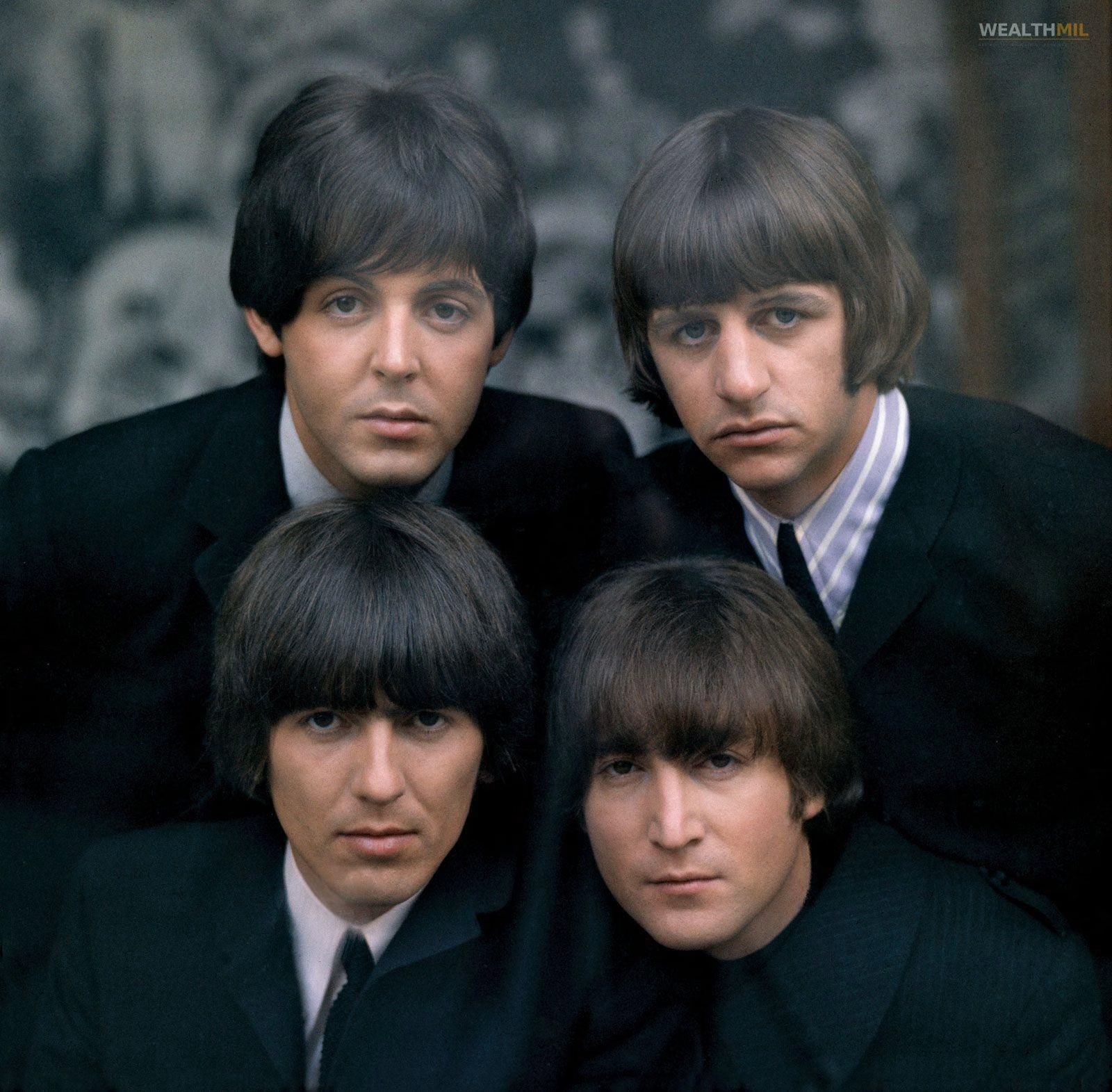
To understand McCartney’s wealth, it is essential to examine the impact of The Beatles. Formed in Liverpool in the early 1960s, the band quickly became a global phenomenon. Alongside McCartney and Lennon, members George Harrison and Ringo Starr helped create a sound that revolutionized pop music.
The Beatles were not just commercially successful. They fundamentally changed how music was written, recorded, and marketed. Albums like Sgt. Pepper’s Lonely Hearts Club Band pushed the concept of the album as a cohesive artistic statement rather than just a collection of songs. Their experimentation with studio techniques influenced generations of musicians.
Financially, The Beatles created a blueprint for global music monetization. Their records sold in the hundreds of millions, and their cultural impact drove merchandising, film projects, and worldwide touring. Even after their breakup in 1970, the band’s catalog continued generating enormous revenue.
For McCartney, being part of The Beatles meant ownership in one of the most valuable music catalogs in history. The long-term royalties from that catalog remain a central pillar of his net worth today. This demonstrates how early creative success, when combined with rights management, can produce lifetime financial returns.
The Lennon-McCartney partnership and its lasting financial power
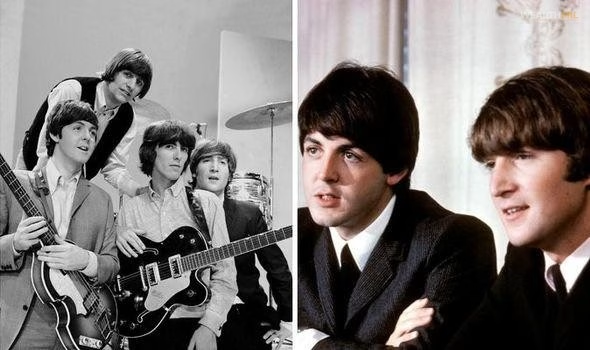
The songwriting partnership between Paul McCartney and John Lennon is widely regarded as one of the greatest in music history. Together, they wrote a vast catalog of songs that continue to define popular music decades later. Their collaboration produced hits that span multiple styles, from rock and pop to ballads and experimental tracks.
From a financial perspective, the partnership created a continuous stream of royalties that has lasted for generations. Songs like “Yesterday” alone have been covered thousands of times, generating licensing income across film, television, and live performances. Each use of these compositions contributes to ongoing earnings.
What makes this partnership particularly valuable is its consistency. Unlike artists who rely on a few major hits, Lennon and McCartney produced a large volume of successful songs. This breadth of catalog ensures diversified revenue streams, reducing dependence on any single track.
Even today, their music is regularly used in commercials, films, and streaming playlists. The timeless appeal of their songwriting ensures that new audiences continue discovering their work. This sustained relevance is a major reason why McCartney’s wealth continues to grow long after the original recordings were released.
Paul McCartney’s solo career and Wings expanded his legacy
After The Beatles disbanded in 1970, many wondered whether McCartney could sustain his success as a solo artist. He quickly answered that question by launching a highly successful solo career and forming the band Wings.
Wings became one of the most commercially successful bands of the 1970s. Albums like Band on the Run produced major hits and reinforced McCartney’s ability to lead a successful project outside The Beatles. The band’s tours also generated substantial revenue, establishing McCartney as a major live performer.
His solo work further expanded his catalog. Songs such as “Maybe I’m Amazed” and “Live and Let Die” became enduring hits. These tracks continue to generate royalties, contributing to his long-term financial stability.
The success of his post-Beatles career ensured that McCartney’s wealth did not rely solely on his earlier work. Instead, he built multiple revenue streams across different phases of his career. This diversification played a key role in maintaining and growing his net worth over time.
Touring became a major driver of McCartney’s wealth
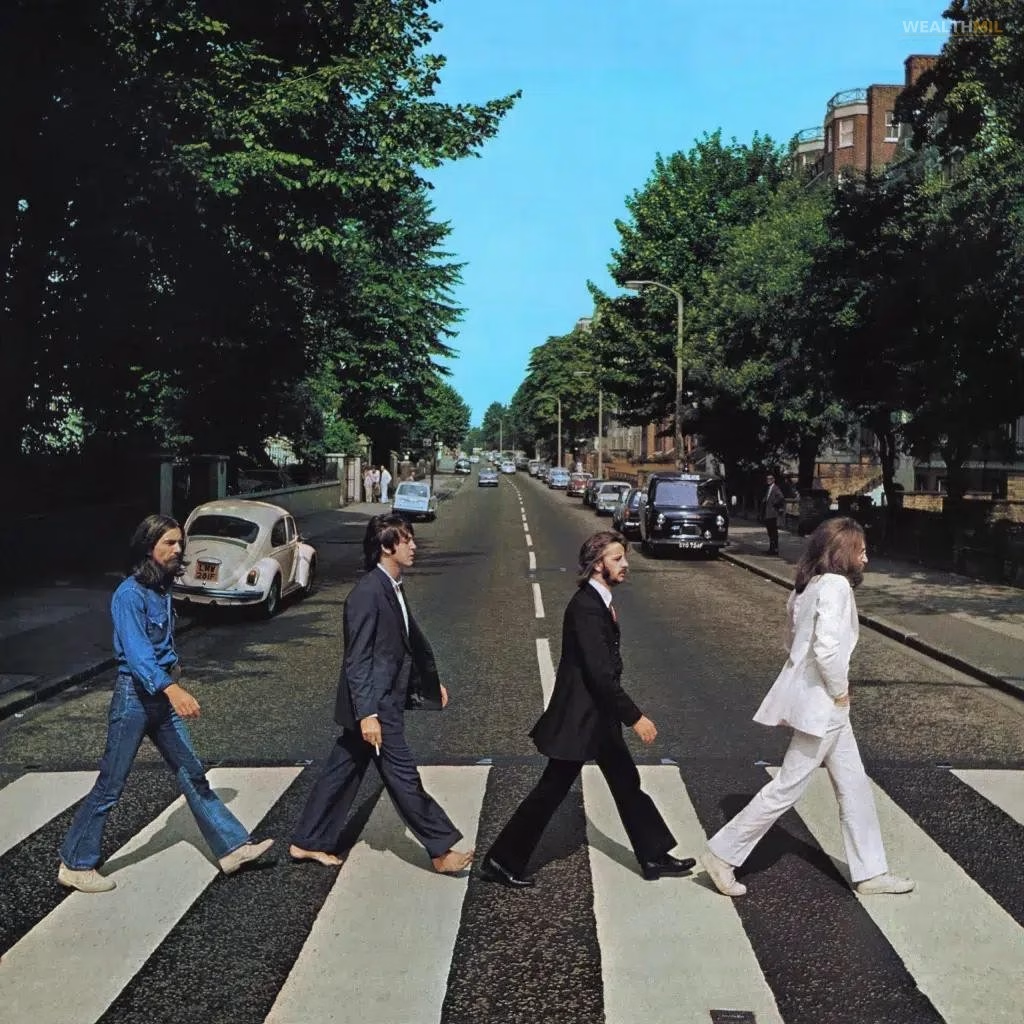
One of the most important factors behind Paul McCartney’s financial success is his commitment to touring. Unlike many artists who slow down after achieving legendary status, McCartney has continued performing extensively around the world. His concerts consistently attract large audiences and generate significant revenue.
Modern concert economics favor established artists with global recognition. Ticket prices, VIP packages, and merchandise sales contribute to earnings. McCartney’s shows often feature classic Beatles songs alongside his solo hits, making them highly appealing to fans of all ages.
According to industry reports from Pollstar, McCartney’s tours frequently rank among the highest-grossing tours globally. Some tours have earned hundreds of millions of dollars, demonstrating the financial power of legacy artists with enduring appeal.
Touring also reinforces his brand. Live performances keep him visible in the public eye, ensuring that his music remains culturally relevant. This visibility supports other revenue streams, including streaming and licensing, creating a cycle of sustained financial growth.
Music publishing and MPL Communications played a crucial role
Another key element of McCartney’s wealth is his involvement in music publishing. Through his company MPL Communications, he owns the rights to a vast catalog of songs, including works by other artists. This strategic investment has provided a steady stream of income over decades.
Publishing rights are one of the most valuable assets in the music industry. Every time a song is played on the radio, streamed online, or used in a film, the rights holder earns royalties. By owning these rights, McCartney benefits not only from his own music but also from the work of other artists.
This approach reflects a deep understanding of the business side of music. While many artists focus primarily on performance, McCartney recognized early on the importance of ownership. His investments in publishing have significantly amplified his wealth.
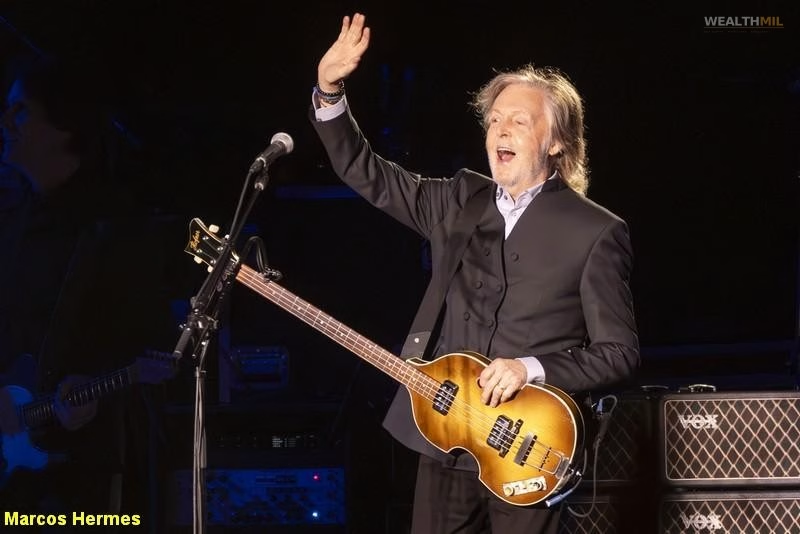
The value of music catalogs has increased dramatically in recent years, with major companies investing billions in acquiring rights. McCartney’s long-standing ownership positions him advantageously within this evolving market. It ensures that his earnings remain strong even as the industry continues to change.
Business ventures and smart financial decisions
Beyond music, Paul McCartney has engaged in various business ventures that have contributed to his wealth. These include investments in real estate, collaborations with brands, and involvement in film and media projects. While music remains his primary source of income, these additional ventures provide diversification.
Real estate, in particular, has been a significant asset class for McCartney. Reports indicate that he owns properties in the United Kingdom, the United States, and other locations. These investments not only add to his net worth but also provide long-term financial security.
McCartney has also been selective with endorsements and partnerships. Unlike some celebrities who pursue numerous deals, he has maintained a controlled public image. This approach helps preserve his brand value and ensures that his name remains associated with quality and legacy.
Another important factor is longevity. McCartney has managed his career in a way that avoids major financial setbacks. By maintaining steady income streams and making strategic investments, he has built a resilient financial portfolio.
Why Paul McCartney remains culturally and financially relevant
Even decades after The Beatles’ peak, Paul McCartney remains a major cultural figure. His influence can be seen in contemporary music, where artists continue drawing inspiration from his songwriting and production techniques. This ongoing relevance contributes to his financial success.
Streaming platforms have introduced his music to younger audiences. Songs that were originally released in the 1960s are now being discovered by new listeners, generating additional revenue. This cross-generational appeal is a rare and valuable asset.
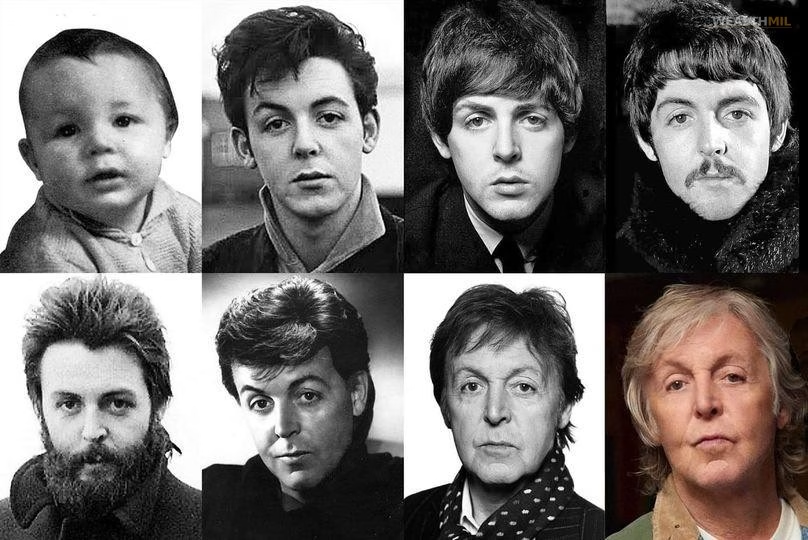
McCartney also continues to release new music and collaborate with modern artists. These projects help bridge the gap between different eras of music, ensuring that his work remains part of current cultural conversations.
His public appearances, interviews, and performances further reinforce his legacy. As a result, he remains not only a historical figure but also an active participant in the modern music terrain. This sustained visibility supports his ongoing earnings.
The lasting impact of The Beatles on McCartney’s wealth
The Beatles’ influence extends far beyond their original recordings. Their music continues to be reissued, remastered, and celebrated through documentaries, special editions, and anniversary releases. Each of these projects generates additional revenue.
For McCartney, this means that his association with The Beatles remains a powerful financial asset. The band’s brand continues to attract global attention, driving sales and streaming numbers. Even decades after their breakup, The Beatles remain one of the most valuable names in music.
The continued success of Beatles-related projects highlights the importance of legacy in the entertainment industry. Artists who create timeless work can benefit financially for generations. McCartney’s career is a prime example of this principle.
This enduring value also underscores the importance of ownership and rights management. By maintaining control over his work and participating in key business decisions, McCartney has ensured that he continues to benefit from The Beatles’ success.
Even today, Paul McCartney continues to benefit from the evolving digital music terrain, where streaming platforms, social media, and global distribution have expanded the reach of classic catalogs like never before. Songs originally released decades ago now generate millions of streams annually, introducing his work to entirely new generations of listeners.
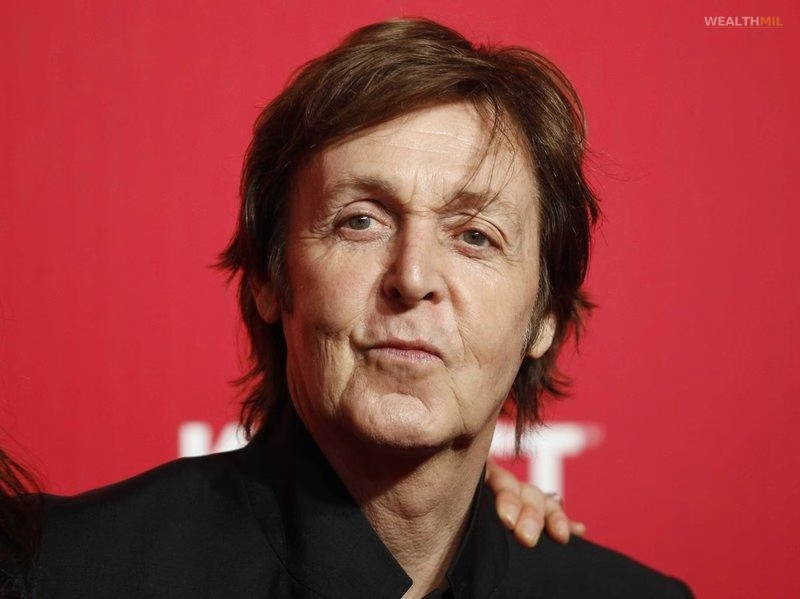
This ongoing discovery keeps his music commercially active while reinforcing its cultural significance. It also highlights how timeless songwriting can outperform short-term trends in the long run. As the music industry continues shifting toward digital consumption, McCartney’s catalog remains one of its most valuable and consistently performing assets.
Paul McCartney’s net worth is not just a reflection of fame. It represents decades of creative innovation, strategic decision-making, and sustained relevance in an ever-changing industry. From his groundbreaking work with The Beatles to his successful solo career and business ventures, McCartney has built one of the most impressive financial legacies in music history.
His estimated $1.2 billion fortune highlights the power of combining artistic talent with business acumen. By maintaining ownership of his work, continuing to perform, and investing wisely, he has transformed his musical legacy into lasting wealth.
More importantly, McCartney’s story demonstrates that true influence goes beyond charts and awards. His contributions have shaped modern music, inspired countless artists, and created a catalog that continues to resonate with audiences worldwide.
In the end, Paul McCartney’s wealth is simply a byproduct of something much larger. It reflects a lifetime of impact on music, culture, and the global entertainment industry.