
Kevin Durant’s decision to leave the Oklahoma City Thunder for the Golden State Warriors in 2016 remains one of the most controversial free-agent moves in NBA history. The Thunder could offer Durant a significantly larger long-term contract because of his Bird Rights, while the Warriors were limited to a shorter deal. Yet Durant chose a two-year contract worth around $54.3 million and joined the team that had eliminated Oklahoma City in the Western Conference Finals.
On the basketball court, the move delivered immediate results. Durant won two NBA championships and two NBA Finals MVP awards during his three seasons with Golden State. But the financial story behind his move has gained renewed attention because his relocation to the Bay Area also brought him closer to the technology industry and some of the most influential investors in Silicon Valley.
Celebrity Net Worth recently examined how Durant potentially sacrificed close to $100 million in long-term guaranteed contract value when he left Oklahoma City. The move, however, may have opened doors that helped him build a business portfolio worth far more than the salary difference.
Kevin Durant’s Warriors Move Became a Major Business Opportunity
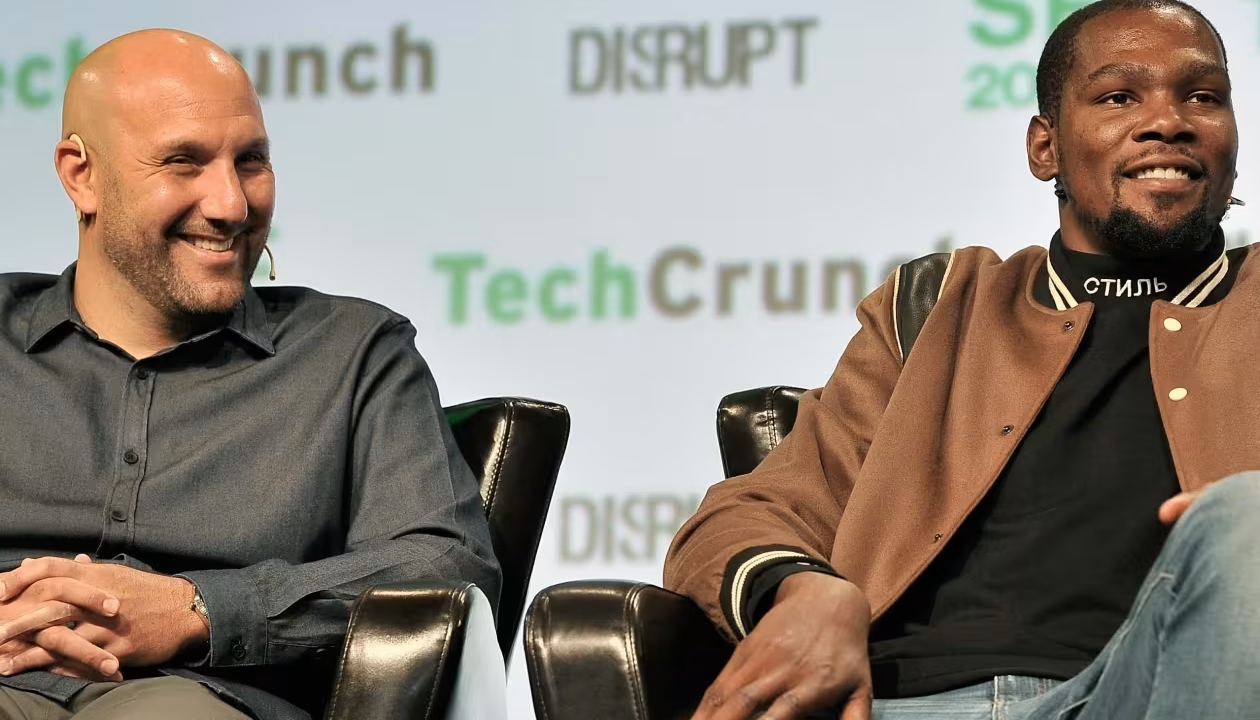
Before joining Golden State, Durant had already started exploring investments alongside his longtime business partner Rich Kleiman. However, moving to the Bay Area dramatically expanded their access to founders, startups and venture capitalists. According to TechCrunch, Durant and Kleiman discussed that advantage during TechCrunch Disrupt SF in 2017.
The pair explained that simply living in Silicon Valley changed the type of opportunities they encountered.
“We’d never have been introduced to a drone startup in Oklahoma City,”
they joked during the TechCrunch interview.
Durant also explained that living in the Bay Area placed him directly inside the technology ecosystem. Golden State Warriors games became networking opportunities, with investors, executives and startup founders regularly attending. Those connections helped Durant and Kleiman expand their investment activity through their business operation, which later became Thirty Five Ventures.
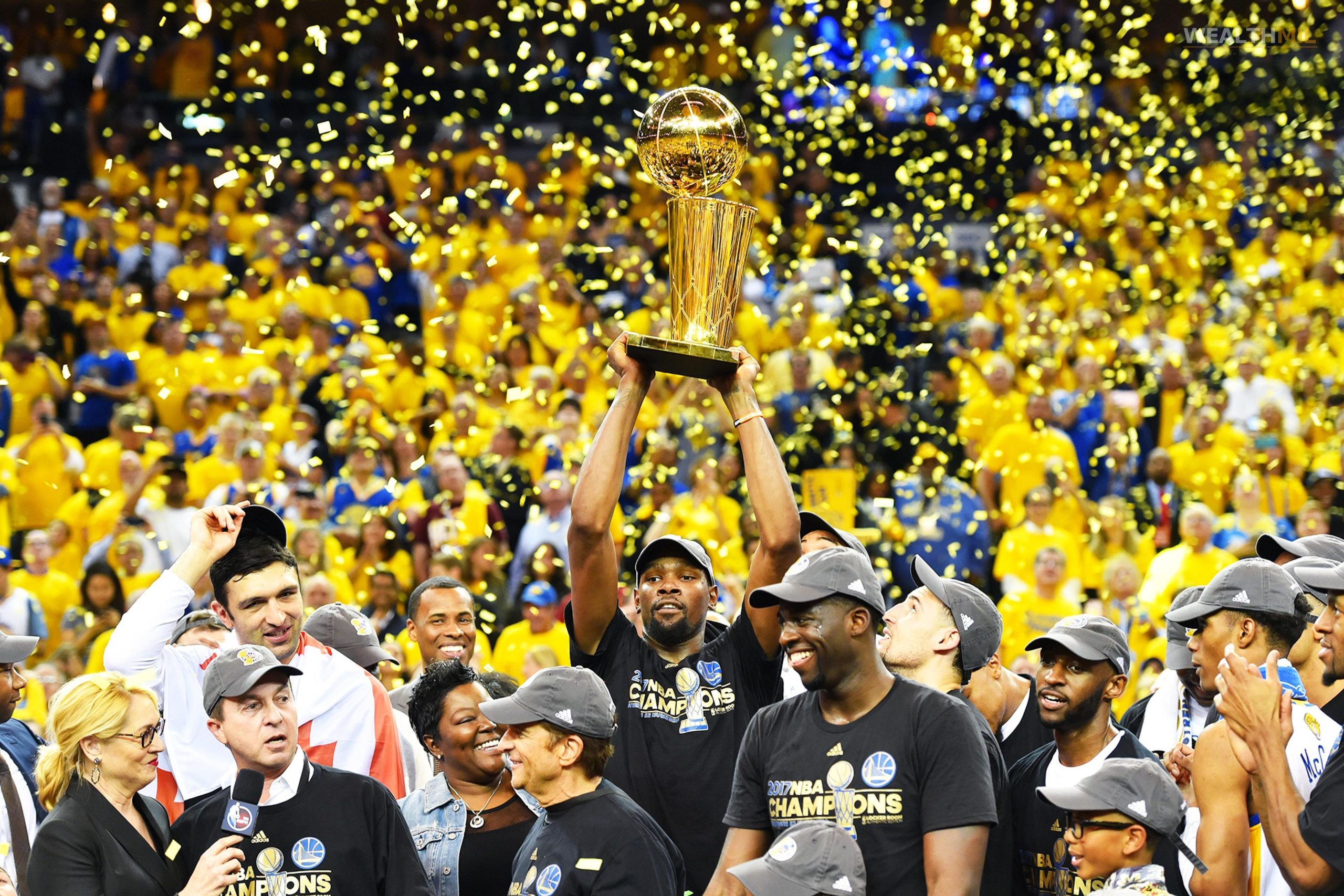
The business opportunity came alongside significant success on the court. Durant joined a Warriors roster featuring Stephen Curry, Klay Thompson and Draymond Green, and Golden State reached three consecutive NBA Finals during his time with the team. While winning championships was undoubtedly an important factor in his decision, the Bay Area’s business environment offered a benefit that went far beyond basketball.
Durant later accepted additional salary discounts to help Golden State retain key players. NBA.com reported in 2017 that Durant took less money after his first Warriors championship, helping the team maintain its roster. He also signed another short-term deal in 2018 that paid him below the maximum amount available, according to NBA.com.
Those decisions meant Durant left potential salary behind, but his investments increasingly showed the possible long-term value of the relationships and opportunities he gained in Silicon Valley. Thirty Five Ventures has backed companies across technology, finance, health and media, while Durant has become one of the most prominent athlete investors of his generation.
Among the investments linked to Durant and his business operation are Postmates, Whoop and Hugging Face. His early stake in Postmates reportedly produced a major return after Uber acquired the delivery company in 2020. His investment in Whoop has also become increasingly valuable as the wearable technology company has grown into a multibillion-dollar business.
Durant’s Hugging Face investment has received even more attention following reports that Nvidia agreed to acquire the AI company for $12.9 billion. Barron’s reported that Durant’s early $250,000 investment could be worth more than $60 million, demonstrating how a relatively small startup bet can produce enormous returns.
That does not mean every investment will succeed, and the exact value of private holdings can change before an exit or sale. Still, Durant’s journey shows why his Warriors move can now be viewed through a much broader lens. By leaving Oklahoma City, he may have sacrificed immediate NBA salary, but he also placed himself in an environment that gave him access to a network capable of transforming his future business career.